
Knowing what to do immediately after a storm can save your life, protect your property, and speed up recovery. Whether you survived a hurricane, a severe storm, or a natural disaster with flooding, the steps you take in the first hours matter most.
Key Takeaways
- Prioritize personal safety after a storm by staying indoors until local authorities declare it safe, and stay away from downed power lines, damaged buildings, and standing water.
- Use generators outdoors only, at least 20 feet from windows, to prevent carbon monoxide poisoning.
- Document damage with photos and videos immediately after a storm, then contact your insurance company promptly to start the claims process.
- Make only temporary repairs to prevent further damage while waiting for an insurance adjuster to review everything.
- Check on neighbors and protect your emotional health, especially for children, older adults, and people with disabilities.
Immediately After the Storm Passes
The storm may not be fully over. Secondary cells, lightning, and subsequent flooding can develop within 30–60 minutes. Safety decisions in this window are critical.
Stay indoors until local officials from police, the fire department, or emergency management announce it is safe. Scan the area from a window for fallen power lines, snapped trees, or floating debris. If flooding occurs, turn off electricity at the main fuse box only if you can reach the circuit breaker safely without standing in water. Shut off utilities if there is a risk of gas leaks. If you smell gas or hear unusual noises like hissing from gas lines, leave the area immediately and avoid lit candles. Use battery-powered flashlights instead.
Stay Informed and Watch for Hidden Hazards
Stay updated through local news, NOAA weather radio, and government websites for road closures, boil-water advisories, and curfews. Check aspx government websites from your city or county for shelter locations.
- Stay at least 35 feet from downed power lines, dangling power lines, or underground power lines that may be exposed. Never touch them or anything in contact with them. Call 911 or the power company to report them.
- Puddles, wet grass, and metal fences near fallen power lines can be electrically charged. Keep children and pets away.
- Check for gas leaks by detecting sulfur or rotten-egg smells. If you smell gas, leave and call the gas company or fire department from a safe location.
- Watch for wild or stray animals displaced by the storm, as many animals become disoriented and may be aggressive. Stray animals can carry disease or bite.
Returning Home Safely
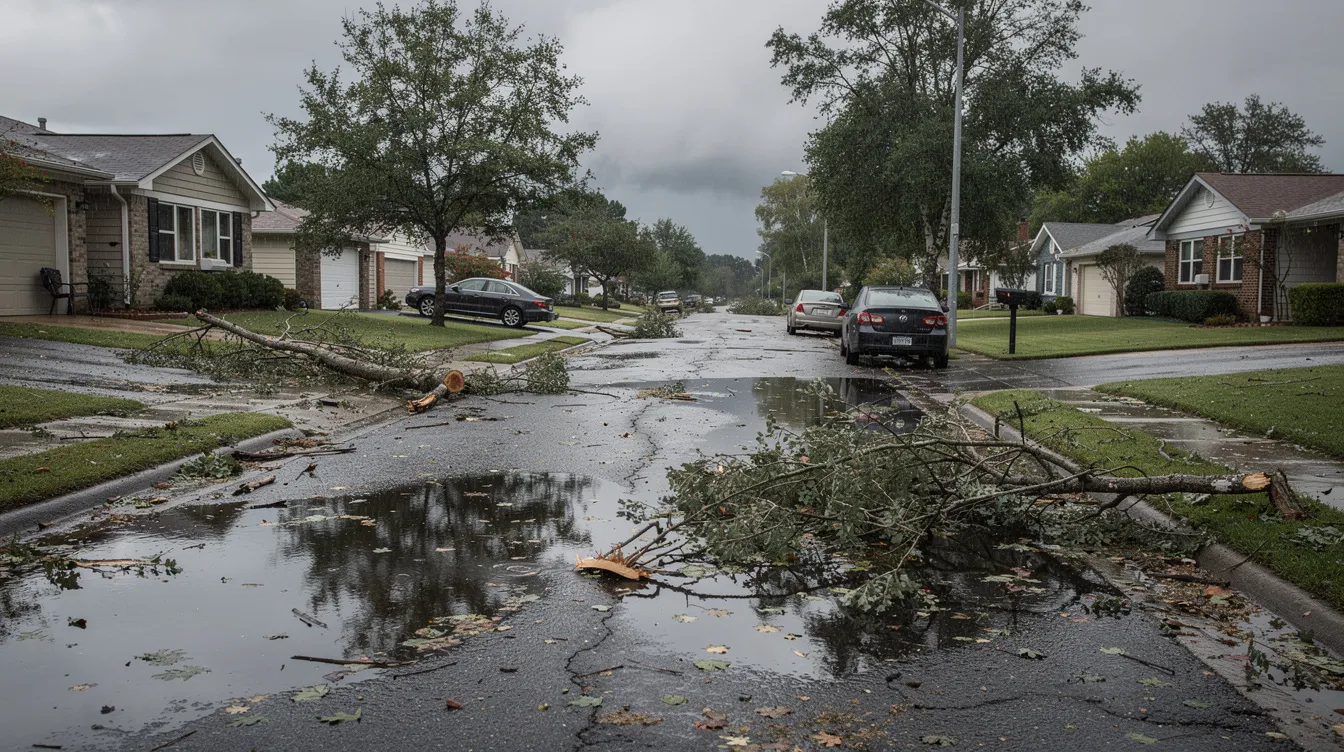
Wait for local authorities to authorize reentry. Drive with extreme caution, watching for flooded roads, washed out bridges, and missing manhole covers. Avoid flooded roads entirely, since six inches of flowing water can knock a person off their feet.
Before entering, do an exterior check: look for sagging roofs, leaning walls, broken windows, and structural damage. Use binoculars to check for subtle roof damage. Check for hazards such as gas leaks or downed power lines before entering buildings. Never enter severely damaged buildings where you hear shifting or see large cracks. Avoid wading in standing floodwater, as flood waters may contain sewage, hazardous chemicals, sharp debris, and hidden electrical hazards.
Prevent Carbon Monoxide Poisoning and Fire Risks
Between 2004 and 2012, over 650 deaths were linked to carbon monoxide exposure after storms. Many storm-related fatalities occur days later from improper use of fuel-burning equipment, not the storm itself.
To prevent carbon monoxide poisoning, generators should be used at least 20 feet from windows, doors, and vents. Carbon monoxide is odorless and colorless, causing sudden illness without warning. Common sources include portable generators, charcoal grills, camp stoves, propane heaters, and car engines idling in garages. Avoid using gas grills indoors. Stay at least 20 feet away from generators and gas grills. Fuel-burning equipment can create dangerous carbon monoxide levels even in partially enclosed spaces.
Install or check battery-powered carbon monoxide detectors near sleeping areas. Keep a fire extinguisher handy and a fire extinguisher near cooking areas. Damaged wiring can cause a home to catch fire, so avoid overloaded extension cords and never use electrical equipment that has been submerged. Use flashlights, not candles.
Check Utilities, Food, and Water
Before restoring power, check electrical panels, outlets, and appliances for water damage or scorching. Have a licensed electrician inspect any submerged systems before turning on the circuit breaker. If pipes are broken or sewage has backed up, shut off the water supply at the main and call professionals. Contact the electric company or power company before reconnecting if you suspect damage.
During power outages, keep bottled water until local authorities confirm the tap water is safe to drink. Avoid drinking tap water, and do not use it to prepare food or baby formula until the advisory lifts. Discard perishable foods and refrigerated food left above 40°F for more than two hours. Throw away any food that contacted floodwater. Never taste perishables to check safety.
Document Damage and Contact Your Insurance Company
Early, thorough documentation significantly improves the outcome of storm damage claims. Document damage with photos and videos immediately after a storm, before moving or discarding anything. Create a detailed inventory of damaged items with approximate purchase dates and values.
Notify your insurance provider as soon as possible. Most insurance policies require prompt notice for storm damage claims. Contact your insurance company promptly to start the claims process through phone or online portals. Keep records of all conversations with your insurance provider, including adjuster names and file numbers. Ask clear questions about coverage, deductibles, and temporary housing benefits. Avoid permanent repairs until an insurance adjuster has reviewed damage.
Make Temporary Repairs and Prevent Further Damage
Temporary repairs prevent further damage between the storm and the insurance adjuster visit. Cover broken windows with plastic or tarps. Tarp roof leaks, place buckets under drips, and move valuables away from wet areas to prevent damage. Keep all receipts, as many homeowners policies reimburse reasonable expenses that prevent additional loss.
Avoid discarding items before an insurance adjuster reviews them unless they pose a health hazard. Remove standing water and dry your home within 24–48 hours to prevent mold growth. Wear protective clothing like boots, gloves, and masks. Put on sturdy shoes and long pants, and wear protective clothing during all cleanup work.
Protect Your Health: Physical and Emotional
Storms affect both physical safety and emotional health. Practice proper hygiene by washing hands with soap for at least 20 seconds after handling debris or floodwater. Use alcohol based wipes with at least 60% alcohol for sanitation when water is unavailable. Apply insect repellent when working outdoors in flooded areas. Use caution with cleaning products and do not mix bleach with ammonia. Wear protective equipment such as gloves and goggles when cleaning up after a storm. Prevent infection by treating wounds immediately with first aid supplies.
Take frequent breaks during recovery to avoid fatigue and heat exhaustion. Stay hydrated and take regular breaks when working in hot conditions after a storm. Strong emotions are common after a hurricane or any severe storm. Seeking help is crucial for emotional health after disasters. Seek support from friends or professionals if experiencing emotional stress post-storm. Coping strategies help families recover from disasters, including keeping routines and limiting constant local news exposure. Check on neighbors, especially older adults and families with young children.
Avoid Scams and Choose Qualified Contractors
Scams surge after every natural disaster. Verify contractor licenses and insurance with state boards. Check the Better Business Bureau for complaints. Get multiple written estimates detailing scope, materials, timelines, and payment schedules. Never pay in full upfront or sign blank documents. Some insurance companies recommend vetted contractors, which can reduce delays in the claims process.
Plan for Long-Term Recovery and Future Storms
Long-term planning begins within days. Review your insurance coverage to identify gaps, like flood versus wind exclusions, and adjust policies before the next season. Consider resilient upgrades: impact-resistant roofing, elevated electrical systems, and flood-resistant flooring.
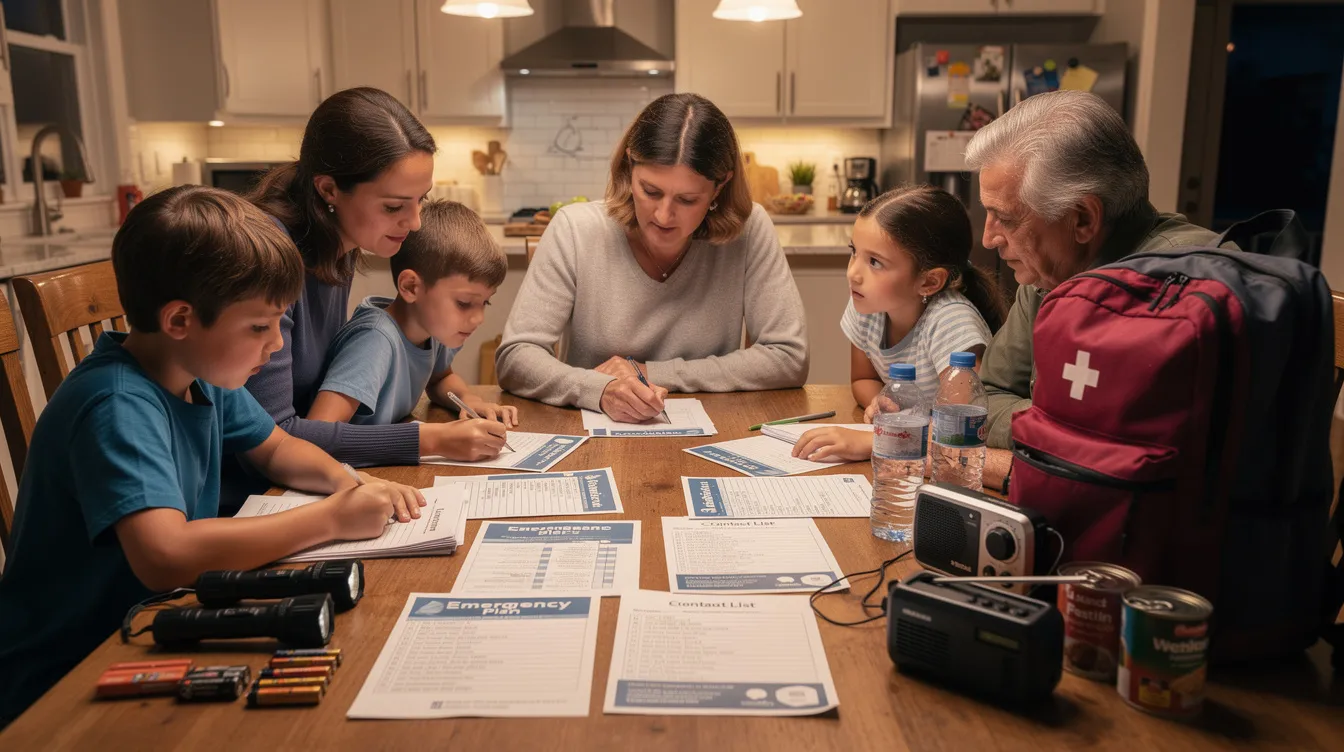
Create or update a family emergency plan with evacuation routes, emergency contacts, and a disaster supply kit. Explore community resources like FEMA assistance, local relief organizations, and neighborhood groups for long-term recovery support. Use this as an arrow slideshow moment to push your preparedness forward.
Frequently Asked Questions
How soon after a storm can I start cleaning up my home?
Cleanup should begin only after local authorities confirm safety, power lines near the property are secured, and you have visually checked for warning signs of structural problems. Wet materials like carpets and drywall should ideally be removed within 24–48 hours to reduce mold, but always document damage with photos before cleanup. Wear protective gear and stop work immediately if you notice structural instability, strong gas smells, or symptoms of carbon monoxide exposure.
What if I don’t have homeowners insurance or my policy doesn’t cover all the damage?
Apply for FEMA Individual Assistance after federally declared disasters. Nonprofit and faith-based organizations often provide grants. Document everything as thoroughly as if filing an insurance claim, since photos, estimates, and receipts are required for most aid. Prioritize critical repairs and seek community legal aid to understand your rights.
How do I know if my home is structurally safe to live in after a storm?
Look for warning signs: bowed walls, sagging ceilings, large foundation cracks, doors that will not open, or floors that feel spongy. If any are present, leave the area immediately and call a building inspector. Even flood-affected homes with minor visible damage should be professionally evaluated before you return home safely.
Is it safe for my children and pets to help with cleanup?
Children should stay away from debris, standing water, and damaged buildings at all times. Pets may encounter sharp debris or contaminated water, so keep them leashed or indoors. Involve children in safe tasks like sorting clean supplies to support their emotional health. Watch closely for signs of illness or stress in the days following the storm.
What symptoms of carbon monoxide exposure should I watch for after a storm?
Early symptoms include headache, dizziness, nausea, weakness, and confusion. Carbon monoxide has no smell or color. If your detector alarms or anyone shows symptoms, move everyone to fresh air immediately and call 911. To prevent carbon monoxide poisoning, never operate generators, charcoal grills, or camp stoves inside homes, garages, or enclosed porches.