
Key Takeaways
- Start your insurance claim within 24 hours of the fire once everyone is safe and you have a claim number and adjuster assigned.
- Do not throw away any damaged property until your insurer or fire investigator has documented it; photograph everything first.
- Create a room-by-room inventory list with photos, estimated purchase dates, and replacement prices to avoid missing thousands of dollars in coverage.
- Track every extra living expense (hotel, meals, laundry, pet boarding) from day one and keep receipts for reimbursement under Additional Living Expense coverage.
- If the claim becomes large or complex (e.g., total loss, smoke and water damage throughout), consider hiring your own public adjuster or other professionals to protect your settlement.
A house fire is a devastating event that can leave you feeling overwhelmed and unsure of your next steps. In the chaos that follows, knowing exactly what to do can make all the difference between a smooth recovery and months of frustration with lost coverage.
Each year, residential fires in the United States cause over 2,500 deaths, 12,500 injuries, and $7 billion in property damage. Behind those statistics are real families facing displacement that averages 6-12 months in severe cases. The actions you take in the first hours and days after a fire directly impact how much you can recover from your home insurance claims.
This comprehensive checklist walks you through every critical step—from ensuring safety and contacting your insurance provider to building your complete inventory and finalizing your claim. Whether you’re reading this after a fire or preparing for the unexpected, these steps will help you protect your family, your property, and your financial recovery.

1. Immediate Steps in the First 24–72 Hours
The first 72 hours after a fire are critical for starting your recovery on the right foot. Acting quickly during this window sets the foundation for a successful insurance claim and helps prevent additional losses.
Within the first 24 hours:
- Confirm all family members are safe and accounted for
- Seek immediate medical care for anyone showing signs of smoke inhalation, burns, or respiratory distress
- Request a copy of the fire report from the local fire department (aim to do this within 48 hours of the incident)
- Contact your insurance company’s 24/7 claims line as soon as you reach a safe location
When you call your insurance company:
- Provide the fire date and cause (if known by the fire department)
- Confirm your policy number and covered address
- Obtain a claim number in writing or via email
- Ask when a field adjuster will be assigned to your case
Ask about immediate assistance that same week:
- Cash advances for clothing, toiletries, and emergency supplies
- Coverage for hotel stays and meals under additional living expenses
- Instructions for securing the property to prevent further damage
Notify key parties within the first few days:
| Party to Notify | Why It Matters |
|---|---|
| Mortgage lender | Required by most loan agreements; may affect rebuilding funds disbursement |
| Landlord (if renting) | Triggers their property damage responsibilities |
| Utility companies | Stops billing and prevents safety hazards |
| Credit card companies | Some offer emergency assistance programs |
Timeframe tip: Most standard homeowners policies mandate reporting a fire within 24-48 hours. California insurers, for example, require immediate contact via phone, app, or online portal to avoid time-bar provisions that can void your claim.
2. Safety and Securing the Property
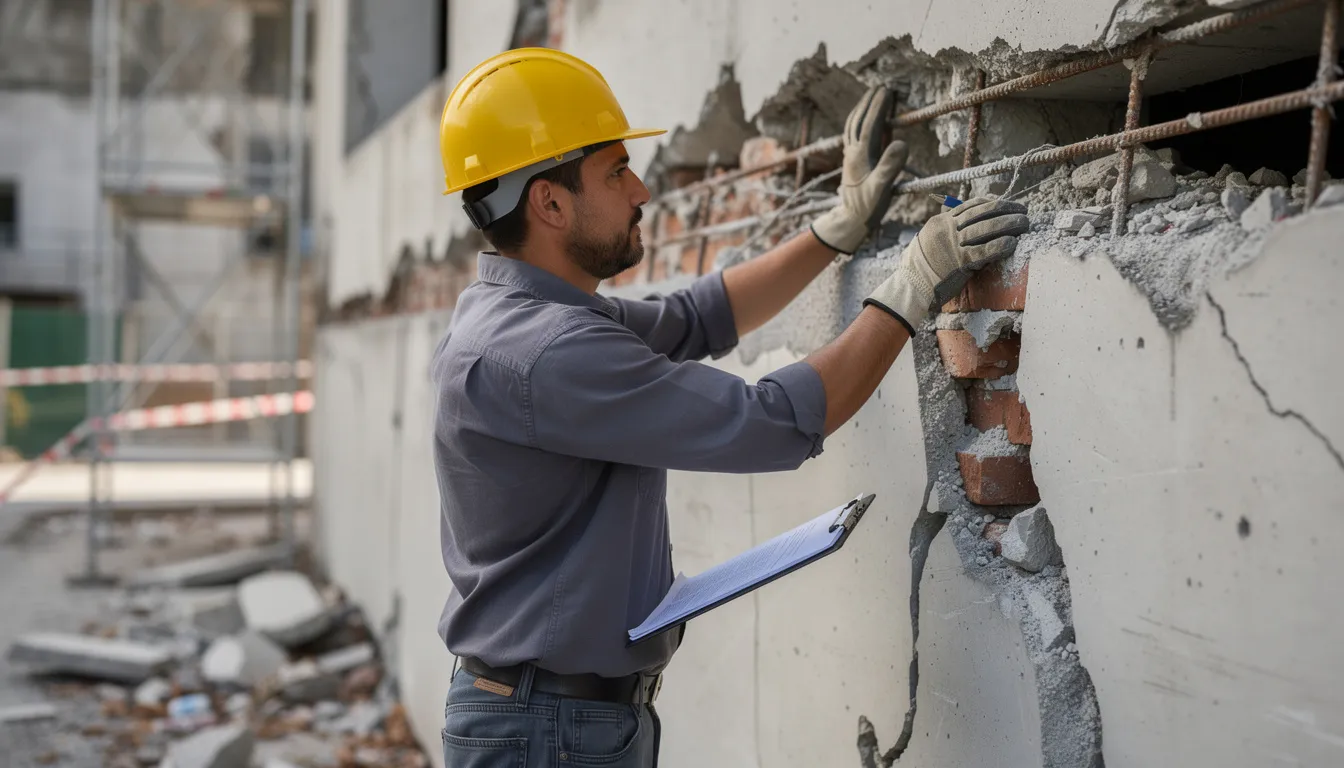
Before anything else, remember that your house may look stable from the outside but contain hidden hazards inside. Never re-enter your home until fire officials declare it structurally safe and utilities have been properly assessed.
Getting Clearance to Enter
Obtain explicit written or verbal clearance from the fire department before going back inside. Even after clearance, be prepared for dangerous conditions:
- Weakened floors that could collapse
- Falling debris from ceilings and walls
- Lingering smoke and toxic fumes
- Compromised electrical systems
- Water damage from firefighting efforts
Required Protective Gear
When you do enter, protect yourself from toxic materials and structural hazards with proper protective gear:
- Long sleeved shirt (cotton, not synthetic)
- Long pants
- Heavy boots with thick soles
- Work gloves (leather preferred)
- Hard hat or protective helmet
- Safety glasses or goggles
- NIOSH-approved respirator (N95 or P100 rated)
Exterior Assessment First
Before entering the structure, do a complete walk-around of the exterior checking for:
- Leaning walls or sagging rooflines indicating structural damage
- Downed power lines or exposed electrical wiring
- Gas odors suggesting leaks
- Foundation cracks or shifting
- Chimney damage that could cause collapse
Emergency Board-Up and Tarping
Within the first week, talk with your insurer about emergency repairs to prevent further damage:
- Board-up services for broken windows and doors
- Tarping or covering damaged roofs to prevent water intrusion
- Temporary fencing to prevent unauthorized access
These “reasonable emergency repairs” are typically reimbursable when you document them with dated photos and save all invoices. Failure to protect your damaged property can trigger “failure to mitigate” clauses in your policy, reducing your payout significantly.
Utility safety reminder: Only allow utilities to be turned back on after clearance from utility providers or licensed contractors. Gas leaks and electrical fires are common secondary disasters after house fires.
3. Contacting Your Insurer and Understanding Your Coverage
Calling your insurance company promptly and understanding your policy details can significantly affect your final payout. Delays in reporting or confusion about coverage often cost homeowners thousands of dollars.
Your Initial Claim Call
When you contact your insurance company, be prepared to provide:
- Your policy number and the insured property address
- The date and approximate time of the fire
- Whether the home is currently livable
- A brief description of the fire damage you’ve observed
- Your current contact information and temporary address
Ask the representative when the field adjuster will inspect the property and request this timeline in writing.
Understanding Your Policy Coverages
Your insurance policy contains several coverage categories that work together:
| Coverage Type | What It Covers | Typical Limits |
|---|---|---|
| Coverage A (Dwelling) | Your home’s structure, walls, roof, built-in appliances | Policy face value |
| Coverage B (Other Structures) | Detached garage, shed, fence, pool house | Usually 10% of dwelling coverage |
| Coverage C (Personal Property) | Furniture, clothing, electronics, personal belongings | Usually 50-70% of dwelling coverage |
| Coverage D (ALE/Loss of Use) | Hotel, meals, temporary rental, extra commuting costs | Usually 20-30% of dwelling for 12-24 months |
Actual Cash Value vs. Replacement Cost
Understanding this difference is crucial for your claim:
Actual Cash Value (ACV): What your item is worth today after depreciation. A 7-year-old TV that originally cost $1,000 might have an actual cash value of only $300.
Replacement Cost Value (RCV): The cost to buy a comparable new item today. That same TV might cost $800-$1,200 to replace with a similar model.
If you have a replacement cost policy, you typically receive the ACV payment first. After you actually replace the item and submit receipts, the insurer pays the difference up to the replacement cost.
Get Deadlines in Writing
Ask your adjuster to provide written confirmation of:
- Time limits to submit a proof of loss (often 60-90 days)
- Deadlines for complete inventory lists and receipts
- Claim filing deadlines (ranging from 30 to 180 days depending on your policy)
- Time limits for disputing claim decisions
Request a complete copy of your insurance policy (including all endorsements) by email so you can review coverage limits and exclusions while working through this checklist.
4. Building Your Fire Loss Inventory Checklist
A detailed personal property inventory can add tens of thousands of dollars to your settlement. Case studies show that families with meticulous room-by-room inventories often recover over 90% of their losses, while under-documented claims typically settle at only 50-70% of actual losses.
Start building your inventory as soon as it is safe to access the property.
Room-by-Room Approach
Work through your home systematically, checking off each area:
- Kitchen (appliances, cookware, dishes, pantry items)
- Living room (furniture, electronics, decorations)
- Each bedroom (clothing, furniture, personal items)
- Bathrooms (linens, toiletries, fixtures)
- Garage (tools, equipment, sporting goods)
- Attic and basement (seasonal items, stored belongings)
- Outdoor structures (patio furniture, lawn equipment)
What to Log for Each Item
Create a complete list with these details for every damaged item:
| Information Needed | Example |
|---|---|
| Description | Samsung 55” Smart TV |
| Brand and model | Samsung UN55RU7100 |
| Approximate purchase date | March 2021 |
| Original price (or best estimate) | $550 |
| Condition before fire | Excellent, fully functional |
| Estimated replacement cost | $650 |
Practical Tools for Reconstruction
Don’t rely only on memory. Use these resources to rebuild your inventory:
- Smartphone photos and videos taken before the fire
- Price-scanning or shopping apps to find current replacement costs
- Past online orders from Amazon, Walmart, or other retailers
- Bank and credit card statements showing purchases
- Old emails containing digital receipts
- Warranty registration records
Family involvement: Have all family members contribute to the inventory. Children can recall toys and games, while others might remember seasonal items, tools stored in the garage, or personal property items tucked away in closets.
Organize your total loss inventory list in a spreadsheet or use your insurer’s digital forms. Keep serial numbers where available—these prove ownership and value for electronics and appliances.

Handling Damaged Property for Your Claim
How you handle damaged items can make or break parts of your claim.
Critical rule: Do not discard or donate any fire-, smoke-, or water-damaged property until the insurance adjuster or fire investigator has seen it and provided written or email approval.
Documentation protocol for each item:
- Take an overall photo showing the full item
- Capture close-up shots of the specific damage
- Photograph any labels, serial numbers, or brand markings
- Record the date clearly in your notes or photo metadata
Some personal belongings may be restorable rather than replaceable. Lightly smoke-damaged furniture or clothing might be professionally cleaned rather than replaced. Your insurer may recommend or send a professional restoration company—document what is cleaned versus replaced.
Organization tip: Separate clearly destroyed items (charred or melted) from potentially salvageable ones. Label boxes or designate areas so you can easily reference them during adjuster visits.
Working with Your Insurance Company on the Inventory
Inventory reviews often involve back-and-forth with the adjuster over pricing and depreciation. Being organized makes this process smoother.
Submission strategy:
- Send your inventory in organized batches by room
- Request written confirmation that each batch has been received
- Keep copies of everything you submit
Challenging depreciation calculations:
Ask how the insurer is calculating depreciation for specific categories like electronics, appliances, and clothing. If numbers seem low, request a detailed breakdown. You have the right to dispute valuations with:
- Recent purchase receipts
- Photos showing condition before the fire
- Current retail prices for comparable items
- Independent appraisals for valuable items
You can submit additional damaged items later as you remember them or find more evidence, as long as you stay within the policy’s claim time limits.
Backup everything: Keep a digital copy of your full inventory—spreadsheets, photos, and PDFs—stored securely in the cloud or emailed to yourself. If devices or paperwork are lost, you’ll still have your documentation.
5. Documenting Additional Living Expenses (ALE)
Additional living expenses coverage (sometimes called Loss of Use) covers the difference between your normal living costs and the extra costs of being displaced from your home. This coverage exists because your life doesn’t pause during recovery.
What ALE Typically Covers
| Covered Expense | Examples |
|---|---|
| Temporary housing | Hotel stays, short-term rentals, extended-stay apartments |
| Meals | Restaurant costs when kitchen is unavailable |
| Transportation | Increased commuting costs from temporary location |
| Pet care | Boarding fees if temporary housing doesn’t allow pets |
| Laundry | Laundromat costs if temporary housing lacks facilities |
| Storage | Unit rental for salvaged belongings |
| Household necessities | Items needed to maintain a temporary household |
Documentation Requirements
Save every receipt starting from the first night out of your house. Create a simple log tracking:
- Date of each expense
- Location or vendor
- Amount spent
- Reason the expense was necessary
A spreadsheet works well for this purpose. Note that ALE covers the difference between what you’d normally spend and your actual expenses. If you normally spend $400/month on groceries but are now spending $800 eating out, you can claim the $400 difference.
Important ALE Limits
Your ALE coverage is usually subject to:
- Dollar limit: Often a percentage of your dwelling coverage (typically 20-30%)
- Time limit: Usually 12 to 24 months of displacement
Confirm both limits with your adjuster at the start of your claim.
Submission timing: Ask upfront how to submit ALE documentation—monthly, quarterly, or at the end of displacement. Many insurers will issue advances for ongoing living expenses if you submit documentation regularly.
6. Working with Adjusters, Contractors, and Professionals
Large fire claims often involve multiple professionals: company adjusters, independent adjusters, restoration firms, contractors, and possibly public adjusters or attorneys. Understanding who does what helps you protect your interests.
Designate a Family Spokesperson
Choose one person to:
- Attend all inspections
- Take detailed records of conversations
- Serve as the primary contact for the insurer
- Maintain consistent communication across all parties
This prevents confusion and ensures nothing falls through the cracks during the claims process.
Getting Contractor Estimates
Obtain at least two or three written estimates from licensed, insured contractors for:
- Structural repairs
- Smoke remediation
- Water damage and mold cleanup
- Electrical and plumbing systems
Compare these estimates with the insurer’s scope of work. Industry research indicates that initial adjuster estimates often undervalue claims by 20-40%, so independent contractor bids provide important leverage for negotiation.
Understanding Different Professionals
| Professional | Who They Work For | What They Do |
|---|---|---|
| Insurance company adjuster | The insurer | Assesses damage and prepares the company’s estimate |
| Independent adjuster | Hired by insurer | Third-party assessment, still represents insurer’s interests |
| Public adjusters | You (the policyholder) | Documents damages, prepares inventories, negotiates on your behalf |
| Restoration contractors | You | Provides repair estimates and performs remediation work |
Public adjusters work on contingency (typically 10-15% of your settlement) and can boost settlements by 30-50% according to industry case studies. Consider hiring one if:
- Your claim is complex or involves total loss
- You’re dealing with extensive smoke and water damage throughout
- The insurer’s offer seems significantly low
- You don’t have time to manage the process yourself
Ask the Right Questions
When working with any professional, ask for:
- Projected timelines for completion
- Permit requirements for repairs
- Realistic start dates (especially helpful in high-demand years after major wildfire seasons)
- Written cost breakdowns
Maintain a Claim Journal
Keep date-stamped notes of every interaction:
- Phone calls (who you spoke with, what was said, what was promised)
- Emails (save copies in a dedicated folder)
- Site visits (who attended, what was inspected, what conclusions were reached)
- Commitments made by adjusters or contractors
This documentation can be crucial if disputes over coverage or scope arise later. Statistics show policyholders win 70% of appealed denials when they have solid documentation to support their case.
7. Finalizing the Claim and Planning Next Steps
Closing a fire claim can take months—simple, partial-loss claims may settle within 30-90 days, while large or total-loss claims can extend to a year or longer. The key is reviewing settlement offers carefully before signing any final release.
Reviewing the Settlement Breakdown
When you receive a settlement offer, verify it against your policy by checking:
| Coverage Category | Offered Amount | Policy Limit | Deductible Applied |
|---|---|---|---|
| Dwelling (Coverage A) | |||
| Other Structures (Coverage B) | |||
| Personal Property (Coverage C) | |||
| Additional Living Expenses (Coverage D) |
Understanding Payment Timing
Under replacement cost policies, payment typically comes in phases:
- Initial ACV payment: Reflects current value minus depreciation
- Recoverable depreciation: Paid after you complete repairs or replace items and submit receipts
This means you may need to front costs before receiving full replacement cost reimbursement. Plan your cash flow accordingly.
Setting a Realistic Timeline
Factor these elements into your rebuilding or relocation timeline:
- Building permit processing (can take weeks to months)
- Contractor availability and scheduling
- Required inspections throughout construction
- Code upgrades that might trigger “ordinance or law” coverage
- Supply chain delays for materials
Planning for Future Resilience
Once you’re ready to rebuild or relocate, consider improvements that protect against future fires:
- Fire-resistant roofing materials
- Defensible space landscaping around the property
- Hard-wired smoke and carbon monoxide alarms with battery backup
- Updated family evacuation plans and emergency kits
- Fireproof safes for important documents
A Note on Recovery
Recovering from a house fire is a marathon, not a sprint. The emotional toll of losing your home, personal belongings, and sense of safety is real and significant. While this checklist focuses on the practical steps to recover your financial losses, don’t neglect your well-being.
Community resources, disaster relief organizations like the American Red Cross, counselors, and support groups can all be helpful as you work through this process. FEMA may also provide assistance if your fire occurs during a declared disaster.
Give yourself grace. You will rebuild your life, one step at a time.
FAQ
How long does a typical house fire insurance claim take to settle?
Simple, partial-loss claims may settle within 30-90 days, while large or total-loss claims can take six months to a year or longer. The timeline depends on complexity, how quickly you provide documentation, and whether disputes arise over scope or pricing. You can accelerate the process by submitting complete inventories, responding promptly to adjuster requests, and maintaining organized records throughout.
Can I start cleaning and repairing my home before the adjuster visits?
Minor emergency steps to prevent further damage—such as boarding broken windows, tarping a damaged roof, or drying wet areas—are usually allowed and reimbursable if you document them with photos and save receipts. However, major cleanup and demolition should wait until the adjuster and any fire investigators have inspected and given approval. Premature cleanup can destroy evidence needed to support your claim.
What if my insurance payout isn’t enough to cover all my losses?
You can challenge the insurer’s valuation by providing additional contractor estimates, purchase receipts, photos, and independent appraisals. Request a reinspection if you believe damage was missed or undervalued. If negotiations stall, consider hiring a public adjuster or attorney to review your claim. Also check your policy for supplemental coverages or endorsements (like inflation protection or extended replacement cost) that may have been overlooked in the initial assessment.
Do I have to rebuild in the same place after a fire?
Many policies allow policyholders to use some or all of the settlement to buy or build elsewhere. However, rules vary significantly by insurer and state. Some policies limit relocation payouts to what repairs would have cost at the original location. Contact your insurance agent to understand exactly how relocation affects the amount and timing of payments under your specific policy.
Will a house fire increase my future insurance premiums?
A significant fire claim can affect renewal pricing and eligibility. You may see premium increases of 20-40% or face non-renewal, depending on the severity of the claim and your overall claims history. To mitigate this, discuss fire prevention improvements and available discounts with your insurance agent. If you’re concerned about renewal, start shopping for coverage from other insurers well before your policy term ends—typically 60-90 days in advance.