
Retirement fundamentally reshapes your insurance landscape. The coverage you relied on during your working years—employer health plans, group life insurance, disability protection—typically ends or transforms the moment you stop receiving a paycheck. Understanding what insurance changes when you retire helps you avoid costly gaps and build a coverage strategy that protects both your health and your retirement savings.
Key Takeaways
- Retirement usually triggers major changes to health, life, long-term care, home, and auto insurance, often starting between ages 60–67
- Age 65 is the critical “pivot point” when most people move from employer coverage to Medicare, and missing Medicare deadlines can cause permanent penalties
- Retirees should plan for gaps: Medicare doesn’t cover long-term care, most dental and vision services, or all out of pocket costs
- Once paychecks stop and lifestyle changes, you’ll likely need to review and often reduce or reshuffle life, disability, home, and auto coverage
- This article walks through each major insurance type: pre-65 health, Medicare, long-term care, home and auto, life insurance, and ongoing annual reviews
How Your Insurance Landscape Changes the Day You Retire
The day you retire marks more than the end of your career—it fundamentally alters your relationship with risk, income, and benefits. Most retirees lose access to employer-sponsored health plans and must rebuild their insurance package from individual options, government programs, and personal savings.
Typical retirement timing falls between ages 62–67. Many retirees decide to retire before reaching Medicare eligibility at 65, creating a one-to-three year coverage gap that requires careful planning. Even those who work until 65 or later face significant decisions about which coverage options to enroll in and when.
Key shifts that happen at retirement:
- Loss of employer health insurance, including dental and vision benefits
- End of employer-sponsored disability income insurance
- Group life insurance either terminates or becomes significantly more expensive
- New reliance on Medicare, Social Security, and personal retirement income
- Lifestyle changes affecting home and auto insurance needs
Decisions made in the six to twelve months before your retirement date often lock in costs and options for years. Missing enrollment windows or failing to notify insurers of changes can result in penalties, coverage gaps, or unnecessary premium payments.

Health Insurance Before Age 65: Bridging the Gap
Retiring at 60, 62, or 63 means losing employer health coverage years before Medicare eligibility begins at 65. This creates one of the most challenging insurance transitions many retirees face—finding quality health coverage without employer subsidies.
Losing job-based health insurance qualifies as a life event that opens a 60-day special enrollment period to buy an ACA Marketplace health plan. You don’t have to wait for the annual open enrollment period that runs from November 1 through January 15.
Marketplace plans may offer substantial financial assistance:
- Premium tax credits based on your modified adjusted gross income
- Cost-sharing reductions that lower deductibles and coinsurance
- For 2024, a single filer earning up to about $58,000 may qualify for subsidies
- Married couples filing jointly earning up to roughly $78,000 may also qualify
COBRA provides another option—generally up to 18 months of continued employer coverage starting the month after employment ends. However, you pay the full premium cost plus administrative fees, often 102% of what your employer previously paid. For families, this can mean $500–$1,500 monthly.
Comparing Marketplace plans versus COBRA for a typical 63-year-old often reveals trade-offs: COBRA maintains familiar provider networks and drug formularies but costs significantly more, while Marketplace plans may offer lower premiums with subsidies but require checking whether your doctors and prescription drugs are covered.
Some large employers and public sector plans offer retiree health benefits that continue coverage until Medicare. Review your HR benefits documents at least six months before your planned retirement date to understand your options.
Medicare at 65: What Changes and What It Doesn’t Cover
Age 65 represents the pivot point when most retirees transition from employer or Marketplace plans to medicare coverage. Late enrollment can mean lifelong higher premiums—a 10% penalty for each year you delay Part B enrollment without qualifying coverage.
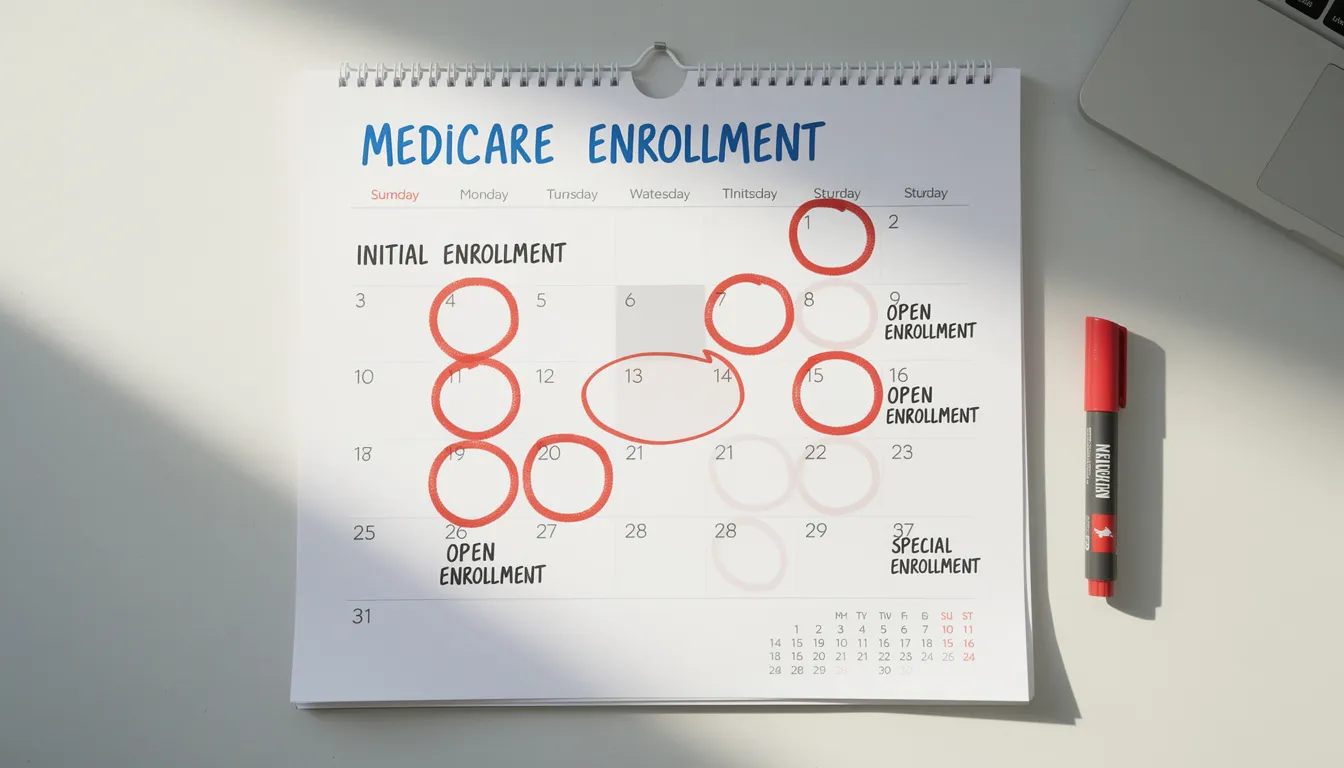
Your Initial Enrollment Period spans seven months: three months before the month you turn 65, your birth month, and three months after. For example, if you turn 65 in June, your enrollment windows run from March 1 through September 30.
The ABCDs of Medicare:
- Part A: Covers hospital stays, skilled nursing facility care, and hospice (premium-free for most due to prior payroll taxes)
- Part B: Covers outpatient care, doctor visits, and preventive services (monthly premium around $174.70 in 2024)
- Part D: Covers prescription drugs through private plans
- Part C: Medicare Advantage plans from private insurers that bundle A, B, and often D, sometimes including dental or vision
Many retirees pair Original Medicare (Parts A and B) with a Medigap policy plus a standalone Part D plan to limit out of pocket costs. Average annual out-of-pocket expenses for Parts A and B deductibles, copays, and coinsurance reach approximately $5,806.
If you or your spouse continue working after 65 with credible large-employer coverage (generally 20+ employees), you may delay Part B and Part D without penalty. When that employer coverage ends, you can use a special enrollment period of up to eight months to enroll.
Major gaps in medicare coverage:
- Long-term custodial care (help with bathing, dressing, eating)
- Routine dental care
- Routine vision exams and eyeglasses
- Hearing aids
- Many out-of-pocket medical costs
These gaps require additional coverage or dedicated savings to fill.
Long-Term Care and Other Health-Related Coverage After You Retire
The biggest health cost shock in retirement often isn’t standard doctor or hospital bills—it’s long-term care. Many retirees are aware that Medicare covers acute care but surprised to learn it barely touches ongoing custodial assistance.
Long term care includes help with activities of daily living—bathing, dressing, eating, toileting—whether at home, in assisted living, or nursing facilities. Medicare part coverage extends only to limited skilled care, typically up to 100 days following hospitalization, not ongoing custodial support.
Current national median annual costs:
- Private nursing home room: $108,405
- Assisted living facility: $64,335
- Home health aide (40 hours/week): Approximately $60,000
These costs can drain retirement assets rapidly. Genworth surveys suggest lifetime long term care needs potentially exceed $300,000, affecting 70% of retirees’ accumulated wealth without coverage.
Buying long term care insurance typically makes most sense in your late 50s to early 60s. Premiums for a 55-year-old run approximately $1,200–$3,000 yearly, roughly doubling for applicants at age 70. Health underwriting becomes stricter with age, and rejection rates climb to 40% post-70.
Hybrid options offer alternatives to traditional standalone policies:
- Life insurance with long-term care riders
- Annuities with LTC benefits
- These provide dual-purpose flexibility if you never need care
Other health-related coverage changes at retirement include standalone dental, vision, and hearing plans. These can replace benefits lost when employer retiree coverage ends:
- Dental plans typically cover cleanings, exams, and partial costs for major work
- Vision plans cover annual exams, eyeglasses, and contact lens allowances
- Hearing plans cover exams and often discounts on hearing devices
Home and Auto Insurance After Retirement
Less commuting and potential downsizing shift home and auto retiree insurance needs significantly in the first one to five years after retirement.
Auto Insurance Changes
Reduced annual mileage, elimination of rush-hour commuting, and completion of mature driver courses can result in lower premiums. Retirees drive 25–40% fewer miles annually according to AAA data, qualifying for low-mileage discounts of 15–30% from major carriers.
Contact your insurer to report these changes:
- Annual mileage reduction (no commute)
- Completion of AARP or similar defensive driving courses ($20–$30 for 10–20% discount)
- Senior discounts generally available at age 55+
Special situations may require different coverage:
- Part-time work using your vehicle
- Rideshare driving
- Extended travel in an RV
- Lending vehicles to children or grandchildren
Homeowners Insurance Changes
Downsizing from a family home to a condo or smaller property often reduces premiums 20–50% due to lower replacement cost—say, $300,000 dwelling coverage dropping to $150,000. However, condo policies (HO-6) introduce association requirements and coverage for shared structures.
Review coverage limits after:
- Major home improvements (finished basements, home offices, solar panels)
- Paying off your mortgage, when lender requirements may change
- Moving to a new climate zone with flood or earthquake risks
Retirees with significant assets should review liability limits and consider an umbrella policy. A serious accident or lawsuit can threaten retirement savings that took decades to accumulate.
Life Insurance and Income Protection Once You Stop Working
Retirement reduces some life insurance needs—there’s no paycheck to replace—but may increase others related to estate planning and final expenses.
Group life insurance through an employer often ends or becomes significantly more expensive at retirement. Check whether conversion or portability options exist before your last day of work. These options typically have tight deadlines of 30–60 days after employment ends.
Questions to evaluate your current life insurance policy:
- What debts remain (mortgage, car loans)?
- Are dependents still reliant on your income?
- Does your spouse need survivor income protection?
- Do you have charitable or legacy goals?
- Are there estate tax considerations (above $13.61 million exemption in 2024)?
Cash value in whole or universal life policies can sometimes supplement retirement income through loans or withdrawals. However, this may reduce death benefits and trigger tax implications—withdrawals above your cost basis are taxed as ordinary income.
Specialized final expense policies cover funeral costs and small debts if you no longer need large death benefits. These typically offer $25,000 or less in face value and cost $50–$150 monthly without medical exams for ages 50–85.
Long-term disability insurance typically ends at or near retirement. Once your salary stops, protection shifts from replacing income to preserving accumulated assets through the health, long-term care, and liability coverage discussed above.
Ongoing Reviews: Keeping Your Coverage Aligned With Each Stage of Retirement
Retirement can last 20–30 years or more, meaning insurance needs in your late 60s can look dramatically different from needs in your 80s. A single review at retirement isn’t sufficient.
Recommended annual review activities:
- Compare Medicare prescription drug plans during the open enrollment period (October 15–December 7)
- Review Medicare Advantage versus Original Medicare options
- Check Medigap premiums and coverage
- Verify home and auto coverage limits reflect current property values
- Assess whether life insurance coverage still matches your needs
Life events that should trigger an immediate review:
- Moving to another state (Medicare plan networks and home insurance requirements vary)
- Death of a spouse (affects survivor benefits, coverage needs, and premium subsidies)
- Major health diagnoses (may qualify you for different coverage options)
- Selling a business or property
- Large withdrawals from investments affecting income-based premiums
Create a one-page “insurance snapshot” listing all policies, premiums, renewal dates, and contact details. This simplifies annual reviews and helps families understand your coverage in emergencies.
Coordinate insurance decisions with tax and retirement plan strategies so that premium changes, HSA withdrawals, or policy loans fit into a sustainable long-term budget. A sudden spike in retiree health coverage costs can derail an otherwise solid retirement income plan.

Frequently Asked Questions
What happens to my employer health insurance when I retire mid-year?
Insurance coverage usually ends on the last day of the month of employment, though some employers terminate coverage on your final work day. This loss triggers a qualifying event that opens options: COBRA continuation for up to 18 months, ACA Marketplace plans with a 60-day special enrollment period, or—if you’re 65 or older—immediate Medicare enrollment. Submit your enrollment applications promptly to avoid coverage gaps.
Can I stay on my spouse’s employer plan after I retire?
Many retirees can remain as dependents on a working spouse’s group health plan, which often delays their own Medicare Part B and Part D enrollment without penalty. However, you must confirm eligibility rules and costs with your spouse’s HR department. When your spouse retires or loses that employer coverage, you’ll need to enroll in Medicare within eight months to avoid lifetime penalties.
Do I need Medigap if I choose a Medicare Advantage plan?
Federal rules prohibit pairing Medigap policies with Medicare Advantage plans. Retirees must choose one path: Original Medicare plus a Medigap supplement plus a standalone Part D prescription drug plan, or a Medicare Advantage plan that replaces Parts A and B and often includes drug coverage. Each approach has trade-offs in cost, provider flexibility, and out-of-pocket maximums.
Is it ever too late to buy long-term care insurance?
Insurers typically cap new long term care insurance policies somewhere in the early to mid-70s and may decline applicants with existing health conditions. Premiums rise sharply with age—often doubling between ages 55 and 70. Many people find themselves priced out or medically ineligible if they wait too long. If you’re considering this coverage, secure it before health issues develop.
How often should I shop around for home and auto insurance in retirement?
Compare quotes every two to three years or after major changes such as buying a new car, moving, or filing claims. While shopping matters, also weigh the value of loyalty discounts and positive claims histories with existing insurers. Report changes like reduced mileage or home security upgrades to your current carrier first—they may offer discounts that make switching unnecessary.