
Key Takeaways
- Renewal reviews typically start 60–90 days before your policy expires, not on the expiry date itself
- Insurers reassess rating factors including claims history, payroll, sales volumes, technician counts, and equipment values each year
- Your broker confirms that coverages like garage liability, garagekeepers, and tools coverage still match your current operations
- A structured annual review can identify coverage gaps (unreported services) and potential savings (safety improvements or competitive rates)
- Preparing updated financials and equipment lists 45–60 days ahead makes the process smoother
Introduction: Why Garage Insurance Renewal Reviews Matter
Most people assume their garage insurance renewal is automatic—just sign the paperwork and move on. But unlike simple auto renewals, your business insurance covers complex risks: customer vehicles in your care, premises liability, expensive diagnostic tools, loaner vehicles, and business interruption if something shuts you down.
A renewal review is when your insurance company and agent reassess whether your current coverage still fits how your garage actually operates today. It’s not just a new declarations page arriving in the mail. It’s a structured policy review to keep your protection accurate and your premiums fair.
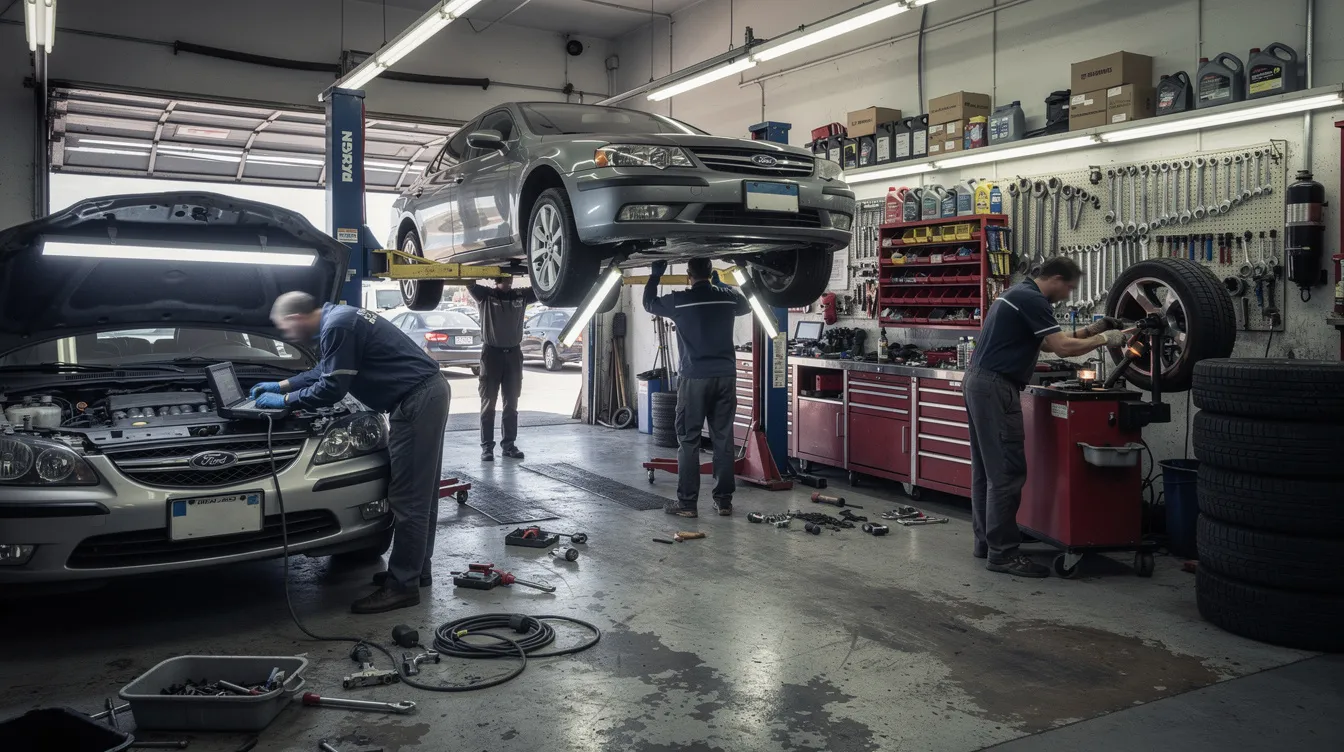
The Garage Insurance Renewal Timeline
Most carriers begin the renewal process 60–90 days before your policy expiration date. For example, if your policy expires June 30, 2026, expect the review to start in late April or early May.
Here’s the typical sequence:
- 60–90 days out: Your insurance agent requests loss runs and updated rating information
- 30–45 days out: The carrier issues a provisional renewal offer to your broker
- 2–3 weeks out: You and your broker discuss proposed terms, options, and any concerns
- Before expiry: Final decisions are documented and the policy binds
For multi-location operations or larger repair shops, brokers often start collecting updated data 90 days ahead to avoid rushed decisions if carriers delay their terms.
What Your Broker Actually Reviews on a Garage Policy
This is the core of the insurance review—the internal audit your broker performs before presenting anything to you.
Your agent cross-checks these main coverage sections:
- Garage liability: Claims from customer vehicles, test drives, and premises incidents
- Garagekeepers legal liability: Physical damage to clients’ autos left overnight or during repairs
- Property coverage: Building, contents, lifts, diagnostic equipment
- Tools coverage: Mechanics’ equipment, specialty scan tools
- Business income: Downtime losses if operations halt
- Commercial auto: Dealer plates, tow trucks, loaner vehicles
- Umbrella liability: Extended protection beyond primary limits
The broker compares last year’s limits and deductibles against the proposed renewal, flagging any changes the carrier made—higher deductibles, new exclusions for spray booth operations, or sub-limits on flammable storage.
When and Why We Re-Shop Your Garage Insurance
Not every renewal needs a full market exercise. But certain triggers make approaching alternative insurers a smart move:
- Premium increases exceeding 10–15% without major claims
- Adding services like bodywork, tire sales, or roadside assistance
- Opening or closing locations
- A claims-heavy year with several customer vehicle losses or property damage
- New garage programs launched in 2026 offering competitive pricing
Re-shopping is done proactively within the 60–90 day window to ensure seamless transitions. However, constant carrier hopping is discouraged—it disrupts loss history continuity and relationships with underwriters who favor long-term clients.
Data and Information We Analyze Before Renewal
Garage insurance pricing is heavily data-driven. Accurate, up to date information is critical for fair premiums.
Your broker analyzes:
| Data Point | Why It Matters |
|---|---|
| Annual gross receipts | Affects liability and property rates |
| Payroll totals by role | Drives workers’ compensation calculations |
| Building and equipment values | Sets property and business income limits |
| Loss runs (3–5 years) | Reveals claim patterns affecting premiums |
| Safety improvements | May qualify for credits reducing costs |
Example: A shop that installed two new lifts and a frame machine in 2025 would need contents limits increased from $500,000 to $750,000, with business income coverage recalibrated for extended downtime from specialized repairs.
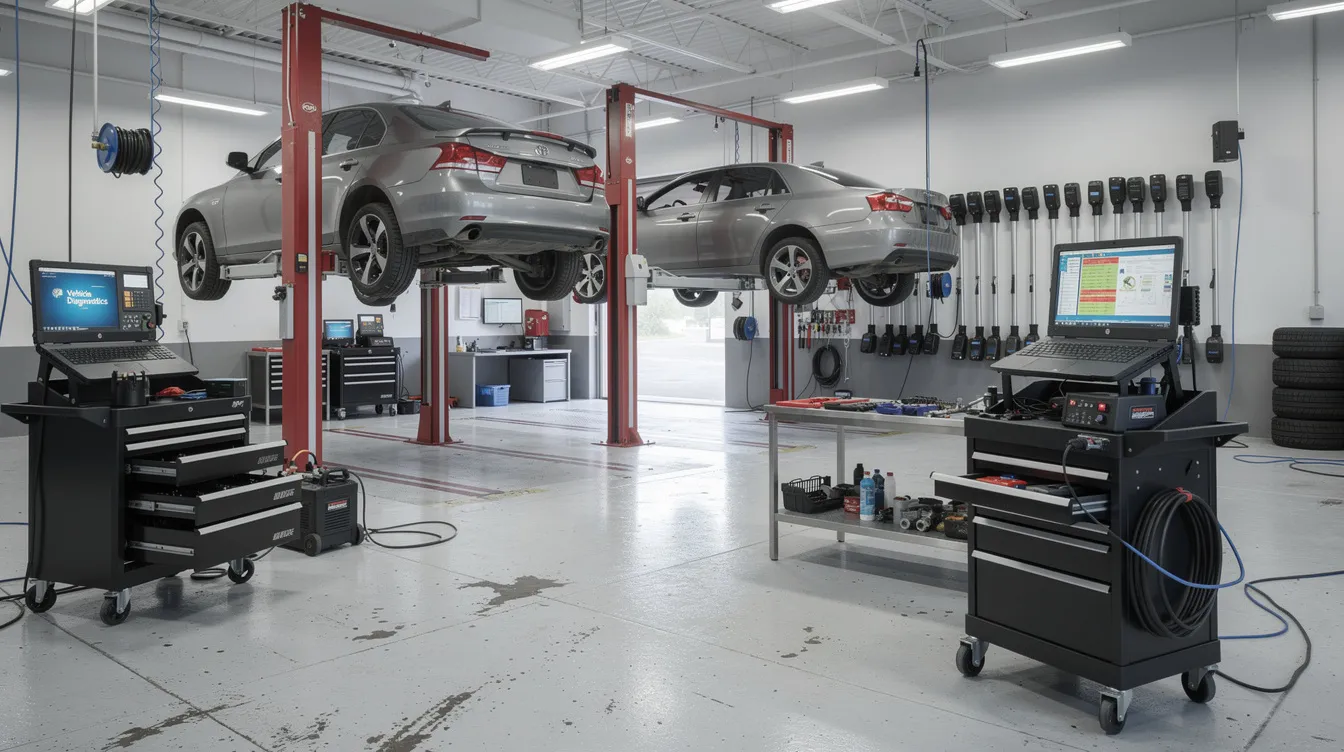
What We Need From You Before Your Garage Insurance Renews
The renewal review works best when you prepare 45–60 days in advance.
Items to gather:
- Updated financials or sales and payroll estimates for the year ahead
- Equipment purchase records (lifts, alignment racks, scan tools)
- Lease amendments or new dealer/fleet contracts
- Notes on operational changes: new services (EV repair, ADAS calibrations), extended hours, increased customer vehicle storage
Review your current declarations page before meeting with your agent. Mark anything you don’t recognize. Share your plans for the next 12 months—adding mobile service vans, hiring employees, expanding bays—so coverage can anticipate needs rather than react to life changes after they happen.
The Renewal Conversation: How We Walk Through Your Coverage
The renewal meeting follows a clear structure:
- Recap current policy: Your broker explains key limits, deductibles, and endorsements in plain language—not jargon
- Explain proposed changes: Premium differences, adjusted limits, new conditions, and the reasons behind them
- Present options: For example, choosing a higher deductible for lower premiums, or increasing garagekeepers coverage to match peak overnight vehicles stored
- Document decisions: All instructions are recorded for clarity and future renewals
The final choice always rests with you. Your independent agent presents facts and options; you make informed decisions about what fits your financial situation and risk profile.
Common Adjustments Made During Garage Insurance Renewal Reviews
Many renewals result in targeted tweaks rather than complete overhauls:
- Building limits: Increased to match 2026 replacement cost estimates
- Garagekeepers: Adjusted to reflect average and peak customer vehicles overnight
- Tools schedule: Updated with high-value specialty tools added during the year
- Vehicle coverage: Adding loaner vehicles, tow trucks, or mobile service vans
- Business income: Modified to reflect current profit margins and potential downtime
Example: Installing a new spray booth or compressor system often triggers adding equipment breakdown coverage to prevent sub-limits that could cap recovery at 50% of losses.
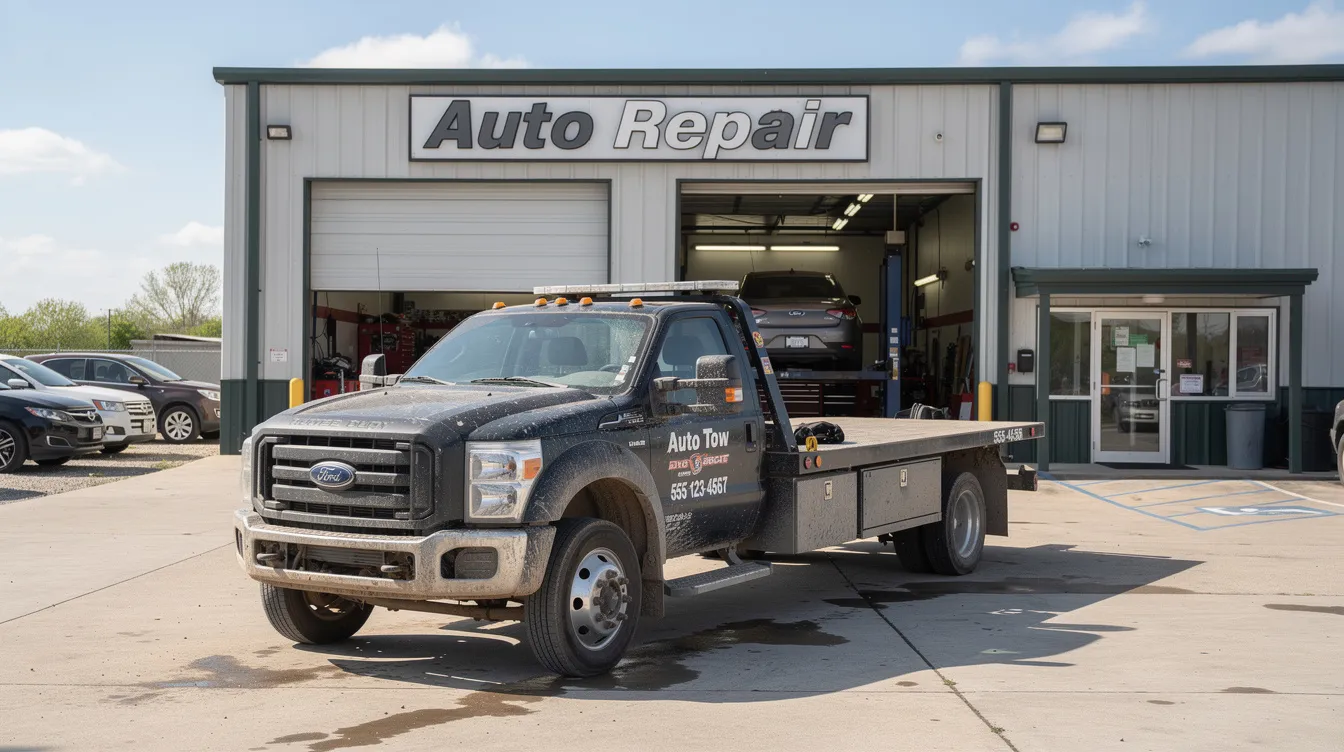
How a Structured Renewal Review Protects Your Garage Long-Term
Beyond the cost discussion, annual reviews deliver real risk management value. Fewer coverage gaps mean fewer claim disputes. Better alignment between your operations and policy wording means smoother claims handling if something happens.
Over 3–5 years, consistent reviews keep limits, classifications, and premiums in sync with your business growth. For garages facing evolving technology—EVs, ADAS diagnostics, cyber risks—this ongoing attention becomes an important part of staying covered.
Schedule your next renewal conversation 45–60 days before your current policy expires. It’s brief, practical, and can make a major difference when you need to file a claim.
Frequently Asked Questions
How far in advance should I start my garage insurance renewal review?
Most garages should begin talking with their broker 60 days before policy expiry—30 days minimum for smaller operations. Starting early gives time to collect updated information, examine alternative carriers, and negotiate coverage terms without rush. Complex multi-location garages benefit from beginning data-gathering 90 days ahead.
Will a renewal review automatically increase my premium?
No. The review itself doesn’t affect your premiums. It ensures the insurer’s rating factors accurately match your current needs. Premiums may go up, down, or stay flat based on claims, sales and payroll changes, equipment values, and market conditions. Identifying safety improvements during review can sometimes help offset upward pricing pressure and lead to discounts.
Do I need to tell my insurer about every new piece of equipment?
High-value additions—lifts, alignment racks, scan tools, frame machines, spray booths—should be disclosed so property and business income limits remain adequate. Smaller hand tools typically fall under blanket coverage. Keep a running inventory list and purchase records so updates at renewal are quick. Generally, disclose investments over $10,000–$25,000.
What happens if I skip the renewal review and just let the policy auto-renew?
Your policy will likely remain in force, but it may not reflect new services, equipment, or changes in vehicles stored on site. This can create gaps—for example, unreported mobile service vans or expanded bodywork operations—and misaligned limits that affect claims. An annual review is usually brief but can protect you from paying for inadequate coverage.
Can I change insurers mid-term if I find a better option after renewal?
In many jurisdictions, you can cancel mid-term, but there may be minimum earned premiums or short-rate penalties. The best time to evaluate alternative carriers is during the normal renewal window so changes occur on the policy anniversary. Contact your broker before making mid-term changes to avoid coverage gaps or unintended money spent on penalties.