
Key Takeaways
- In the United States, high value items typically refer to individual possessions worth $1,000 or more, or items that exceed the special category limits in your homeowners or renters policy—these often need to be listed or scheduled separately for full protection.
- U.S. insurers treat certain categories differently, with jewelry, artwork, collectibles, and electronics frequently subject to lower sub-limits (such as $1,500–$5,000 for jewelry theft) unless you add specific endorsements.
- Some items carry obvious high dollar value (like a $12,000 diamond ring), while others have modest individual value but add up quickly—a three-bedroom house might contain $25,000–$40,000 in furniture alone.
- Every U.S. homeowner or renter should create a home inventory with photos, receipts, and approximate values, then compare those totals to the personal property and special category limits in their current policy.
- All examples, price ranges, and policy concepts in this article are based on U.S. currency (USD) and U.S. insurance practices only.
Whether you’re updating your home insurance, preparing for moving day, or simply trying to understand what your belongings are actually worth, knowing what counts as a high value item is essential. Many homeowners and renters in America underestimate the total value of their possessions until they need to file a claim—and by then, it’s often too late to ensure proper coverage.
This article will walk you through exactly how insurers define high value, provide concrete examples across every major category, and show you how to document and protect all your items. By the end, you’ll have a clear roadmap for creating an inventory form that captures everything from your engagement ring to your road bike.
How Insurers in the U.S. Define “High Value” Items
The term “high value” can mean slightly different things depending on context. For home insurance purposes in the United States, it typically refers to items that exceed a per-item or category limit set by your policy. For moving companies, it might mean something else entirely. Understanding these distinctions helps you avoid gaps in coverage.
Common U.S. insurance thresholds include:
- Individual items worth $1,000–$2,500 or more
- Items in categories where standard policies cap coverage (jewelry often limited to $1,500–$5,000 total unless scheduled)
- Collections whose combined value exceeds special limits for that category
- Possessions requiring professional appraisal for accurate valuation
Insurers distinguish between “general contents” (furniture, everyday clothing, basic electronics) and “scheduled” or “high value” property (fine jewelry, art, rare collectibles, high-end watches). General contents are covered under your overall personal property limit, while scheduled items receive specific, itemized coverage.
Moving companies in the U.S. sometimes define extraordinary value differently—often as more than $100 per pound per article. This per-pound approach differs significantly from how home insurance determines limits, so keep both definitions in mind if you’re planning a shipment to a new destination.
Pro tip: Check your declarations page and policy wording for phrases like “special limits of liability,” “scheduled personal property,” or “high value items.” These terms signal where your coverage might be limited for expensive possessions.
High Value Jewelry, Watches, and Precious Metals
Jewelry and watches are typically the first things insurers think of as high value. U.S. policies often have tight limits for theft and mysterious disappearance unless you add specific coverage—sometimes called a “floater” or “rider.”
Concrete examples of high value jewellery and watches:
| Item | Approximate Value |
|---|---|
| Engagement ring | $9,000 |
| Rolex or Omega watch | $4,500 |
| Diamond tennis bracelet | $3,000 |
| Gold coins or bullion | $7,000 |
| Pearl necklace | $2,500 |
| Luxury earrings | $1,800 |
Many standard U.S. homeowners policies only cover jewelry for around $1,500–$5,000 total for theft. A single engagement ring can exceed this limit, meaning you’d receive far less than its actual value if you filed a claim without scheduling it separately.
Items like engagement rings, wedding bands, diamond earrings, and luxury watches should be appraised every 3–5 years so coverage keeps pace with market prices and inflation. Appraisals typically cost $200–$500 per item but provide essential proof of value.
For precious metals (gold bars, silver rounds, collectible coins), check whether your insurer treats them as “money,” “collectibles,” or separate scheduled property. Some policies cap coverage for cash and coin collections at very low amounts—sometimes just a few hundred dollars—which can leave you exposed.

Electronics and Computers as High Value Items
While a single mid-range TV may not qualify as high value on its own, the combined cost of multiple devices in a U.S. household can easily reach $10,000–$20,000. Electronics depreciate quickly, but replacement costs remain high.
Common electronics and their approximate replacement costs:
- Gaming laptop: $2,000–$3,000
- MacBook Pro: $1,500–$2,500
- Flagship smartphone: $1,200
- OLED TV (65”+): $2,500
- Camera body with lenses: $3,000–$4,000
- Home audio system/speakers: $2,000
- Laptops for multiple family members: $3,000–$5,000 total
Items frequently taken out of the home—laptops, phones, tablets, cameras—may require additional “off-premises” or worldwide coverage. Limits for these items can differ significantly among U.S. insurers, so don’t assume your policy automatically covers that $3,000 camera you take on vacation.
Consider grouping your electronics by room (living room, home office, kids’ rooms) and listing approximate replacement costs using current U.S. prices from major retailers. This makes inventory creation faster and more organized.
For very high-end setups—such as a $20,000 home theater or a $15,000 custom gaming and streaming rig—insurers may request brand, model, serial numbers, and receipts or invoices before providing full coverage.
Furniture, Décor, and Home Furnishings
In U.S. home insurance, furniture is typically classified as general contents. However, because it often represents one of the largest total dollar amounts in a home, it must be carefully valued even if individual pieces don’t qualify as high value on their own.
Specific examples of replacement costs (2024–2025 U.S. pricing):
| Item | Approximate Cost |
|---|---|
| Sectional sofa | $3,000 |
| Dining set (table + chairs) | $2,000 |
| Quality mattress | $1,200 |
| Bedroom set (bed, dresser, nightstands) | $2,500 |
| Area rugs | $1,000 |
| Lamps and accent tables | $800 |
| Sofas (additional) | $1,500–$2,500 each |
While an individual couch may not trigger high value status, an entire three-bedroom house can easily contain $20,000–$40,000 in furniture and décor when you add up living room, bedrooms, dining room, and office furniture.
Don’t forget to include:
- Window treatments (curtains, blinds)
- Area rugs and runners
- Wall mirrors
- Lighting fixtures you own (not those permanently wired in as part of the building)
Antiques or designer furniture deserve special attention. A mid-century modern credenza valued at $8,000 or an antique dining table appraised at $10,000 may need individual appraisals and could be treated similarly to fine art or collectibles by your insurer.

Clothing, Accessories, and Everyday Personal Items
Many U.S. households underestimate the total value of clothing and personal accessories because these purchases happen gradually and spread across closets and storage areas. When you add everything up, the numbers can be surprising.
Typical replacement values for an adult wardrobe:
- Everyday clothing: $5,000–$10,000
- Shoes: $1,000–$3,000
- Handbags: $500–$2,000
- Winter outerwear: $400–$800
- Boots and cold-weather accessories: $300–$600
High value within this category often refers to designer or luxury pieces:
- Designer handbag: $2,000+
- Leather jacket: $1,500
- Designer shoes: $1,000
- High-end sunglasses: $400–$600
- Luxury wallet: $600
Organizing wardrobes by family member and doing a quick, conservative tally helps estimate what it would cost to replace everything new at current U.S. retail prices. Don’t forget children, who may own large amounts of sports gear, school clothing, and electronics.
Accessories like sunglasses, belts, and small leather goods can be expensive enough to qualify as high value if stolen or lost in a covered event. Keep receipts for any item over $500.
Art, Antiques, and Collectibles
Art, antiques, and collectibles often appreciate in value over time and may not be adequately covered under standard limits unless documented and scheduled on the policy. These items represent both financial investment and personal interests for many homeowners.
Examples of high value art and collectibles:
| Item | Approximate Value |
|---|---|
| Original painting by regional artist | $15,000 |
| Antique grandfather clock | $7,500 |
| Vintage comic book collection | $10,000 |
| Coin or stamp collection | $20,000 |
| Signed sports memorabilia | $5,000 |
| Rare vintage toys | $3,000 |
U.S. insurers frequently apply special limits to fine art, artwork, rugs, silverware, stamps, coins, and memorabilia. These limits may be much lower than actual market value unless items are listed with appraised values.
Obtain professional appraisals for any single piece you believe is worth more than $5,000, or for collections whose total value exceeds your policy’s special limits. Appraisers can provide the documentation insurers require for scheduling.
Some collectibles—sports cards, signed jerseys, rare sneakers, vintage toys—can be volatile in price. Keep purchase receipts, grading certificates, auction records, and clear photos as proof of value and authenticity.
Sports, Hobby, and Music Equipment
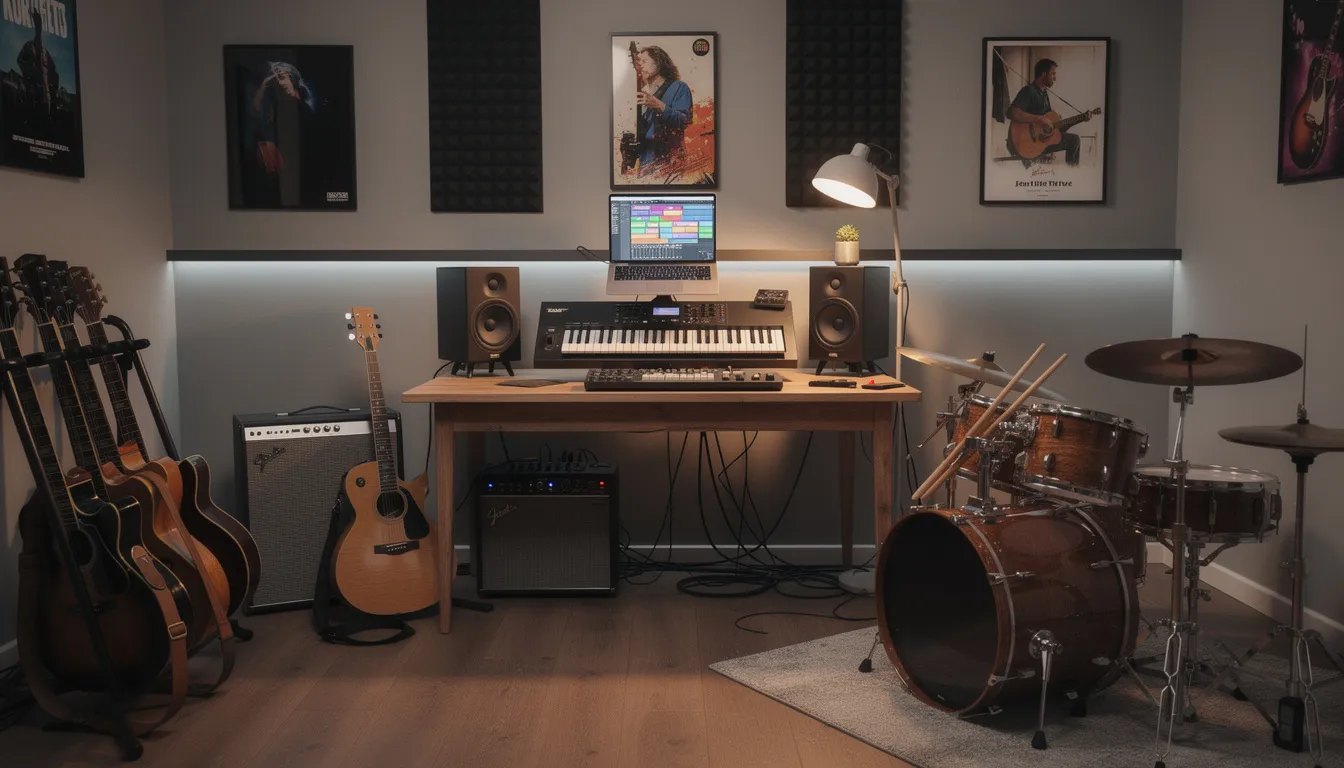
Sports, hobby, and music gear can quietly add tens of thousands of dollars to a home’s contents value, especially when family members pursue multiple activities. Musical instruments in particular can carry surprisingly high replacement costs.
Examples of high value sports and hobby equipment:
- Road bike: $4,000
- Golf clubs (full set): $3,000
- Skis and snowboards: $2,500
- Drum kit: $5,000
- Piano keyboard setup: $3,500
- Guitars and amplifiers: $4,000
- Bikes for the whole family: $5,000–$10,000
These items are often used away from home—on trails, at courses, in studios—so confirm whether your U.S. policy covers them off-premises. Separate sports or instrument insurance might be advisable for high-end gear.
List each major item with brand, model, serial number (if present), and replacement cost using current prices from U.S. specialty retailers or manufacturer websites. This level of detail helps if you ever need to file a claim.
Some insurers classify high-end hobby gear—for example, $6,000 in professional photography equipment or a $5,000 telescope—similarly to electronics or tools. If you use gear for side business income, you may need separate endorsements to ensure coverage.
Outdoor Items: Garden, Patio, and Garage Contents
Outdoor and garage contents are easily overlooked but can be expensive to replace after theft, fire, or storms. Some policies have lower limits for property stored in detached structures, so this is an area worth reviewing.
Examples of outdoor and garage high value items:
| Item | Approximate Cost |
|---|---|
| Gas grill | $1,200 |
| Hot tub | $3,000–$8,000 |
| Patio furniture set | $1,500 |
| Lawn and garden tools | $1,000 |
| Riding mower | $1,000–$3,000 |
| Power tools | $800–$2,000 |
Bicycles, kayaks, camping gear, and fishing equipment also qualify as high value. A family may own $2,000–$5,000 or more in these items combined, and theft from yards, sheds, or vehicles is common.
Check how your U.S. policy treats property in detached garages, sheds, or storage units. Some insurers cap coverage for “other structures” contents or require additional coverage for those locations—this can result in limited payouts after a loss.
If you own a $10,000 custom outdoor kitchen, premium grills, or a high-end hot tub, review whether these are covered as part of the dwelling (structures) or personal property. Confirm that limits are high enough to replace these items at current prices.
How to Create a Home Inventory and Document High Value Items
A clear home inventory is the most practical way to provide proof of what you own and what it’s worth to a U.S. insurer after a loss. Without documentation, claims become difficult and settlement amounts may be much lower than actual replacement costs.
A simple room-by-room process:
- Walk through each room with a smartphone
- Record video while narrating items and approximate values
- Open drawers, closets, and cabinets to capture everything
- Transfer details into a spreadsheet or inventory app
- Use a high value inventory form or household goods descriptive inventory template for organization
For big-ticket items, capture:
- Serial numbers
- Purchase dates
- Place of purchase
- Brand and model information
- Original receipts or invoices
Save digital copies of receipts, appraisals, and warranty cards in cloud storage—a secure folder in Google Drive, iCloud, or another U.S.-based service keeps them safe even if your house is damaged. This creates resources you can access from anywhere.
Review and update your inventory at least once a year, or whenever you buy or sell a major item over a set threshold (such as any item above $1,000 or any added piece of jewelry, art, or collectible). A January review is a good habit to add to your calendar.

Coordinating High Value Items With Your U.S. Insurance Coverage
Identifying high value items is only the first step. Homeowners and renters in the United States must align those values with their policy limits and optional endorsements to ensure adequate protection.
Steps to coordinate your coverage:
- Compare totals to limits: Review the total value of your contents inventory against the personal property limit on your declarations page. Make sure the limit would cover full replacement after a total loss (such as a house fire that destroys everything).
- Review special limits: Look at your policy’s “special limits of liability” for categories like jewelry, firearms, silverware, collectibles, and business property at home. Flag any category where your actual property value exceeds those limits.
- Ask about scheduling: Contact your agent or insurer about scheduled personal property or riders for specific items—engagement rings, fine art, high-end bikes, musical instruments, or valuable coin collections. Scheduling can offer broader coverage, including accidental loss or mysterious disappearance.
- Confirm replacement cost coverage: Verify whether you have replacement cost coverage (paying to replace items at today’s prices) rather than actual cash value (which deducts depreciation). This dramatically affects how high value items are reimbursed after a claim.
- Account for appreciation: Some items—particularly art, antiques, and collectibles—appreciate over time. Update appraisals and coverage limits periodically to avoid being underinsured.
The difference between proper and inadequate coverage can be extraordinary. Industry data suggests approximately 40% of high-net-worth households are underinsured, often discovering the problem only after an event requires them to file a claim.
Frequently Asked Questions
Q: At what dollar amount does something in my home usually become a high value item for insurance?
A: In the U.S., many insurers start treating items as high value once they exceed a few thousand dollars each or push a category over its special limit. Exact thresholds vary by company, but $1,000–$2,500 per item is a common starting point. Jewelry, for example, often has a maximum coverage limit of $1,500–$5,000 for theft unless items are scheduled separately. The best way to learn your specific thresholds is to review your policy’s declarations page or contact your agent.
Q: Do I need to list every expensive electronic device separately on my homeowners policy?
A: Most everyday electronics are covered under general contents up to your overall personal property limit. However, very high-end systems (such as a $15,000 home theater), custom builds, or equipment used for business income may require extra documentation or endorsements. If you own electronics with a combined value exceeding $10,000–$15,000, it’s worth discussing coverage options with your insurer to choose the right protection.
Q: How often should I update appraisals for jewelry and artwork in the U.S.?
A: Updating appraisals approximately every 3–5 years is typically recommended, or sooner if market prices for precious metals, gemstones, or art have changed significantly. Gold and diamond prices, for example, can fluctuate 10–20% year over year. Current appraisals ensure your scheduled coverage reflects true replacement value and that you won’t face a shortfall if you need to replace a piece.
Q: Are items in a storage unit or off-site location still considered high value contents under my policy?
A: Many U.S. policies cover personal property stored off premises, but often at reduced limits—commonly around 10% of your personal property limit. If you store high value goods in a storage unit, a relative’s home, or another location, confirm coverage details with your insurer. You may need separate insurance for those items, especially if their value exceeds the off-premises sublimit.
Q: What’s the difference between a home inventory form and a high value inventory form?
A: A standard home inventory form captures all your items room by room—furniture, clothing, kitchenware, and general belongings. A high value inventory form focuses specifically on expensive or unique possessions that require detailed documentation: appraisals, serial numbers, provenance for art or antiques, and proof of purchase. Using both ensures you have complete records for both general claims and specific high-value item coverage.