
Preventing frozen pipes: a November checklist for homeowners is crucial for homeowners as winter approaches. This checklist outlines the steps needed to protect your plumbing. From insulating pipes to sealing gaps, this guide helps you prevent costly damage and keep your home safe this winter.
Key Takeaways
- Frozen pipes can cause significant damage; homeowners should take preventive measures to avoid costly repairs.
- Key actions for prevention include insulating pipes, sealing drafts, maintaining indoor temperatures, and disconnecting outdoor hoses.
- Scheduling a professional plumbing inspection and monitoring weather forecasts can help identify vulnerabilities and prepare for extreme cold.
Understanding the Risks of Frozen Pipes
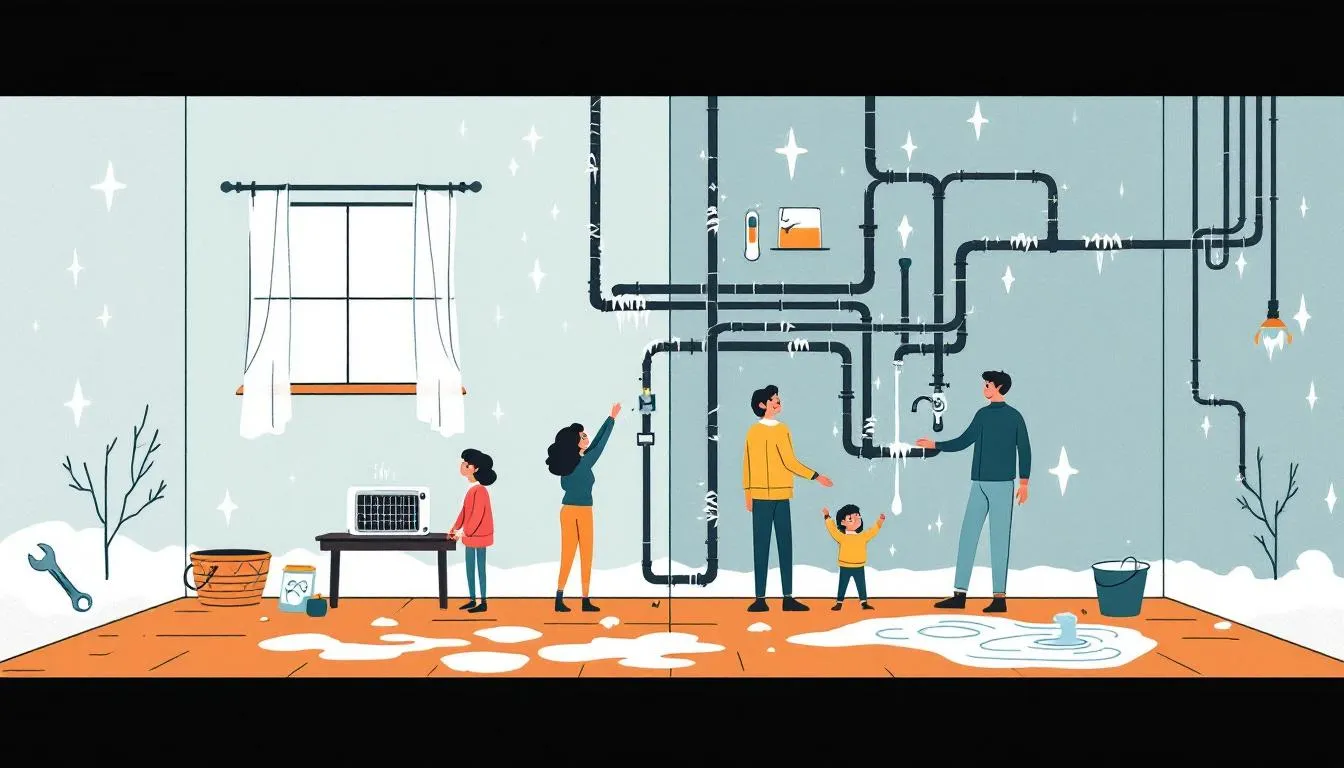
Few homeowners realize the extensive property damage that can result from frozen pipes. When water in pipes freezes, it expands significantly. This expansion generates enormous pressure, which can lead to the pipe bursting. A burst pipe is more than just an inconvenience; it can lead to significant water damage, flooding, basement flooding, and costly repairs that could easily disrupt your winter months. Even a small crack in a frozen pipe can leak hundreds of gallons of water in a single day, turning a minor issue into a major headache.
Pipes typically freeze at temperatures around 20°F, but they can freeze even at higher temperatures if they are uninsulated. Pipes that are exposed in unheated spaces are especially at risk. This includes areas such as:
- basements
- attics
- garages
- exterior walls
The cold temperatures cause the water inside the pipes to freeze and expand, creating pressure that can lead to a burst. Therefore, insulating pipes and maintaining a consistent indoor temperature are crucial steps in preventing freezing inside these issues.
November is a critical time for homeowners to take preventative measures against frozen pipes. A professional plumbing inspection can help by:
- Identifying vulnerabilities in your plumbing system
- Highlighting areas that need additional insulation
- Detecting potential leaks that should be addressed before temperatures drop further
Taking these steps now can save you from dealing with costly damage and significant disruptions later on.
Essential November Checklist to Prevent Frozen Pipes
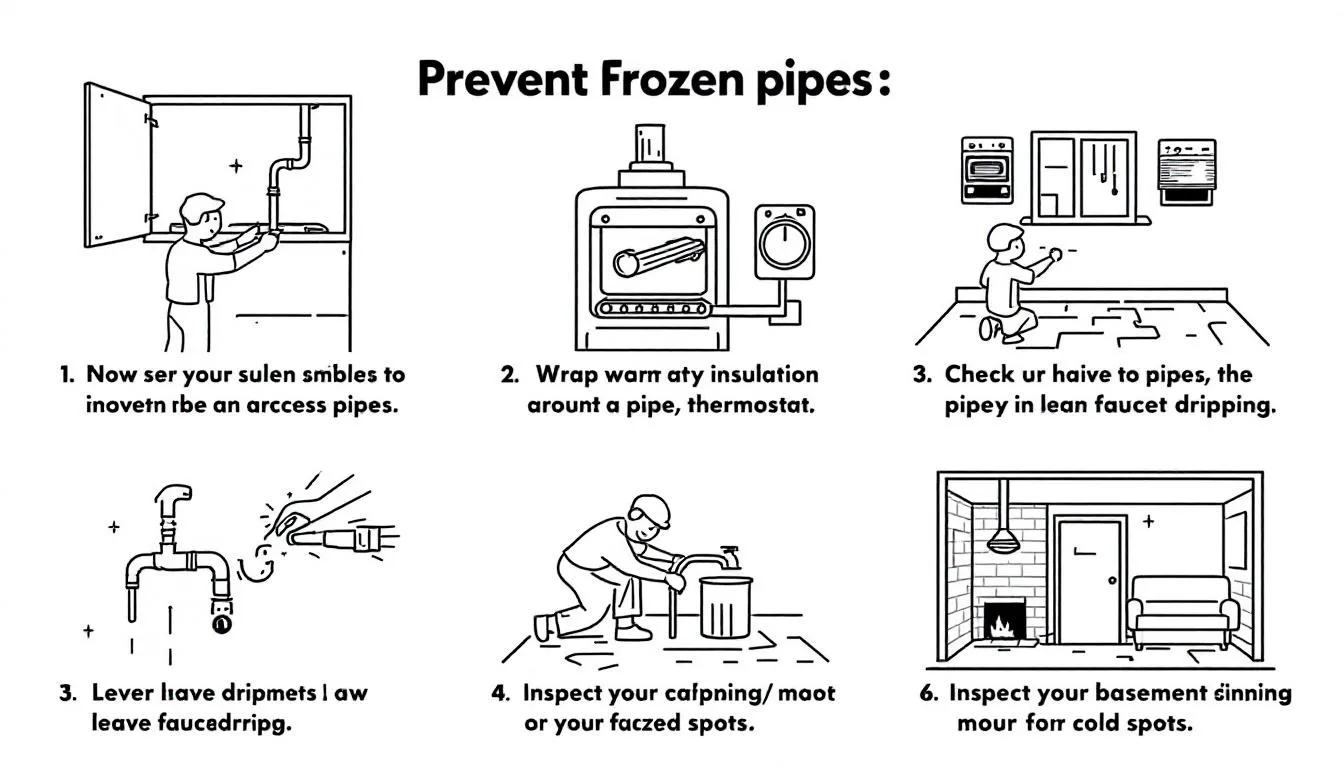
As we move into November, it’s time to start thinking about how to protect your home’s plumbing system from the impending cold weather. A comprehensive checklist can help ensure that you don’t miss any crucial steps. Preventing frozen pipes involves more than just keeping your home warm; it requires a multi-faceted approach that addresses all potential vulnerabilities.
This checklist includes:
- Insulating exposed pipes
- Sealing gaps and cracks
- Keeping garage doors closed
- Opening cabinet doors
- Disconnecting garden hoses
- Maintaining a consistent indoor temperature
Each of these steps plays a vital role in safeguarding your protect pipes from freezing temperatures and preventing costly plumbing problems.
Insulate exposed pipes
One of the most effective ways to prevent frozen pipes is to insulate exposed pipes. Pipes in unheated areas are especially at risk of freezing. This includes locations such as basements, attics, garages, and exterior walls. Using foam sleeves or heat tape can provide the necessary insulation to keep these pipes warm. Foam insulation is highly effective in retaining heat, making it a practical solution for exposed pipes in unheated spaces. For a temporary fix, you can even use an old towel and duct tape to wrap around the pipe.
Insulating pipes is not just about preventing cold air from reaching them; it’s about creating a barrier that helps retain the heat within the pipes. This is especially important for pipes running through exterior walls or those close to the water heater. Investing in proper pipe insulation now can save you from the hassle and expense of dealing with burst pipes later on. Additionally, it’s wise to insulate pipes to further enhance energy efficiency.
Additionally, consider using heat tape for pipes that are particularly at risk. Heat tape can be plugged into an outlet and provides consistent warmth along the length of the pipe, ensuring that the water inside does not freeze. This method is especially useful for pipes located in extremely cold areas or those that have frozen in the past.
Seal gaps and cracks
Sealing gaps and cracks around your home is another crucial step in preventing frozen pipes. Cold drafts can easily enter through small openings, exposing your pipes to freezing temperatures. Even a small crack can make all the difference, allowing cold air to reach unprotected pipes and increasing the risk of small leaks to seal cracks.
To seal these gaps, use caulk or expanding foam around windows, doors, and any other areas where cold air might enter. Pay special attention to areas where pipes enter or exit your home, as these are common points of vulnerability. By sealing these gaps, you can significantly reduce the risk of your pipes freezing and bursting.
Keep garage doors closed
Keeping your garage doors closed is a simple but essential step in protecting your pipes from freezing. Garages often house water supply lines and other plumbing components that can be exposed to cold air when the doors are left open.
Keeping the garage door closed retains warm air inside, helping to prevent cold air and protecting any pipes from freezing.
Open cabinet doors
Opening cabinet doors under sinks can make a significant difference in preventing frozen pipes. This simple action allows warmer air from your home to circulate around the pipes, reducing the risk of freezing. During extremely cold weather, open the cabinet doors in your kitchen and bathroom to ensure that warm air can reach the pipes located under sinks.
However, be cautious and ensure that there are no open flames or other hazards nearby when you leave cabinet doors open. This preventive measure is particularly important during cold snaps when the temperature drops significantly, as it can help you avoid the costly repairs associated with burst pipes.
Disconnect garden hoses
Disconnecting garden hoses before the first freeze is essential to prevent frozen pipes because:
- When hoses are left connected, water can remain trapped inside them.
- Trapped water can freeze, leading to ice formation.
- Ice formation increases pressure on the pipes.
- Increased pressure can result in burst pipes and significant water damage. Additionally, it is important to disconnect hoses to avoid these issues.
To prevent this, disconnect and drain all outdoor hoses before the temperatures drop. Also, shut off the water supply to outdoor faucets drip and drain water from any remaining water. These steps protect your plumbing from the risks of freezing outdoor water lines.
Maintain consistent indoor temperature
Maintaining a consistent indoor temperature is crucial to prevent pipes from freezing. Set your thermostat set to at least 55°F, even if you are away from home for an extended period. This helps ensure that your home’s plumbing system stays warm enough to prevent freezing.
Additionally, consider using a space heater in particularly cold areas of your home where pipes are located. Consistent indoor heating not only helps keep your home warm but also ensures that your plumbing system runs smoothly throughout the winter.
Advanced Preventative Measures
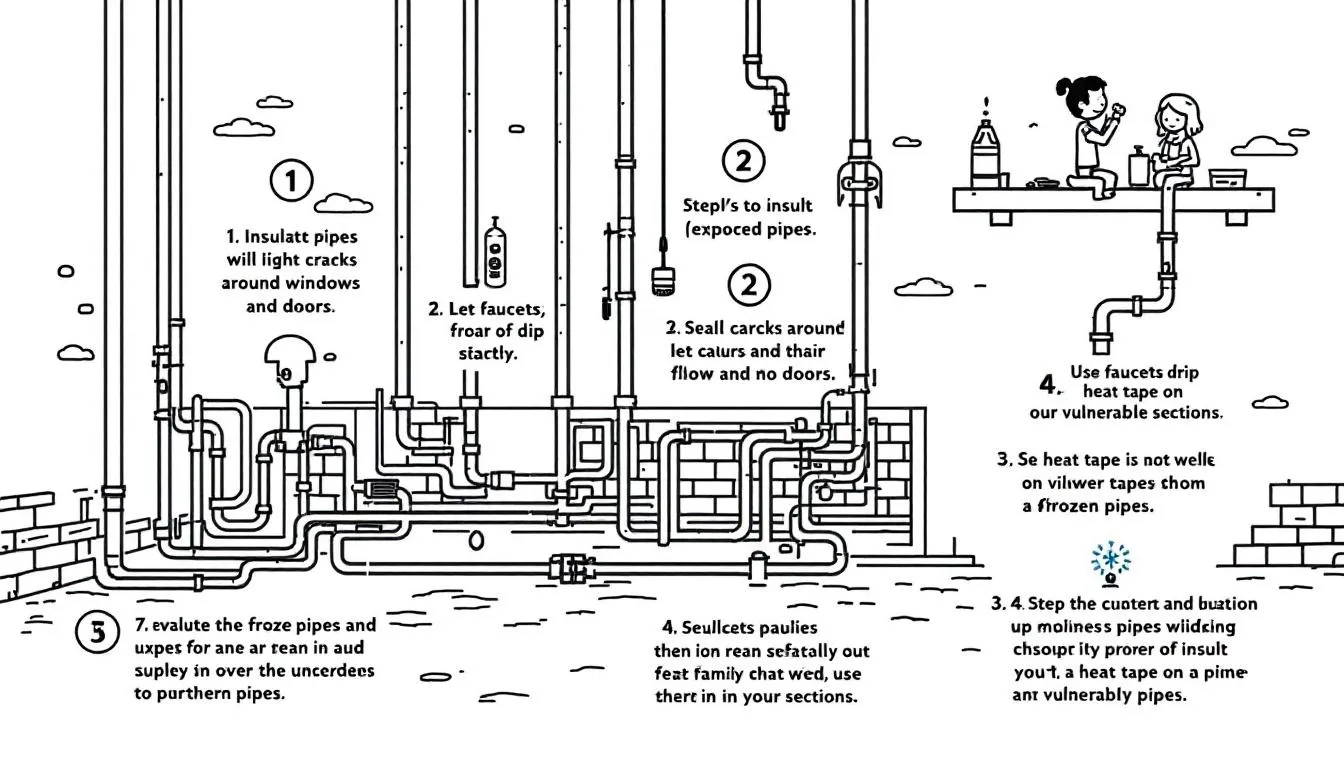
Advanced preventative measures offer extra protection for those looking to prevent frozen pipes even further. These techniques are especially useful for homes in areas that experience extremely cold weather or for homeowners who have previously dealt with frozen pipes.
Advanced measures include installing pipe heating cables, scheduling a professional plumbing inspection, and closely monitoring weather forecasts. These steps can help you stay ahead of potential issues and ensure that your home’s plumbing is well-protected against the cold.
Install pipe heating cables
Installing pipe heating cables is an effective way to prevent frozen pipes in extremely cold weather. Key points include:
- These cables provide direct warmth to the pipes, ensuring that the water inside does not freeze.
- Heat cables can be plugged into an outlet.
- They should be applied along the length of the pipe for consistent warmth.
This method is particularly useful for pipes located in unheated areas or those that have previously frozen. By using heating cables, you can provide an additional layer of protection and significantly reduce the risk of burst pipes during winter.
Schedule a professional plumbing inspection
A professional plumbing inspection is crucial for preparing your home for winter. A professional plumber can identify potential problem areas in your plumbing system, such as leaks, insufficient insulation, or vulnerable pipes. They can also provide expert advice on improvements and preventive measures to ensure your plumbing system runs smoothly throughout the cold months.
Proactive measures and addressing vulnerabilities now can prevent costly repairs and prepare your plumbing for winter. A professional inspection can give you peace of mind and help protect your home from the risks associated with frozen pipes.
Monitor weather forecasts
Keeping an eye on winter weather forecasts is essential for winter preparedness. Staying informed about potential extreme cold spells and the upcoming cold snap allows you to take timely action to protect your pipes.
Keep track of local weather alerts and be ready to implement additional preventative measures, such as increasing indoor heating or insulating vulnerable areas, based on the forecasts.
How to Handle Frozen Pipes
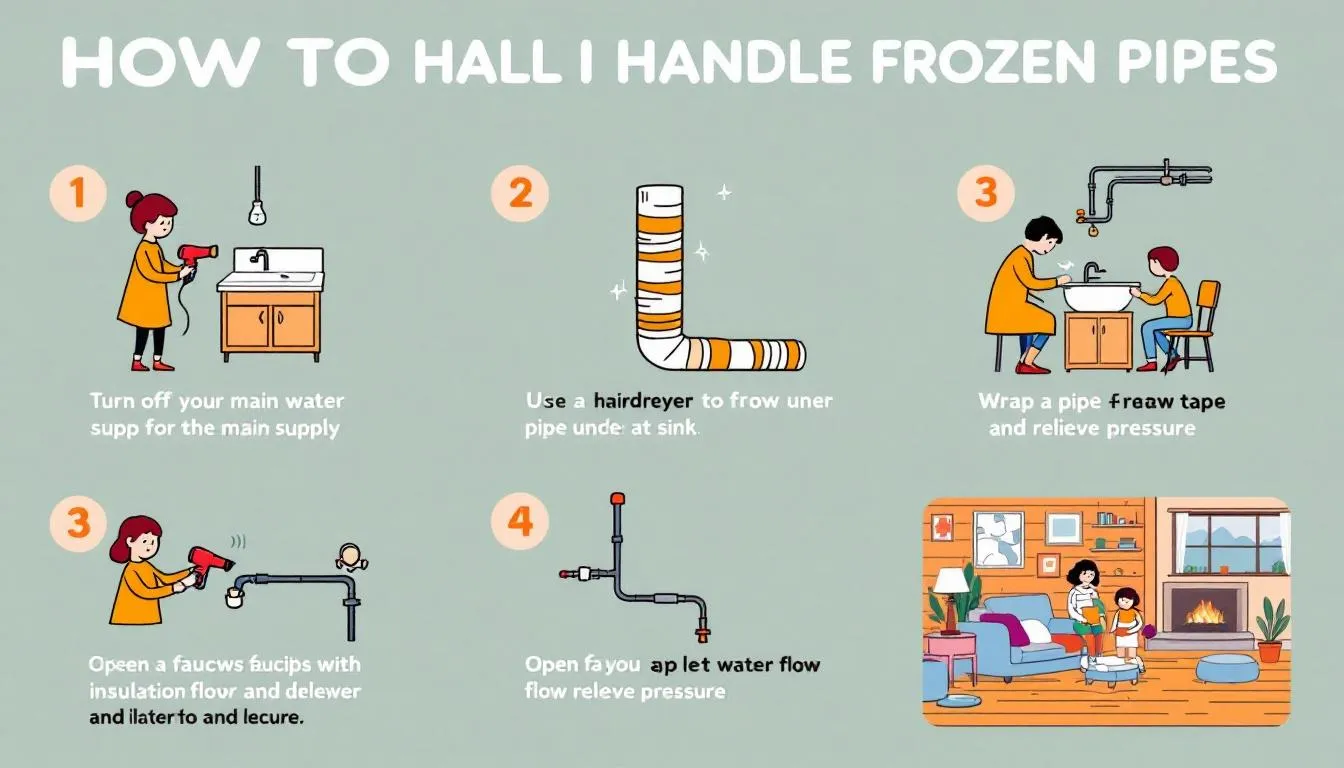
Despite your best efforts, there may be times when pipes still freeze. Knowing how to handle frozen pipes can prevent further damage and help you restore your plumbing system quickly. Immediate action is crucial to minimize the risk of burst pipes and water damage.
If you suspect a frozen pipe, keep the tap open to aid the thawing process. Slowly apply heat and monitor the pipe for leaks to safely thaw frozen pipes.
Thaw frozen pipes safely
Thawing frozen pipes safely requires patience and the right tools. Using an electric hair dryer or wrapping the pipe in warm towels are effective methods for gradually applying heat, including hot water. Avoid using open flames, as they can damage the pipes and create a fire hazard.
Start thawing the pipe closest to the faucet and work your way down, ensuring that the water flowing has a clear path to flow out as it melts. This gradual approach increases the likelihood of successful thawing without causing additional damage.
Check for pipe bursts
After thawing a pipe, follow these steps:
- Check for any bursts.
- Look for signs of leaks, such as water stains, damp spots, or reduced water pressure.
- If you find a burst pipe, turn off the main water supply immediately to prevent further water damage.
Contact a professional plumber to assess the damage and make necessary repairs. Addressing burst pipes promptly can prevent extensive water damage and costly repairs.
Summary
In summary, taking proactive steps in November can significantly reduce the risk of frozen pipes and the associated damage. By following our checklist, insulating exposed pipes, sealing gaps, keeping garage doors closed, opening cabinet doors, disconnecting garden hoses, and maintaining a consistent indoor temperature, you can protect your home’s plumbing system from freezing.
Advanced measures like installing pipe heating cables, scheduling a professional plumbing inspection, and monitoring weather forecasts provide additional layers of protection. If frozen pipes do occur, knowing how to thaw them safely and checking for bursts can prevent further damage. Stay prepared, stay warm, and enjoy a worry-free winter.
Frequently Asked Questions
At what temperature should you let your faucets drip?
You should let your faucets drip when temperatures drop to 20 degrees Fahrenheit or lower, as this is the threshold where pipes may freeze. Taking this precaution can help prevent costly plumbing damage.
Why is November a critical time for preventing frozen pipes?
November is critical for preventing frozen pipes because it signals the start of cold weather, prompting the need for proactive measures to protect your plumbing before temperatures plunge. Taking action now can save you from costly repairs later.
What is the most effective way to insulate exposed pipes?
The most effective way to insulate exposed pipes is by using foam sleeves or heat tape, as these materials retain heat and prevent freezing in unheated areas. Implementing these methods will greatly enhance the protection of your plumbing system.
How can I tell if a pipe has burst?
To determine if a pipe has burst, look for water stains, damp spots, reduced water pressure, or pooling water in unusual areas. If you notice these signs, promptly turn off the main water supply to prevent further damage.
Are there any easy steps I can take to prevent pipes from freezing?
Absolutely, keeping garage doors closed, opening cabinet doors under sinks, and disconnecting garden hoses are effective steps to prevent pipes from freezing. Implementing these measures can help protect your plumbing during cold weather.