The holiday season is a time for celebration and family gatherings, but it also brings unique risks to your home. From fire hazards due to decorations and heating to increased theft risks while you travel, being prepared can make all the difference. In this article, you’ll find essential insurance tips to protect your home during the holidays: insurance tips for seasonal hazards effectively.
Key Takeaways
- Prioritize fire safety by inspecting holiday lights, keeping Christmas trees hydrated, and maintaining fireplaces to minimize fire hazards during the holiday season.
- Enhance home security by installing security systems, using smart technology, and avoiding sharing travel plans on social media to protect against potential burglaries.
- Review and increase your home insurance coverage to account for holiday-specific risks, and keep a detailed inventory of valuables to simplify future insurance claims.
Holiday Fire Safety
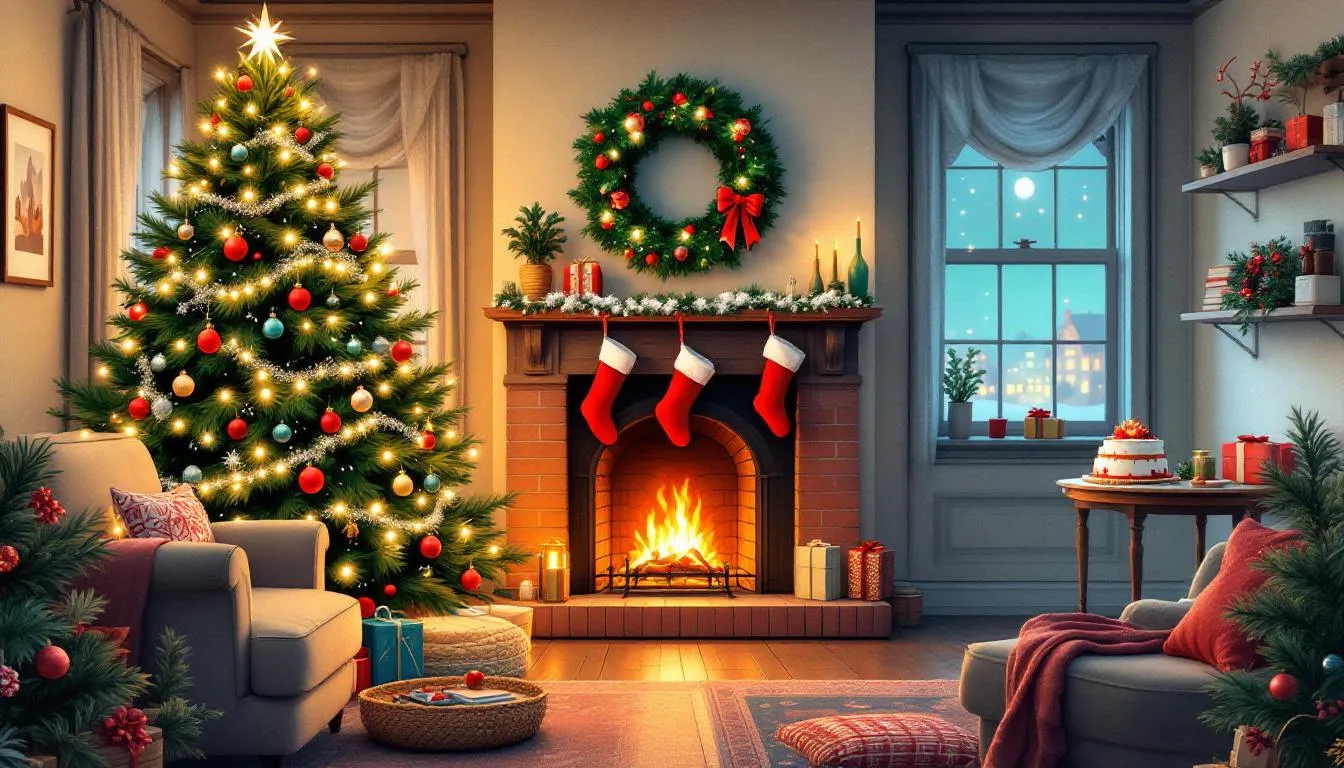
The holiday season is a time of celebration, but it also brings increased fire risks. Potential fire hazards include flammable objects such as:
- Holiday lights
- Candles
- Christmas trees
- Fireplaces. Awareness and preventive measures are crucial to safeguard your home from holiday hazards, accidents, and property damage.
By understanding and mitigating these risks, you can protect your home and loved ones from the devastating effects of home fires.
Safe Use of Holiday Lights
Holiday lights add sparkle and joy to our homes, but they can also pose significant fire hazards if not used properly. Inspect your holiday lights annually for any damage, such as damaged wires or pinched cables.
To prevent electrical fires:
- Use UL-approved, undamaged lights and extension cords.
- Replace any faulty lights and sockets.
- Consider using flameless LED candles as a safer alternative to traditional candles.
Christmas Trees and Fire Hazards
Christmas trees are a quintessential part of holiday decorations, but they can also be a major fire risk. Electrical issues account for nearly one-third of Christmas tree fires, so it’s vital to inspect and use holiday lights properly.
Regularly watering your Christmas tree can significantly reduce the risk of it catching fire. Keep your tree away from heat sources and ensure it’s properly secured to prevent accidents.
Fireplace and Heater Safety
Fireplaces and heaters create a cozy atmosphere during the holidays, but they also pose fire risks. To prevent fires:
- Always keep space heaters at least three feet away from flammable materials.
- Ensure your fireplace is well-maintained.
- Use a screen to prevent sparks from escaping.
Installing smoke alarms and having a fire extinguisher on hand, along with smoke detectors, can provide added safety.
Preventing Burglary During Holiday Travels
The holiday season brings often involves travel plans, leaving homes unattended and vulnerable to burglaries on Christmas Eve. Holiday gifts piling up and families traveling make homes prime targets for break-ins, diminishing the holiday spirit.
Increase home security measures to deter burglars and keep your property safe.
Home Security Systems
Enhance safety during the holiday season by installing a comprehensive home security system with cameras and alarms. A modern home security system offers 24/7 monitoring, providing peace of mind when you’re away.
Visible security measures, such as cameras and alarm systems, can deter potential burglars from targeting your home.
Smart Home Technology
Smart home devices offer benefits such as:
- Remote monitoring and control
- Enhanced access control
- Real-time video footage These features help homeowners keep an eye on their property. Integrating smart home technology not only enhances security but also provides peace of mind during the busy holiday season.
Light Timers and Social Media Caution
Timers for lights can simulate activity, making the house less attractive to burglars. These timers can effectively simulate occupancy by turn lights on and off, making it less obvious that a home is unoccupied.
Additionally, avoiding social media posts about travel plans can help protect against burglars who might exploit that information.
Weather-Related Precautions
Winter weather brings its own set of challenges and potential risks to your home, especially during freezing temperatures. Frozen pipes and roof damage are significant issues that can lead to costly repairs and property damage.
Recognize the risks of winter weather and take extra precautions to protect your home.
Preventing Frozen Pipes
Frozen pipes can burst and cause flooding, leading to extensive water damage. Insulate pipes in unheated areas and allow faucets to drip to prevent freezing.
Taking these precautions can save you from the consequences of burst pipes and the headache of dealing with water damage.
Roof Maintenance
Maintaining your roof is crucial during winter to protect against roof damage and prevent ice dams. Clogged gutters can lead to the formation of ice dams, which can cause significant damage, including water leaks and structural damage.
Keeping your roof clear of debris and maintaining gutters can help avoid these issues and protect your home.
Attic Inspection
Attic insulation is crucial during winter as it prevents warm air from escaping, which helps in avoiding uneven melting of snow on the roof and reduces the risk of ice dams, making all the difference.
Annual heating system inspections ensure safety and prevent related risks.
Ensuring Adequate Insurance Coverage
Review your home insurance policy before the holiday season to avoid surprises and ensure adequate coverage. Homeowners face increased risks from holiday decorations and outdoor decorations, and more visitors, making it crucial to have adequate insurance coverage.
An insurance agent can help assess your coverage needs based on holiday-specific risks.
Reviewing Your Policy
Ensure your homeowner’s insurance policy covers holiday-specific risks by reviewing it during the holidays. Understanding your insurance policy can inform decisions about additional required coverage during the holidays.
Verify that recent upgrades and high-value items are included in your coverage for adequate protection.
Increasing Coverage Limits
Increase insurance coverage limits during the holidays to adequately protect your assets. The value of personal property typically rises during the holidays due to gifts, making it essential to have higher coverage limits.
This coverage is vital for protecting gifts and personal belongings that might be lost or stolen while away from home during holiday shopping.
Consulting Your Insurance Agent
Consult with your insurance agent during the holidays to ensure adequate coverage. Your agent can help assess whether your current coverage is sufficient for the potential risks that arise during the holiday season.
They may recommend policy adjustments to protect against holiday-specific risks, offering peace of mind.
Liability Protection During Holiday Gatherings
Holiday gatherings bring joy and togetherness, but they also increase the risk of accidents. Homeowners insurance typically includes liability protection that can cover injuries to guests on your property during holiday gatherings.
This coverage helps manage financial responsibilities if a guest is injured during a holiday event.
Personal Liability Coverage
Homeowners insurance personal liability coverage can protect hosts from costs associated with party-related injuries. This coverage can help pay for medical expenses and legal fees if a guest is injured on your property, providing financial protection during holiday gatherings.
Medical Expenses Coverage
Personal liability coverage can cover medical expenses and damages if guests are harmed on your property. Homeowners insurance often includes medical payments coverage for guest injuries, regardless of fault.
This coverage alleviates some financial burdens on the homeowner’s insurance.
Legal Fees
Homeowners insurance may cover legal fees and related costs if a host is sued due to a holiday event accident, depending on the policy. This coverage can reduce the financial strain on the homeowner if faced with a lawsuit stemming from an incident on their property.
Extra Coverage Options for Added Peace of Mind
Unique risks during the holiday season may necessitate extra insurance coverage options. Homeowners insurance policies should cover a range of holiday-related risks such as:
- Fire
- Water damage
- Theft
- Vandalism
An insurance agent can help homeowners assess coverage needs based on holiday-specific risks and increased property value.
Umbrella Insurance
Umbrella liability insurance offers extra protection beyond standard homeowner’s policies for lawsuits or claims. This insurance offers extended liability coverage, crucial during events like holiday gatherings where risks may increase.
Off-Premises Theft Coverage
Off-premises theft coverage protects gifts and personal items from theft during the holiday season, even when away from home. This coverage is designed to safeguard personal items that are stolen while you are away from home, such as gifts or electronics.
Water Back-Up Coverage
This coverage addresses damages caused by water issues like sewer backups, which are not included in standard policies. It is critical for homeowners to protect against costly damages from sewage or drain backups that can occur unexpectedly.
Keeping a Detailed Inventory
A comprehensive inventory simplifies proving losses, making insurance claims more efficient. Descriptions, photographs, and receipts for major purchases ensure all personal items are accounted for, expediting claim settlements.
Documenting High-Value Items
Keep records of high-value items including appraisals, photographs, and purchase receipts. Detailed descriptions and appraisals ensure accurate insurance claims.
Regular Updates
Update your inventory regularly as new valuables are acquired. Reviewing your inventory ensures it remains accurate and reflects your current possessions, making a difference in the event of a claim.
Summary
By following these insurance tips, you can protect your home from seasonal holiday hazards and enjoy a worry-free holiday season. From fire safety and burglary prevention to weather-related precautions and ensuring adequate insurance coverage, these measures provide comprehensive protection for your home and loved ones.
As you prepare for the holiday season, take the time to review your insurance policies, inspect your home for potential risks, and implement the necessary precautions. A safe and secure home allows you to fully embrace the holiday spirit and create lasting memories with your loved ones.
Frequently Asked Questions
What insurance do I need for a holiday home?
You need a separate homeowners insurance policy for your holiday home, which includes dwelling coverage, personal property protection, and liability protection. It’s crucial to ensure it specifically addresses risks relevant to the property’s location and intended use, especially if you rent it out.
How can safety measures in your home impact your home insurance premium?
Implementing safety measures, such as a comprehensive security system, can effectively lower your home insurance premium by reducing the risk of theft, vandalism, and damages. Insurers typically reward homeowners who proactively enhance their security, leading to potential savings on premiums.
Why is it important to review my insurance policy before the holiday season?
It is crucial to review your insurance policy before the holiday season to ensure you have adequate coverage for increased risks, such as fire hazards from decorations and potential thefts during travel. This proactive approach helps protect you and your property during a time when risks may be heightened.
What are some key precautions to prevent holiday fires?
To prevent holiday fires, inspect holiday lights for damage, keep heat sources away from Christmas trees, regularly water live trees, and use fireplaces and heaters safely. These precautions will help ensure a safer holiday season.
How can I protect my home from burglaries while I’m away for the holidays?
To effectively protect your home from burglaries while you’re away for the holidays, install a comprehensive home security system, utilize smart home devices for remote monitoring, and set light timers to create the illusion of occupancy. Additionally, avoid sharing your travel plans on social media to maintain your home’s security.