
Preparing your home for winter is crucial to avoid the high costs and headaches of winter damage. This November, consider these preparing your home for winter insurance tips for November to ensure your insurance covers issues like burst pipes and roof damage. Find out how to get your home and policy ready for the cold months ahead with these actionable tips.
Key Takeaways
- Ensure your homeowners insurance policy covers winter-related risks such as burst pipes, ice damage, and roof load from snow, along with reviewing coverage limits and adding winter-specific riders.
- Document your home’s condition with photos and videos before winter to assist in potential insurance claims, while also scheduling professional inspections for roofs, heating, and plumbing systems.
- Implement weatherproofing measures, prepare for power outages with backup heat sources, and maintain outdoor areas to prevent winter-related hazards and ensure your home remains secure and operational.
Review Your Homeowners Insurance Policy

With winter on the horizon, ensuring your homeowners insurance policy is current and covers winter-specific issues like heavy snow, ice, and freezing temperatures is crucial. Winter-related risks such as burst pipes and roof damage can be expensive, so proper coverage is necessary for peace of mind.
Winter-specific coverage is often overlooked. Make sure your policy covers common winter damages to avoid unexpected costs. Verify coverage for issues like ice dam formations, which can lead to significant water damage, and ensure your policy addresses the heavy snow load on your roof.
Coverage Limits Check-Up
Before winter, thoroughly review your coverage limits. Winter preparation can affect the eligibility and costs of insurance policies, so ensure your limits are adequate to cover potential damages.
Contact your insurance company to discuss any necessary adjustments to your liability coverage, which can protect you against claims from third parties for injuries or property damage caused by winter hazards.
Add Winter-Specific Riders
Consider adding riders to your insurance policy to cover unique winter weather risks. Riders for ice dam coverage and sump pump overflow protection can offer extra security during colder months.
Discuss with your insurance provider to identify any gaps in coverage and ensure your home is well protected against winter storms and heavy snow.
Document Your Home’s Condition
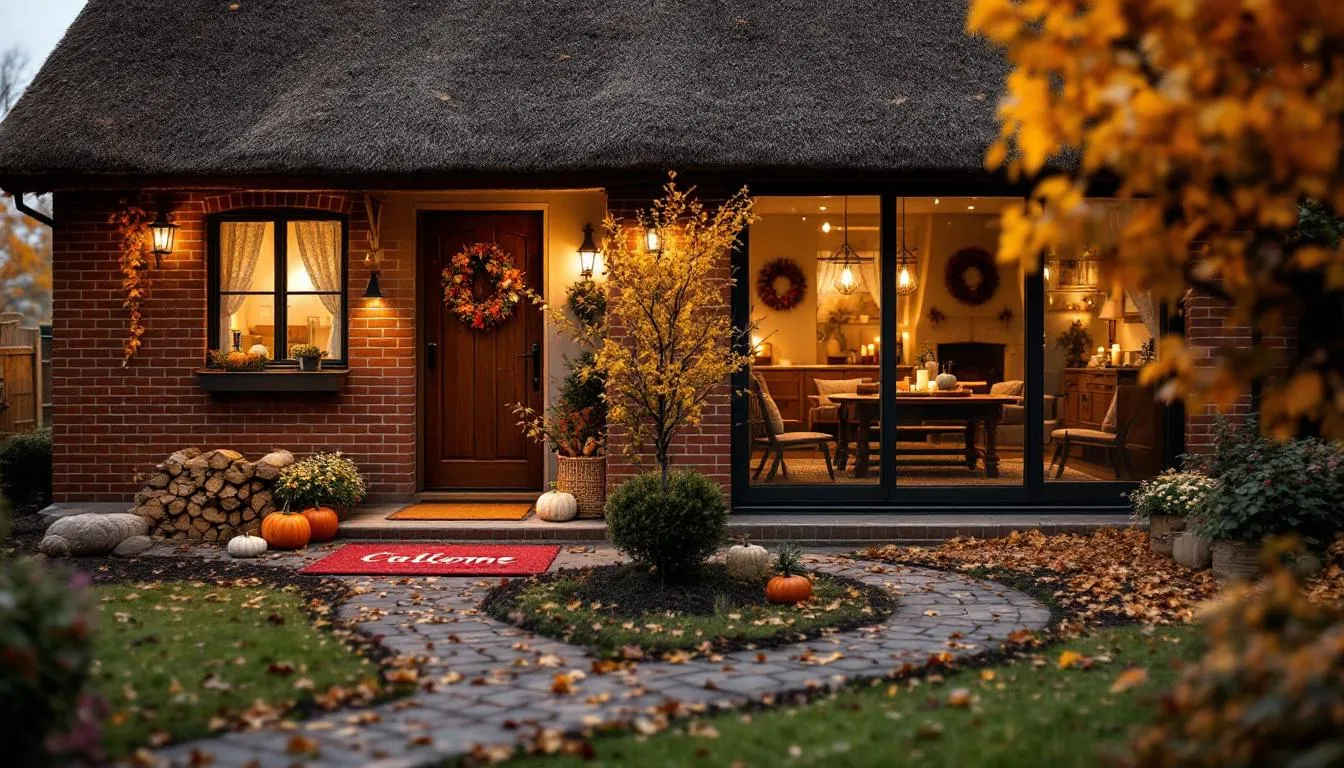
Documenting your home’s condition before winter is vital for potential insurance claims. Detailed photos and videos of your home can provide essential evidence if you need to file a claim for winter-related damages, making the claims process smoother and more efficient.
Regular updates to your documentation, especially before winter, ensure you have accurate records. This habit can save trouble with insurance claims and help identify and address any vulnerabilities before they become bigger problems.
Exterior Documentation
Begin with documenting the exterior of your home, including:
- the roof
- gutters
- exterior walls
- outdoor faucets
This inspection helps identify vulnerabilities to winter weather, like loose shingles or deteriorated flashing.
Taking clear photos of gutters and any existing damage or wear can aid in insurance claims if issues arise during the winter months.
Interior Documentation
Next, document the interior of your home, focusing on plumbing and heating systems. Capturing images of plumbing systems, especially vulnerable areas, provides crucial evidence of their state before winter.
Additionally, documenting the condition of heating systems ensures they are functional and ready for the colder months, helping to avoid breakdowns during winter.
Schedule a Professional Inspection
A professional inspection before winter can identify potential issues that might become costly problems. Hiring experts to inspect:
- your roof
- gutters
- heating systems
- plumbing can prevent unexpected breakdowns and damages.
Schedule these inspections well in advance to ensure your home is winter-ready. This proactive approach can save time, money, and stress by addressing issues before they escalate.
Roof & Gutters
Inspect your roof and clean gutters thoroughly to maintain their health and avoid winter issues. Look for loose or damaged shingles, deteriorated flashing, and debris in gutters. Cleaning gutters before winter helps to prevent ice dams and water damage.
Regularly inspect trees for dead branches that could break under heavy snow or ice and cause property damage.
Heating Systems
Perform preventive maintenance on heating systems before winter to ensure they work optimally. Check air filters, the thermostat, and listen for unusual noises. Regularly changing air filters enhances efficiency and air quality.
Installing carbon monoxide detectors is crucial, especially in homes using gas heating systems to prevent carbon monoxide buildup.
Plumbing & Insulation
Inspect and insulate plumbing to prevent pipes from freezing and bursting. Insulate exposed pipes in unheated areas and drain pipes after turning off the main water supply.
Draining water from appliances can also prevent freezing and damage during winter.
Implement Weatherproofing Measures
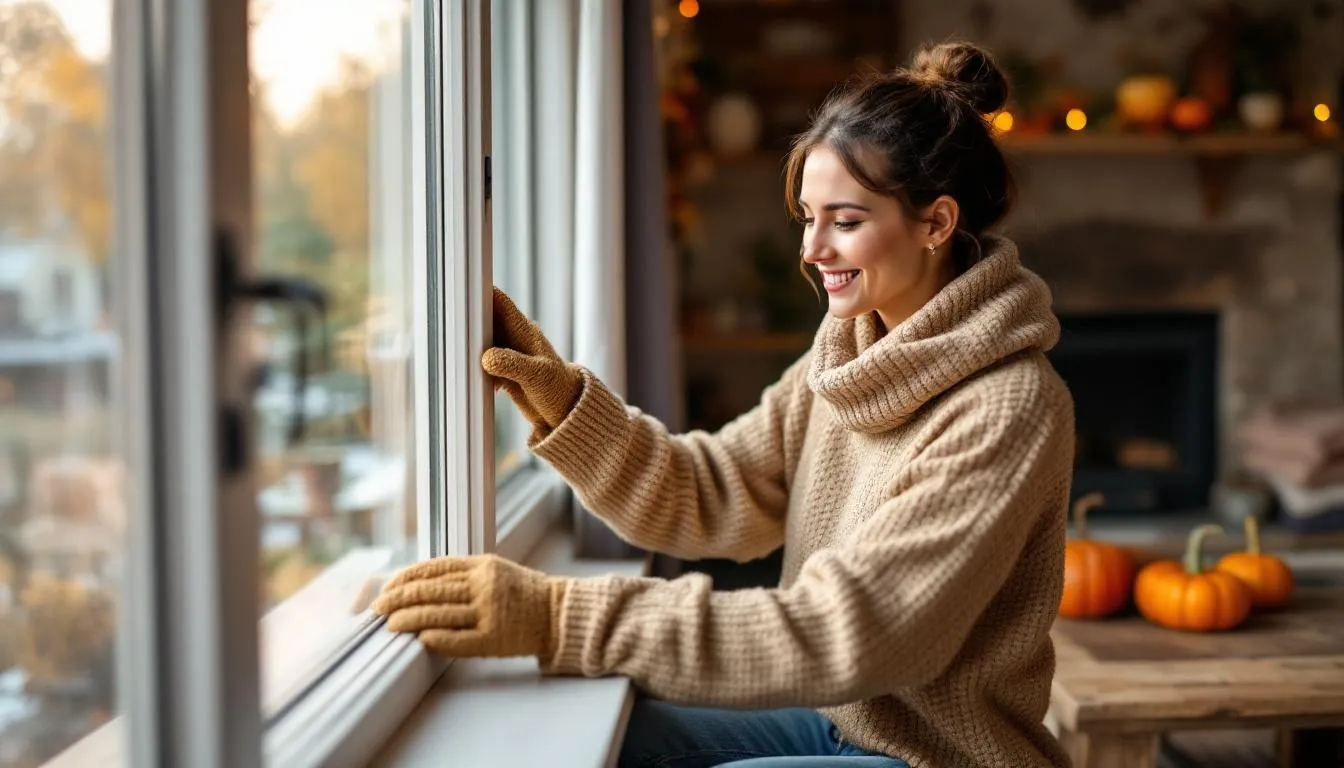
Weatherproofing your home for winter can significantly protect it from winter weather. Seal gaps around windows and doors, insulate exposed pipes, and install storm windows to prevent drafts and maintain warmth inside.
These measures not only help maintain a comfortable indoor temperature but also reduce heating costs and prevent potential damages caused by freezing temperatures when temperatures drop.
Seal Windows & Doors
Seal windows and doors to prevent drafts and ensure warmth during cold months. Use weather stripping or caulk to seal gaps around windows and doors to seal drafts.
For weatherproofing, consider the following:
- For movable components like doors and operable windows, use good quality weather stripping.
- For stationary cracks and gaps, caulk is suitable.
- For a quick fix on drafty doors, a draft snake can be used.
Insulate Exposed Pipes
Insulate pipes in unheated areas to prevent freezing and potential pipe bursts. Foam pipe sleeves offer an affordable option for protection.
This simple measure can save you from costly repairs and ensure a reliable water supply during winter.
Install Storm Windows
Installing storm windows creates an additional barrier against cold air, improving overall energy efficient and reducing heat loss.
This step, combined with proper insulation, significantly enhances your home’s protection against severe winter weather.
Prepare for Power Outages
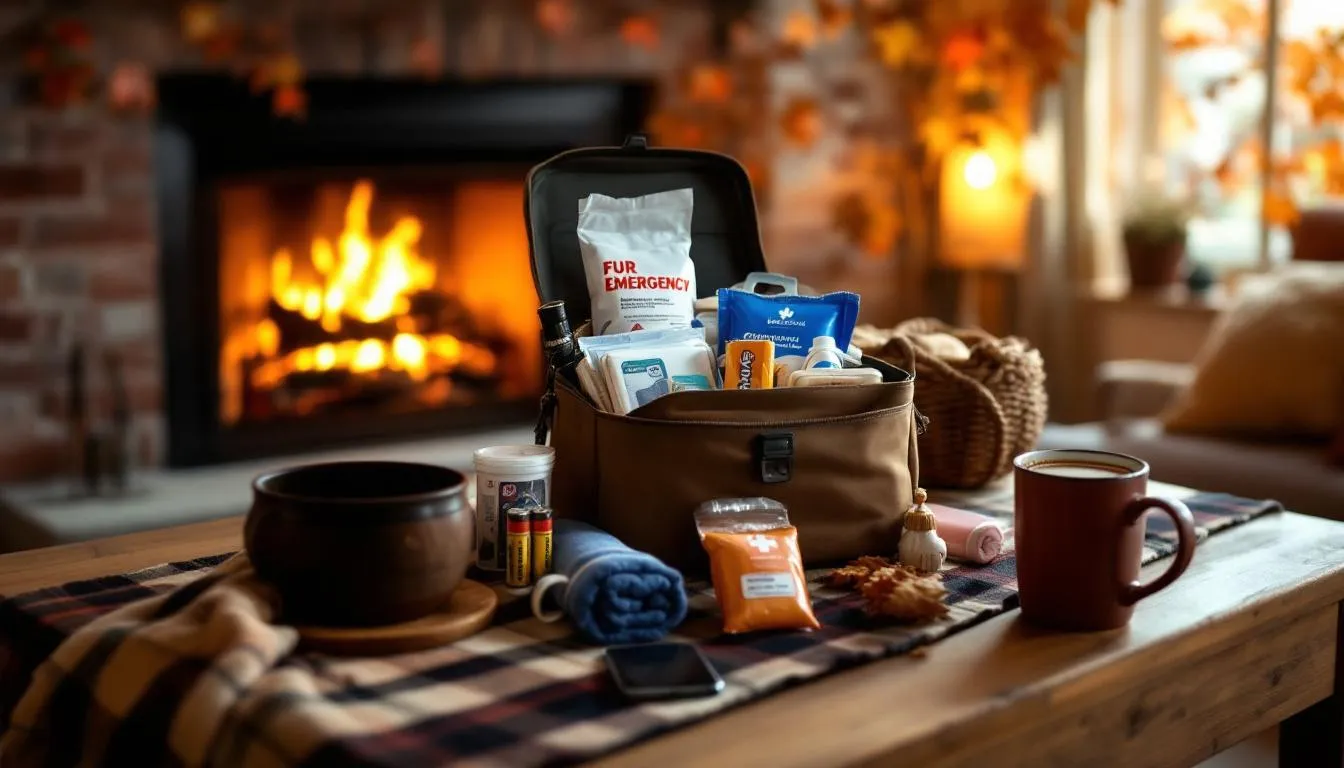
Winter storms can lead to power outages as winter approaches, so preparation is key. Develop a plan to keep your family stay warm and safe, including backup heat sources and a well-stocked emergency kit.
Preparation ensures that even if the power goes out, you can maintain a comfortable and safe environment for your well prepared home.
Backup Heat Sources
Generators are reliable backup heat sources during power outages. Place them at least 20 feet away from your home for safety, and ensure proper transfer switches are installed.
Portable heaters powered by safe fuel sources, such as propane or kerosene, are also effective alternatives to a heat source.
Emergency Kit Essentials
An emergency kit is essential for winter preparedness. Include:
- One gallon of water per person per day for three days
- Non-perishable food
- Flashlights
- Batteries
- First aid supplies
- Emergency blankets
- Extra warm clothing for comfort during winter storms.
Regularly check expiration dates, replace batteries, and update supplies at least once a season.
Maintain Outdoor Areas
Maintaining outdoor areas prevents winter hazards. Key tasks include:
- Clearing sidewalks within 24 hours after snowfall
- Ensuring proper drainage to prevent flooding from rapid snowmelt
- Removing leaves and debris from gutters and outdoor areas to prevent blockages.
Regular maintenance can protect your property from winter hazards and reduce the risk of costly repairs.
Trim Trees & Remove Debris
Trim trees before winter to prevent damage from falling branches. Focus on branches hanging over the roof or power lines, and remove leaves begin and debris from gutters and outdoor areas to avoid blockages.
Snow Removal Equipment
Make sure your snow removal equipment is ready to remove snow for winter. Check and maintain the snow blower and snow shovel to ensure they work properly. Use non-abrasive ice melt products to protect outdoor surfaces during snow removal.
Properly cleaning and sealing wooden decks before winter can also help protect them from snow and ice damage.
Test Safety Devices
Testing safety devices should be a regular part of winter preparation. Ensure all safety devices, especially smoke and carbon monoxide detectors, are functioning properly. Check the batteries to make sure they are not depleted and can alert you in an emergency.
Regular tests of safety devices can help ensure that your home is adequately protected against potential winter hazards, making it a vital winter preparation task.
Smoke & Carbon Monoxide Detectors
Check smoke and carbon monoxide detectors before winter. Change the batteries in smoke detectors annually and in carbon monoxide detectors at least twice a year to ensure they remain functional.
Carbon monoxide detectors should be placed near sleeping areas to provide early warnings of dangerous gas presence, and regular inspections of all detectors are necessary.
Fire Extinguishers
Fire extinguishers should be accessible and regularly inspected to ensure readiness in case of an emergency. Ensure they are easily accessible and in good condition.
Fire extinguishers should be inspected monthly for pressure and functionality to ensure they are ready for use if needed.
Update Contact Information
Keeping your insurance company informed with current contact details ensures prompt communication during emergencies. Inform your insurance company about any changes to your contact details to facilitate immediate communication.
Having up-to-date contact information ensures that you can quickly reach out to essential service providers and emergency contacts when needed.
Local Service Providers
To prepare for emergencies, consider the following steps:
- Ensure your insurance company has up-to-date contact information for quick communication.
- Update your list of emergency contacts, including local plumbers and electricians for urgent repairs.
- Store this information in an easily accessible location.
Emergency Contacts
Updating your emergency contact list ensures quick assistance during winter emergencies. Include names, phone numbers, and addresses of those who can assist you.
Include neighbors and family members on your emergency contact list to ensure support during winter storms, and keep contact details for local service providers, such as plumbers and electricians, for urgent repairs.
Plan for Absences
Preparing a house to be vacant during winter prevents damage. Winterization steps protect against risks of theft, heating or electrical system failures, and bursting water pipes.
An updated list of emergency contacts ensures someone can act on your behalf if urgent situations arise while you’re away. Include both family members and trusted neighbors for timely communication during emergencies.
Shut Off Water Supply
Homeowners should turn off the main water supply before leaving for winter. After shutting it off, drain the pipes to prevent any remaining water from freezing.
Shutting off the main water supply and draining pipes are necessary precautions for homeowners leaving for extended winter periods to prevent burst pipes.
Thermostat Settings
Maintain a minimum temperature of 55°F to prevent freezing pipes. Even if away, set your programmable thermostat to at least 55°F to avoid frozen pipes.
This simple step can prevent costly damage and ensure your home remains safe during your absence.
Consider Additional Coverage Options

Homeowners in snowy regions should consider additional insurance coverage options to protect against winter hazards. Flood insurance is crucial for properties prone to flooding from melting snow. Review and possibly increase liability coverage to protect against accidents caused by icy walkways or other hazards.
Ensuring your insurance coverage is comprehensive and tailored to your specific needs can provide peace of mind and financial protection during the winter months.
Flood Insurance
Consider flood insurance if you live in an area prone to melting snow and ice that can melt ice. Standard homeowners insurance does not cover flood damage, so obtaining flood insurance is essential to protect your home.
Liability Coverage
Liability coverage in homeowners insurance protects against claims from third parties for injuries or property damage. In winter, icy walkways and other hazardous conditions can lead to injuries, making strong liability coverage crucial.
Homeowners should review their liability coverage and consider increasing it to ensure protection against winter accidents.
Summary
Preparing your home for winter involves a comprehensive approach that includes reviewing your insurance policy, documenting your home’s condition, scheduling professional inspections, and implementing weatherproofing measures. Additionally, preparing for power outages, maintaining outdoor areas, testing safety devices, updating contact information, planning for absences, and considering additional insurance coverage options are essential steps. By taking these proactive measures, you can ensure your home is well protected and your family stays safe and comfortable throughout the winter months.
Frequently Asked Questions
Why is it important to review my homeowners insurance policy before winter?
It is crucial to review your homeowners insurance policy before winter to ensure it adequately covers winter-specific risks like heavy snow and freezing temperatures. This proactive step safeguards you against potentially expensive repairs caused by winter-related damages.
What should I include in my winter emergency kit?
Your winter emergency kit must include a gallon of water per person per day for three days, non-perishable food, flashlights, batteries, first aid supplies, emergency blankets, and extra warm clothing. Ensuring these essentials are packed can help you stay safe and prepared during winter emergencies.
How often should I test my smoke and carbon monoxide detectors?
It is essential to change the batteries of smoke detectors annually and those of carbon monoxide detectors at least twice a year. Regular inspections should be conducted to ensure all detectors function correctly.
What are the benefits of installing storm windows?
Installing storm windows improves energy efficiency by creating an additional barrier against cold air, thereby reducing heat loss. This measure also enhances your home’s protection against severe winter weather.
Why should I consider adding flood insurance to my policy?
Adding flood insurance to your policy is crucial, especially if you reside in areas susceptible to melting snow or ice, as standard homeowners insurance does not cover flood damage. This coverage safeguards your property against potential flooding risks that might arise.