
Key Takeaways
- The most serious safety risks during summer come from ordinary activities like grilling, swimming, and hosting outdoor parties, not just severe weather events.
- Overlooked hazards such as backyard grill fires, unsupervised pools, and faulty outdoor electrical setups frequently lead to guest injuries and expensive liability risks.
- Simple, proactive steps like creating safe grill zones, locking pool gates, and fixing trip hazards dramatically reduce the most common summer accidents.
- Reviewing your homeowners and liability coverage before peak summer entertaining season helps ensure you’re protected when something goes wrong.
- This article walks through 5 summer safety risks homeowners commonly miss, with concrete prevention tips for each.
Hidden Summer Safety Risks Around Your Home
Summer 2026 brings longer days, more backyard pool parties, and a packed calendar of outdoor gatherings. While these activities provide endless summer fun, they also quietly increase safety risks around your home in ways most people never consider.
Many homeowners focus on large-scale threats like hurricanes or heat advisories. But data consistently shows that the majority of summer injury claims stem from routine activities: grilling, entertaining guests, and unsupervised swim time. Foodborne illnesses increase during outdoor meals in summer, pest infestations can rise with warmer weather, dehydration can occur if children do not drink water regularly, and 1 in 3 parents do not reapply sunscreen on cloudy days. Children need sunscreen with at least SPF 15 to stay protected. These everyday oversights add up.
Think of it this way: a small June cookout with a grill pushed against vinyl siding can melt the siding and ignite nearby shrubs. A July 4th gathering with a loose deck board becomes a sprained ankle and a liability claim. These are the summer home risks you might be overlooking, and below we’ll cover 5 summer safety risks homeowners should address before holidays like July 4th, Labor Day, and neighborhood block parties. Summer homes face unique hazards like grilling and fire risks during summer, and a few simple precautions go a long way. Safety audits can mitigate injury and liability risks at summer homes, and summer homes require regular maintenance to prevent costly repairs.
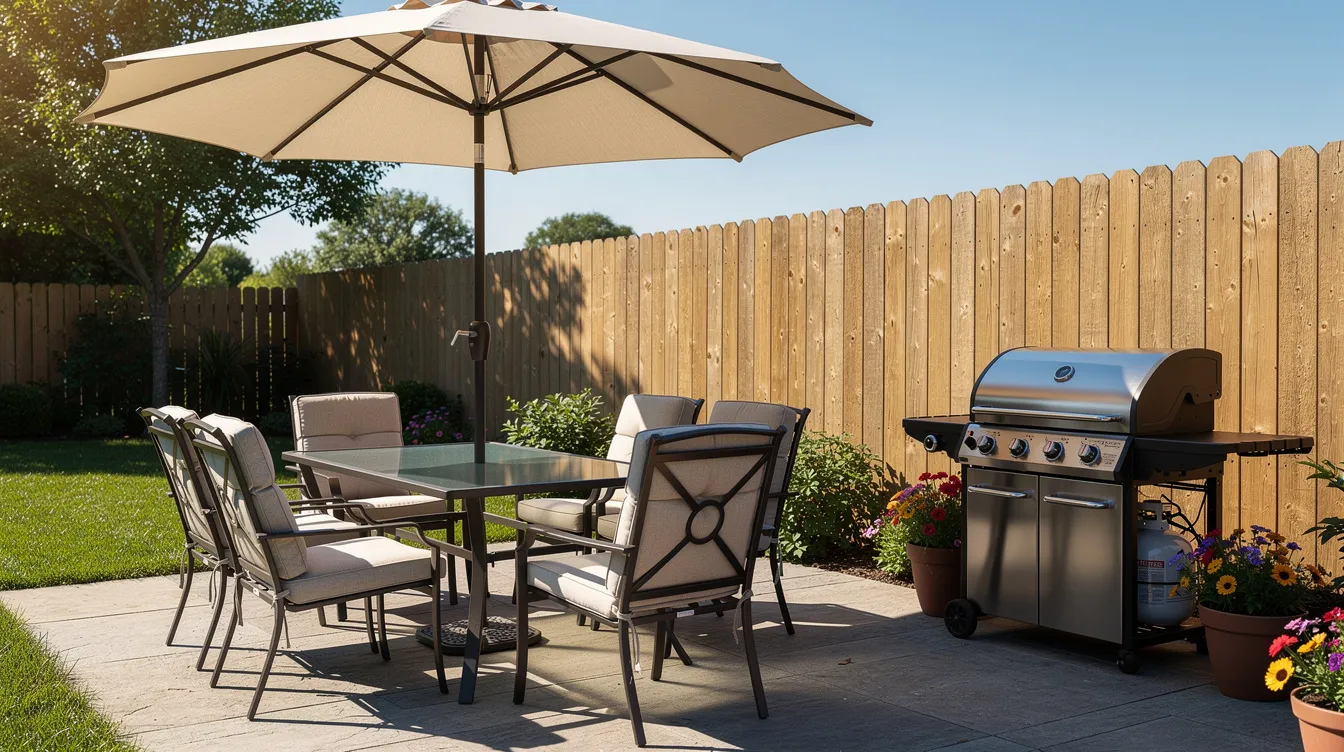
Backyard Grill Fires and Outdoor Cooking Hazards
Backyard grill fires spike between Memorial Day and Labor Day. According to NFPA data, U.S. fire departments respond to roughly 12,141 home fires involving grills each year, resulting in about 15 deaths, 171 injuries, and $241 million in property damage. Backyard grill fires grilling accidents peak in July, making outdoor cooking one of the most serious safety risks of the season.
Common causes of backyard grill fires include:
- Grills placed too close to siding, wooden decks, or fences
- Grease and fat buildup in drip pans (responsible for ~20% of grill fires)
- Leaving a grill unattended while cooking
- Lighting gas grills with the lid closed, causing gas accumulation
A single flare-up can melt vinyl siding, ignite deck boards, or spread to dry shrubs and patio furniture. Gas grills account for about 76% of grill-related home fires because persistent fuel lines allow flames to reach nearby structures.
Prevention steps every homeowner should follow:
- Grills should be at least 10 feet from structures, deck railings, fences, and overhanging branches.
- Clean grease trays regularly to prevent fires, and inspect burners at the start of each season.
- Never leave a grill unattended while cooking. Always keep a fire extinguisher accessible during grilling, ideally an ABC-rated extinguisher mounted near the back door.
- Keep a metal lid handy to smother grease fires. A spray bottle of water works for minor flare-ups but never for grease.
- Open the lid before lighting gas grills to prevent explosions.
If you have a built-in outdoor kitchen with gas lines and mini-fridges, your outdoor cooking equipment should be inspected annually for leaks, frayed hoses, and faulty igniters. Outdoor cooking is a summer staple, and these fire hazards are entirely preventable when homeowners create proper separation between grills and combustible materials.
Guest Injuries, Liability Risks, and Entertaining Outdoors
Most summer gatherings bring a surge of foot traffic to your property. Graduation parties in June, July 4th barbecues, and late-August send-off events all create conditions where guest injuries become likely if hazards go unaddressed.
The liability risks summer gatherings create are real. According to ISHN reporting, home injuries kill approximately 20,000 Americans per year, and falls alone cause roughly 5.6 million injuries annually. Many of these happen during hosting events.
Common hazards that cause guest injuries at summer gatherings:
- Uneven walkways can lead to guest injuries, especially on older pavers or flagstone paths
- Loose deck boards and missing handrails on porch steps
- Wet patio surfaces near sprinklers or pool splash zones
- Garden hoses, toys, or extension cords left across walkways
- Poor lighting increases the risk of accidents for guests, particularly after 8 p.m. in midsummer
Homeowners should repair trip hazards before hosting events. Do a “party walk-through” a few days before guests arrive: walk every route at dusk, checking for unstable steps, protruding nails, low-hanging branches, and poor lighting. Add solar path lights, motion sensors near side yards, and well-lit stairs to reduce slip-and-fall incidents in outdoor gathering areas.
Pet-related incidents can cause injuries during gatherings, so secure larger dogs before guests arrive. Have a safe, quiet room or crate ready for anxious animals.
Watch for yard game hazards too: poorly anchored volleyball nets, metal stakes for cornhole boards, and temporary extension cords running across lawns to outdoor speakers or decorative lighting all create trip points and can create shock and fire hazards.
To help homeowners protect guests and homeowners avoid preventable accidents, most standard homeowners insurance policies include liability coverage for guest injuries when negligence is found. Many also include “medical payments to others” coverage for smaller injuries regardless of fault. If you host frequently, ask your agent about umbrella policies. Whether you work with Mercury Insurance, an auto insurance company that also handles home coverage, or another multiple line insurance carrier, it’s worth verifying your policy limits. Your auto insurance provider may also offer bundled homeowner coverage. Some homeowners also carry commercial insurance if they rent their property, and mechanical protection insurance can cover appliance failures. Document all repairs with dates and photos as evidence of due diligence and to review liability coverage annually. Encouraging homeowners to take these steps reduces exposure significantly.
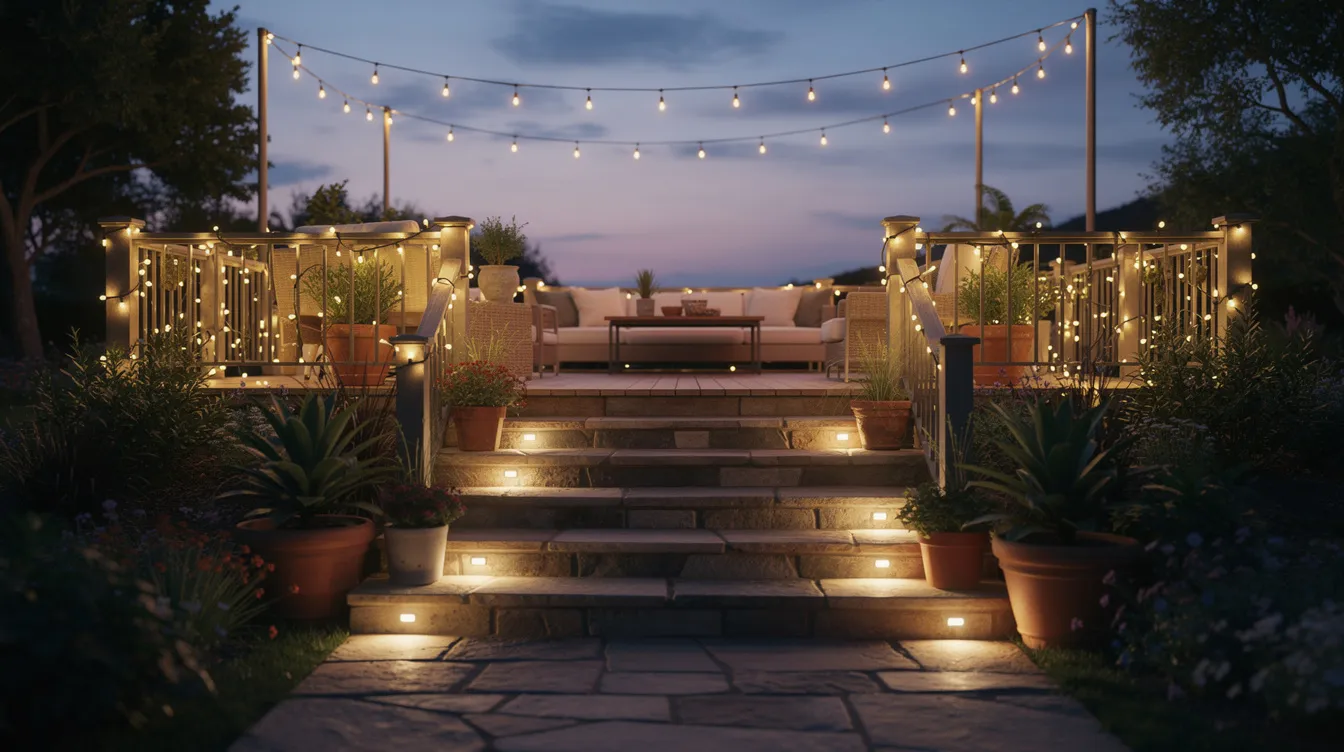
Unsupervised Pool Areas and Water-Related Safety Risks
Backyard swimming pools, hot tubs, and even large inflatable pools rank among the most serious safety risks homeowners face each summer, especially when visiting children are present. Drowning is a leading cause of death for young children. Roughly 379 fatal drownings and 6,700 non-fatal pool injuries occur annually among children under 15, with about 75% involving children younger than 5. Drowning remains silent and fast, often happening during barbecues or pool parties when adults assume someone else is watching.
Pool gates and barriers should be functioning properly. Research shows that proper pool fencing can reduce drowning risk by approximately 83%. Four-sided isolation fencing is even more protective than three-sided barriers.
Barrier and supervision essentials:
- Self-closing gates with self-latching hardware around in-ground pools, with latches at least 54 inches above grade
- Four-sided fencing at least 48 inches high (some states require 60 inches)
- Lockable ladders for above-ground pools and fitted covers for hot tubs
- Consider pool alarms and self-closing gates for safety as additional layers
- Active supervision is essential to prevent drowning in pools. Active supervision is essential whenever children are near water, making active supervision essential at every gathering. Designate one adult “Water Watcher” with no phone, trading off in 15–20 minute shifts
- Never leave children unattended near any body of water
Store pool chemicals like chlorine tablets and shock powder in labeled, sealed containers away from children, pets, and direct sunlight to prevent chemical burns and toxic fume exposure. Electrical connections should be kept away from pools to prevent electrocution. Carbon monoxide can be a risk from generators in summer if used near pool areas or enclosed spaces.
Keep rescue equipment nearby when using a pool. A reaching pole, life ring with rope, and a first-aid kit should be within arm’s reach. Post simple safety rules about diving, running, and glass containers.
Even small temporary pools should be fully drained and stored after use. Just a few inches of standing water can pose drowning and mosquito hazards. These items can provide endless summer fun when used responsibly, but only with proper precautions.
Outdoor Electrical, Fireworks, and Heat-Related Hazards You Might Miss
Beyond grills and pools, several lesser-known summer safety risks homeowners overlook can create significant safety problems: overloaded outdoor electrical outlets, casual fireworks use, and extreme heat stress on your home’s systems.
Outdoor electrical risks:
- Damaged cords can create shock and fire hazards. Inspect outdoor cords for cracks, brittleness, and wear before June. Replace any that feel hot or show damage.
- Check outdoor cords for wear and damage before use, and keep all electrical connections off wet ground using cord covers or cable clips.
- Avoid overloading electrical outlets. Overloaded outlets can lead to electrical fires, especially when daisy-chaining power strips for patio lights.
- Ensure all outdoor outlets have GFCI protection, which cuts power in as little as 1/40th of a second during current leaks. Add weatherproof outlet covers for outlets exposed to rain or sprinklers.
Fireworks and open flames:
- Check local laws before July 4th. Keep any legal consumer fireworks far from dry mulch beds, wood fences, vehicles, and nearby structures.
- Always have a hose or large bucket of water ready. To reduce fireworks related fires, soak used sparklers and spent fireworks in water before discarding to prevent smoldering debris from igniting garbage cans or sheds.
- For maximum safety, attend professional displays rather than using consumer fireworks at home.
Heat-related home stress:
- Attic temperatures can exceed 120°F in July and August, straining wiring insulation and creating fire hazards around stored flammable items like aerosols or paint.
- Older HVAC systems (10–15+ years) risk capacitor burnouts and short circuits under peak heat. Add surge protection for window AC units.
- UV exposure degrades hoses, wires, and outdoor equipment, making them brittle and prone to failure.
Weather-related damage is a risk for summer homes in scenic locations, and heavy humidity can cause unseen mold in vacant homes. Water damage from slow leaks can lead to structural damage and mold, and burst or leaking pipes can result in significant mold growth and damage. Unoccupied homes deteriorate faster due to exposure to elements, and vacant homes are vulnerable to burglary and vandalism. Vacant homes signal easy targets for theft and vandalism. Minor exterior issues can escalate into expensive repairs if ignored. Homeowners who identify potential hazards early in the preparation process prevent these cascading failures.
For those who own vacation or summer properties, there are additional considerations. Owning a summer home involves additional ongoing expenses, and recurring costs for summer homes include maintenance and property taxes. Many insurance policies are not automatically transferrable to vacation homes, and insurance policies should specifically cover vacant properties. Homeowner policies may limit coverage if left unoccupied for over 30 days, and claims may be denied if the home is vacant for an extended period. Failing to maintain a property can result in non-renewal of insurance, and insurance denials can occur based on wear and tear without maintenance. Insurance may exclude damage from neglect or lack of maintenance. Traditional homeowner policies typically do not cover floods or hurricanes, and renting a property may necessitate specific insurance coverage. Winterization of plumbing is essential to prevent burst pipes during cold months, and freezing temperatures require proper winterization to prevent burst pipes. Consult your insurance provider or the Consumer Product Safety Commission for additional home safety resources.
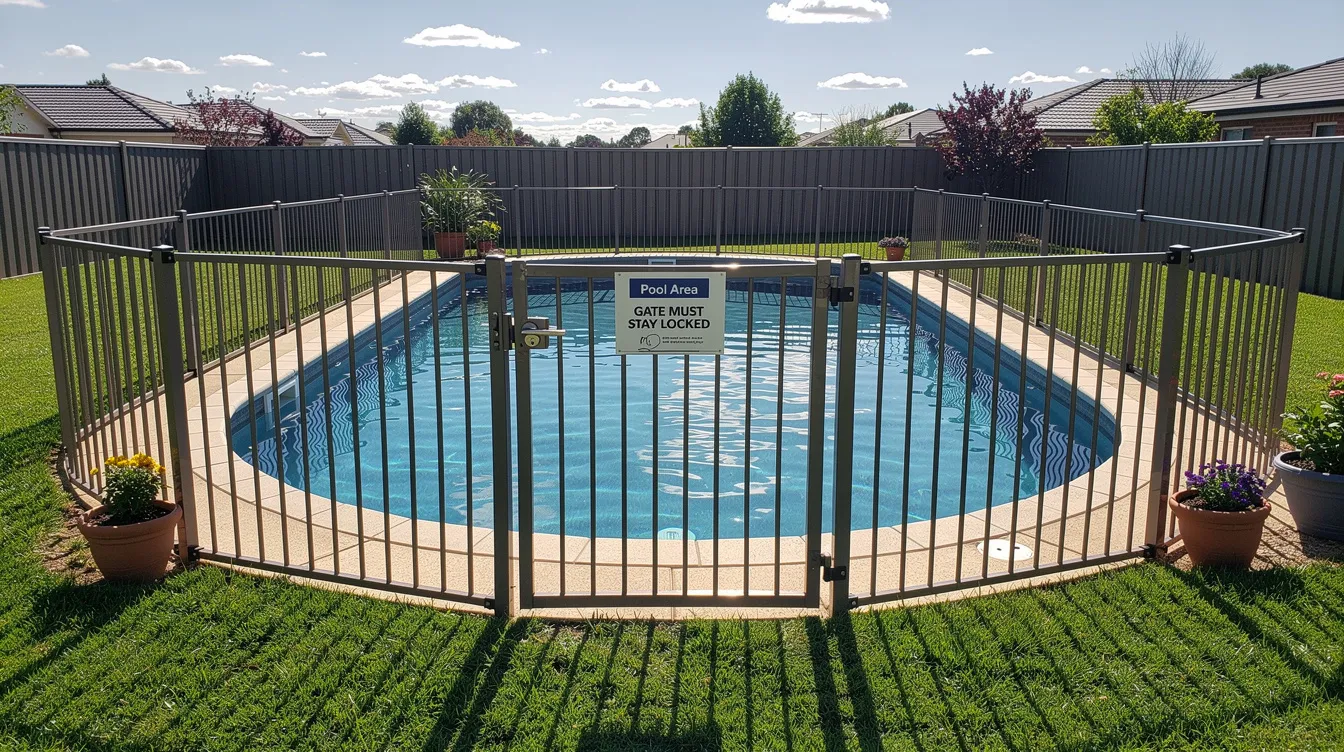
Before summer gatherings end, take time to walk your property, address what you find, and verify your coverage. A few simple safety checks completed before guests arrive can mean the difference between an enjoyable summer and a preventable disaster. Whether you’re reviewing your policy with an auto insurance carrier or doing a quick walkthrough before a neighborhood cookout, the goal is the same: homeowners create safer spaces when they act before problems occur. Make this the summer your gatherings enjoyable memories stay that way, and help reduce property risks across the board.
FAQ
What are the top 5 summer safety risks homeowners should focus on first?
The big five are: backyard grill fires, guest injuries from trip or fall hazards, unsupervised pool areas, outdoor electrical problems, and fireworks or open-flame use near structures and landscaping. Addressing these before major holidays like July 4th and Labor Day removes the most common sources of home damage and liability claims.
How often should I review my homeowners insurance for summer liability risks?
Review your homeowners and personal liability coverage at least once a year, ideally in late spring before peak season. Check limits for guest injuries, verify coverage for pools and trampolines, and ask whether an umbrella policy makes sense. If you host often, this step is essential for protecting your finances.
Are inflatable pools and slip-and-slides really a serious safety concern?
Yes. Large inflatable pools and water toys can lead to slips, falls, and drowning incidents if left filled and unsupervised. Always drain and store them after use, keep them away from hard surfaces like concrete, and supervise children closely while they are in use.
What quick safety check can I do before hosting a summer party?
Use this same-day checklist: test outdoor lighting, walk all guest routes for trip hazards, confirm pool gates latch properly, move grills at least 10 feet from the house, and secure pets. Print or save this list so you can reuse it for every gathering throughout the summer.
Do I need special equipment to make my backyard safer in summer?
Most improvements are simple and affordable: a properly rated fire extinguisher, basic first-aid kit, solar path lights, GFCI outlets, and secure pool barriers if applicable. Consistent use of these items paired with regular inspections and clear safety rules for guests has a bigger impact than expensive gear.