
Hurricane season runs June 1 through November 30, and most people assume their insurance policies will handle whatever a storm throws at them. The truth is far less comfortable. Here’s what you actually need to check, fix, and prepare before the next system spins up in the atlantic.
Key Takeaways
- Hurricane season starts June 1 and ends November 30, but insurance companies declare a moratorium once a storm is named, blocking new coverage or changes. Do your insurance checkup early, ideally in April or May.
- Standard homeowners insurance does not cover flood damage from hurricanes. A separate flood insurance policy through the national flood insurance program or a private carrier is required, and flood insurance requires a thirty-day waiting period before coverage kicks in.
- Many policies have separate, higher deductibles for wind or hurricane damage, often 2–10% of your dwelling’s insured value. Confirm these numbers and make sure your coverage limits reflect current rebuilding costs.
- Create an emergency plan with evacuation routes and contacts, and prepare a hurricane kit with essentials for at least three days without power.
- Document belongings now with photos and video, and secure important documents like birth certificates, insurance policies, and medical records in waterproof containers or digital formats.
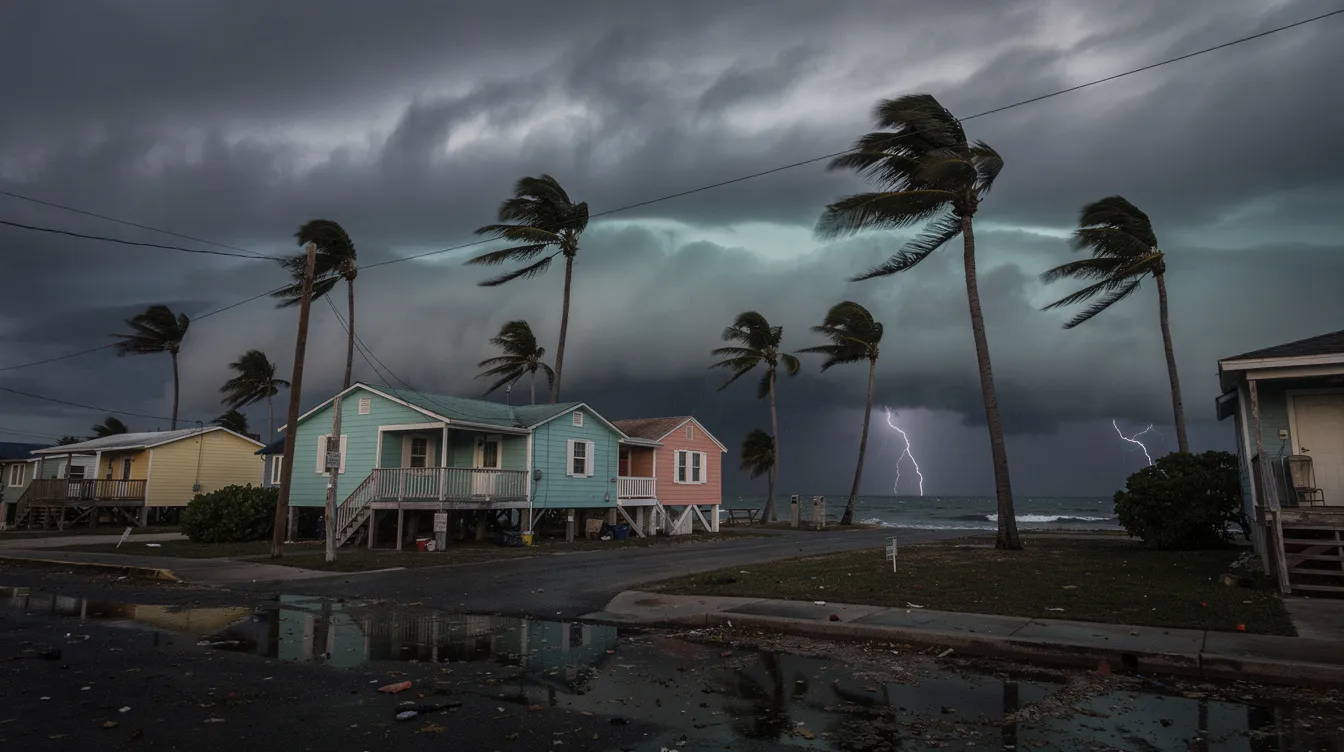
Why “Being Covered” During Hurricane Season Isn’t Automatic
Hurricane season begins June 1 in the atlantic, and NOAA’s 2025 outlook projected 13–18 named storms, including up to 5 major hurricanes. Those forecasts make early preparation critical.
Many homeowners assume their existing policy handles everything, but wind, flooding, and storm surge losses are often split across different policies with different deductibles, waiting periods, and exclusions. Insurance gaps can lead to unexpected financial losses during storm damage. A Category 1 hurricane that stalls over your town for 24 hours can cause catastrophic flooding even if hurricane force winds never reach your house.
Insurance companies often freeze changes once a storm is named. That means no new policies, no limit increases, no deductible adjustments. If you wait until tropical storms appear on the radar, you’ve likely waited too long. Stay informed with local news channels and weather apps for real-time updates during a storm threat, but handle your insurance checkup well before severe weather is in the forecast.
Check Your Homeowners Policy: Wind, Hail & Hurricane Deductibles
Your homeowners policy likely covers wind and hail, but probably applies a separate hurricane or named-storm deductible that’s far higher than your standard deductible. Review insurance coverage to ensure it reflects current rebuilding costs in your area.
Pull your Declarations Page and verify:
- Coverage A (Dwelling): Does the amount match what it would cost to rebuild your house today?
- Coverage B (Other Structures): Fences, sheds, garage doors, pool cages, and docks often have sub-limits or exclusions for windstorm.
- Coverage C (Personal Property): Confirm limits for contents inside the home.
- Coverage D (Loss of Use): Typically 20–30% of Coverage A, covering hotel costs, meals, and living expenses if your home becomes uninhabitable.
Here’s the math most people miss: a 5% hurricane deductible on a $400,000 dwelling means $20,000 out-of-pocket before the insurance company pays a dime. Contact your insurance agent in April or May to discuss adjusting deductibles, raising limits, or adding endorsements. Waiting until warnings are issued is too late.
Flood Insurance: The Coverage Most People Don’t Realize They Need
Standard homeowners insurance does not cover flood, storm surge, or water rising from the ground. Period. You need a separate flood insurance policy.
The national flood insurance program offers standardized coverage-up to $250,000 for building and $100,000 for contents on single-family homes. NFIP policies are sold through local agents and carry a 30-day waiting period from premium payment to effective date. Exceptions exist for new mortgage closings (no wait) and recent FEMA map revisions (1-day wait).
Even if you’re not in a FEMA high-risk flood zone, roughly 20–25% of NFIP claims come from moderate or low-risk areas. Flooding doesn’t respect zone lines when a storm stalls and dumps 20 inches of rain. Private flood carriers may offer higher limits and shorter waiting periods of 3–15 days, but can be more expensive.
Auto, Renters & Other Policies: Gaps You Might Be Overlooking
Storm season prep extends beyond your house. Your car needs comprehensive coverage-not just liability-to protect against flooding, fallen trees, and flying debris. If your vehicle is financed, the lender likely requires this, but if your car is paid off, comprehensive is optional and worth confirming now.
Renters insurance typically covers personal property damaged when wind or rain enters through a storm-damaged roof or windows and doors. It does not cover flood water rising from outside. Renters in any flood zone should consider a separate flood policy.
For boats, RVs, or trailers stored in driveways, verify where coverage actually resides-auto policy, homeowners, or a separate marine policy. Also confirm that policy start dates, deductibles, and lienholder information are current. One outdated mailing address can delay a claim for weeks.
Document What You Own Before the Wind and Water Hit
A home inventory helps speed up the insurance claims process dramatically. Treat this as a weekend project: walk room-by-room with your cell phone, record a slow video of contents, open closets, and narrate major items with estimated purchase years.
Store the digital inventory in at least two places-a cloud backup and a USB drive kept in a waterproof container. High-value items like jewelry, collectibles, and firearms may need scheduled coverage or endorsements, so confirm those are listed on your policy.
Gather critical documents-insurance policies, IDs, passports, vehicle titles, mortgage papers, birth certificates, and medical records-and keep them in a waterproof pouch inside your emergency kit.
Build a Realistic Hurricane & Emergency Plan for Your Household
A solid hurricane plan is as important as coverage and should be updated every year when hurricane season begins, especially for households with children, older adults, or pets.
To make an evacuation plan:
- Identify a primary and backup evacuation route using state DOT and local emergency management resources.
- Select an out-of-town meeting point and choose at least one person outside the region as a check-in contact. Share emergency contacts with all family members and loved ones.
- Know your evacuation zone and how to reach higher ground.
- Plan for special needs: refrigerated medications, powered medical equipment, school reunification procedures, and what to do if the family has only one vehicle.
Know the difference between hurricane watches and warnings. A watch means conditions are possible within 48 hours. A warning means expected within 36 hours. Evacuate if authorities issue an evacuation order-don’t wait. Monitor local news for hurricane updates and evacuation orders, and plug emergency alert apps into your phones.
Each May, review the plan as a family, print a one-page version for the fridge, and make sure everyone knows where the emergency kit is.
Supplies, Home Prep & What to Do With Lawn Furniture
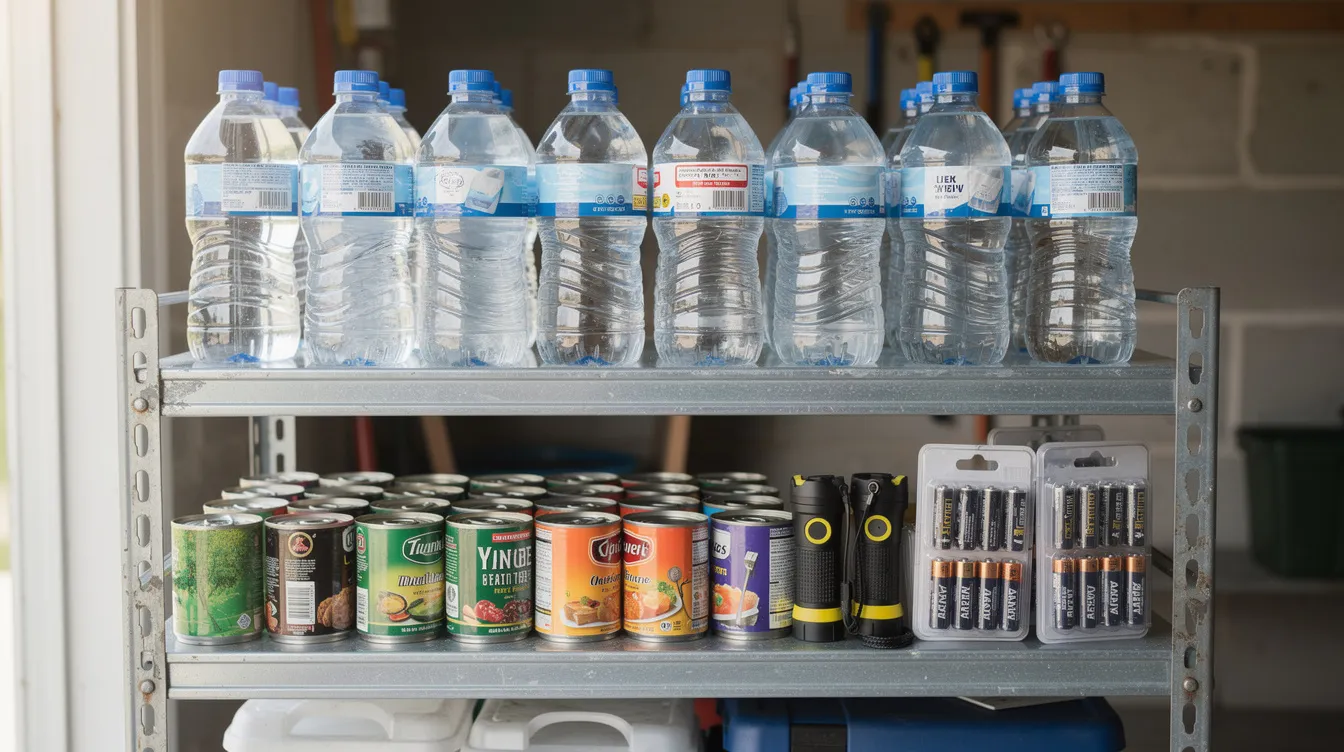
Emergency supplies tend to sell out in the days before landfall. Build your emergency kit and stock disaster supplies early. A hurricane kit should last at least three days.
Core kit contents:
- One gallon of water per person per day
- Non perishable food items like canned goods and granola bars (plus manual can opener)
- First aid kit and necessary medications
- Flashlights and extra batteries
- Battery or hand-crank noaa weather radio
- Power banks for charging devices
- Pet food, water, and supplies for pets
- Personal hygiene items, basic toiletries
Go-bag for quick evacuation:
- Copies of important documents
- Change of clothes, extra cash in small bills
- List of emergency contacts
- Perishable food alternatives like protein bars
Fill your car’s gas tank before warnings are issued-stations run dry fast. Keep the gas tank topped off throughout hurricane season.
Home prep-these are potentially life saving preparations:
- Trim trees and remove dead branches in late spring. Mitigating damage before a storm reduces the risk of massive structural repair.
- Clear gutters and drains before the first tropical system.
- Install or inspect storm shutters, or nail pieces of plywood over window frames. Secure windows and doors. Taping windows is ineffective-shutters or proper boarding actually protect against potential damage.
- Plan to bring lawn furniture, grills, and planters inside 24–36 hours before landfall. Unsecured outdoor items become flying debris in hurricane force winds.
After the Storm: Safety First and Navigating Insurance Claims
Post-storm safety comes before property inspection. Watch for downed power lines, gas leaks, contaminated floodwater, and unstable structures. Power outages may last days. Avoid running generators indoors and never wade through standing water where electricity may be present.
Claims sequence:
- Contact your insurance company as soon as it is safe. Have your policy number ready.
- Document damage with photos and video before moving or discarding items. It’s important to document damage with photos before starting repairs after a storm.
- Make reasonable temporary repairs-tarping a roof, boarding broken windows-to prevent further damage. Keep all receipts.
- Be cautious of contractors or public adjusters who appear quickly offering deals. Check licenses, avoid signing assignment-of-benefits agreements on the spot, and verify anyone claiming to represent your insurer.
If a claim dispute arises, your state’s department of insurance can help. Stay safe, protect your family, and don’t rush into contracts under pressure.
FAQ: Common Questions About Storm Season Coverage
When is it too late to adjust my insurance for an incoming hurricane?
Once a storm is officially named and forecast to impact your region, most insurers impose a moratorium blocking new policies, coverage increases, or deductible changes. Adjustments must be made days or weeks before a specific storm forms. Prepare your coverage well before hurricanes threaten.
Does homeowners insurance cover evacuation costs if I have to leave?
Loss-of-use coverage (Coverage D) may help with hotel and extra meal costs if a covered loss makes your home uninhabitable, but it typically does not pay for voluntary evacuation when no physical damage has occurred. Check your limits-they’re usually a percentage of your dwelling value.
How do I know if I really need flood insurance if I’m not in a high-risk zone?
Heavy rain, stalled storms, and overwhelmed drainage cause damaging flooding far outside FEMA’s highest-risk zones. Even a few inches of water can trigger tens of thousands of dollars in repairs. Contact your insurance agent to discuss whether a flood policy makes sense for your property.
What should I do if my claim payment seems too low to cover repairs?
Review the adjuster’s estimate line by line, gather independent contractor bids, and request a re-inspection or supplemental claim from your insurer. If you can’t resolve the disagreement, file a formal complaint with your state insurance department.
Can I make temporary repairs before the adjuster arrives?
Insurers generally expect and encourage reasonable temporary repairs to prevent further damage. Tarp the roof, board broken doors, and remove standing water if safe. Keep every receipt and take before-and-after photos to support your claim.