
As the days grow shorter and cooler weather settles in, many homeowners reach for hot apple cider and start thinking about the season ahead. But before you settle in, there’s work to do. Preparing your home for fall can prevent costly damage and keep your insurance coverage intact when you need it most.
Key Takeaways
- A smart fall home maintenance checklist protects your house and prevents denied or underpaid insurance claims.
- Insurers expect routine upkeep on your roof, gutters, and heating system; neglect can reduce payouts after a loss.
- Test smoke alarms and carbon monoxide detectors monthly, service your heating system, and winterize exterior faucets before November.
- Review your homeowners insurance policy every fall to confirm coverage for roof damage, water damage, liability, and outbuildings.
- Document your home and belongings with photos or video right after fall maintenance to make any future claim easier.
Why Fall Home Maintenance Matters for Your Insurance
The fall season brings a spike in claims for roof leaks, frozen pipes, and slip-and-fall accidents. Weather-related claims increase during colder months, and State Farm alone reported over 20,000 frozen pipe claims totaling more than $628 million in a recent year-an average payout above $30,000 per claim.
Here’s what catches homeowners off guard: insurers distinguish between “sudden and accidental” damage (usually covered) and long-term neglect (often excluded). Normal wear and poor maintenance generally aren’t covered by insurance. Seasonal home maintenance helps prevent claim denials related to neglect, making fall home maintenance tips a form of risk management. Homeowners should review insurance coverage due to seasonal risks before winter weather brings its worst.

Roof, Gutters, and Exterior: Protecting Your First Line of Defense
Fall storms and heavy winter snow can pressure roofs, making your home’s exterior the first place to inspect. In early October:
- Inspect your roof every three to four years for damage, checking for missing shingles, loose flashing, soft spots, or other debris in the gutters. Hire a roofer if yours is over 15–20 years old-older roofs often receive reduced payouts based on actual cash value rather than full replacement cost.
- Clean gutters at least twice a year to prevent clogs, water damage, and ice dams that may complicate claims. Wait until most leaves fall, then clear downspouts completely. Water damage from clogged gutters is often scrutinized by insurers.
- Check siding, brick, and foundation for small cracks or gaps. Seal them to keep out moisture and pests before the first hard frost.
- Photograph the roof and your home’s exterior after cleaning gutters and making repairs. This “pre-loss” evidence can protect you if a November windstorm or heavy snow later causes property damage.
Seal Windows, Doors, and Use Ceiling Fans Wisely
Sealing air leaks around windows and doors saves energy and shows reasonable care of your property from an insurer’s perspective. On a windy October day, run a hand along window and door frames to spot drafts. Check attic hatches, mail slots, and doors for gaps.
Seal windows and doors to keep cold air out using caulk, self-adhesive weatherstripping, and door sweeps at exterior thresholds. Add this to your fall home maintenance checklist for both comfort and protection.
Reverse ceiling fans to clockwise at low speed to push warm air down, easing the load on your heating system. These energy efficiency upgrades can sometimes qualify for insurance or utility savings where carriers reward home improvements.
Heat Safely: Your Heating System, Fireplace, and Detectors
Fall is the ideal time to prepare your heat sources before they run daily.
- Service your heating system annually for optimal performance and to reduce fire risks. Inspect your furnace once a year to prevent breakdowns: clean burners, check vents, and verify carbon monoxide levels.
- Replace air filters regularly to maintain heating efficiency and reduce strain on other appliances.
- Clean your fireplace and chimney before winter use. Annual sweeping removes creosote buildup, clears bird nests or debris, and ensures the flue is working properly. Store firewood at least 30 feet from your home to deter pests.
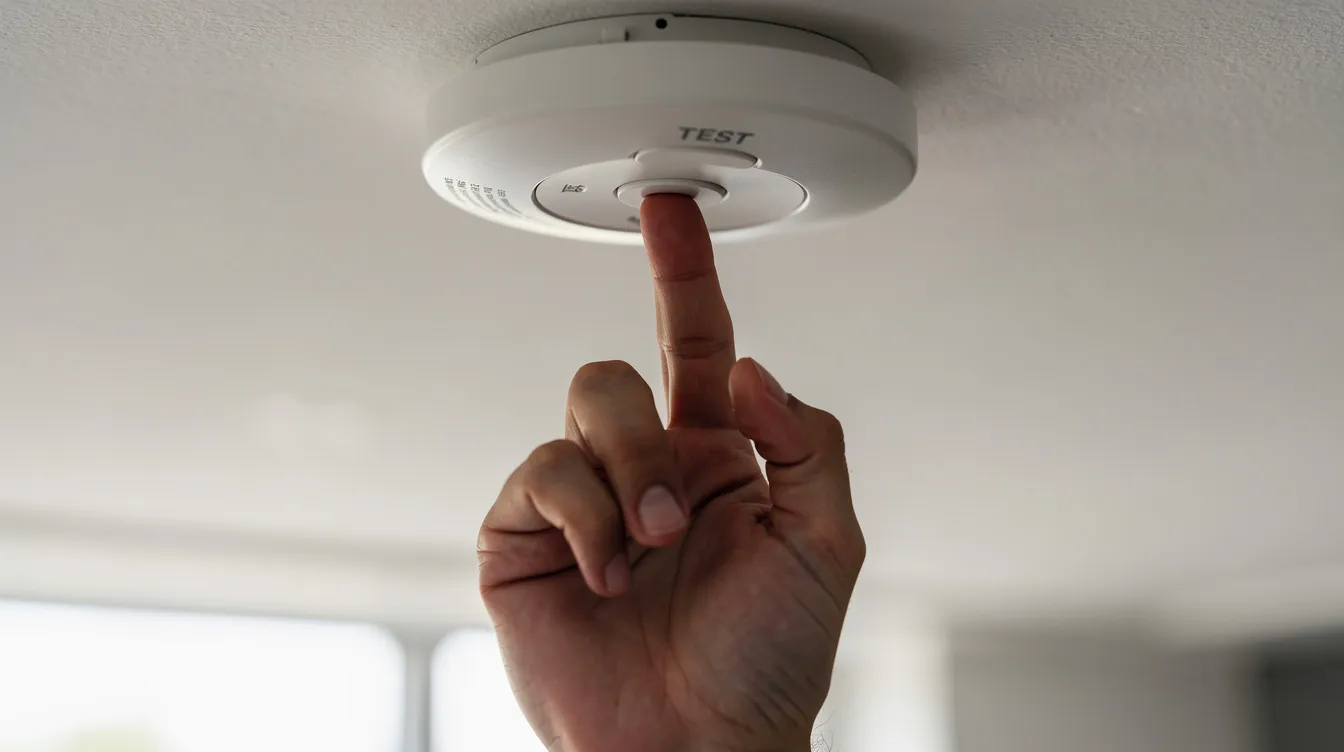
- Test smoke alarms and carbon monoxide detectors monthly. Replace batteries, ensure coverage on every level and near bedrooms, and swap units every 7–10 years. Smoke detectors and carbon monoxide detectors can also earn premium discounts-some carriers offer 2–5% off for protective devices.
After a heating-related fire or chimney fires, insurers may ask for maintenance records. Insurance providers may offer discounts for preventive maintenance steps, so keeping service invoices supports both your claim and your wallet.
Plumbing, Exterior Faucets, and Frozen Pipe Prevention
Frozen pipes and burst pipes are a top winter loss. Many policies limit coverage if the home wasn’t properly winterized. Take these steps before freezing temperatures arrive:
- Turn off exterior faucets to prevent frozen pipes. Disconnect hoses by late October, shut off interior valves to outdoor spigots, and open outdoor faucets to drain remaining water. Install insulated faucet covers on all exterior faucets.
- Insulate pipes to prevent freezing and bursting in unheated areas-garages, crawlspaces, and under kitchen sinks along exterior walls. Use foam sleeves or heat tape, adding extra insulation where needed.
- If you travel in winter, keep the thermostat at a minimum of 55°F and ask a neighbor to check the house periodically.
Homeowners should verify coverage for seasonal storms and frozen pipes. Ensure coverage for burst pipes and roof leaks. Ignoring basic fall home maintenance tips for plumbing can be considered negligence, and insurers may reduce a water damage payout or deny it entirely. Insurance may not cover damages from poor maintenance.
Indoor Fall Cleaning and Safety Checks
With time spent indoors increasing, combine fall cleaning with risk reduction before holiday gatherings. A home maintenance checklist for the interior should include:
- Deep-clean dryer vents, inspect outlets behind furniture, and check for overloaded power strips or damaged cords.
- Secure throw rugs, improve stairway lighting, tighten loose handrails, and place non-slip mats at entrances for wet shoes.
- Check and replace HVAC filters, range hood filters, and water filters. Clean systems run cooler and pose lower fire and leak risks.
High foot traffic during fall increases the need for adequate liability coverage. Homeowners insurance typically covers liability for injuries, but preventing accidents for family and guests during November and December gatherings gives you peace of mind and may prevent you from needing to file a claim.
Yard, Walkways, and Outbuildings: Reducing Outdoor Risks
When fallen leaves and wet leaves pile up on walkways, and early frosts make outdoor spaces slippery, property damage and injury risk climb. Give your yard extra attention:
- Rake leaves regularly to avoid slippery surfaces and falls. Keep your lawn and walkways clear.
- Trim dead branches to avoid potential windstorm damages. Trim overhanging tree branches to prevent damage during winter-heavy snow or ice can wreak havoc on roofs and fences.
- Inspect outdoor lighting to enhance safety during shorter days. Motion-sensor or dusk-to-dawn fixtures cut both trip hazards and burglary risk.
- Inspect detached garages, sheds, and fences for rot, loose panels, or leaking roofs. Verify whether your homeowners insurance policy limits coverage on these “other structures” and whether it provides additional protection for recent additions.

Review Your Home Insurance Before Winter Hits
Fall is an appropriate time for homeowners to review insurance policies. Set aside 20–30 minutes after completing most maintenance tasks.
- Review dwelling coverage to reflect current local construction costs. Confirm dwelling limits to reflect reconstruction costs accurately. Renovations can make existing coverage limits inadequate.
- Confirm coverage for wind, hail, sudden discharge of water from burst pipes, and weight of snow or ice. Know your policy’s exclusions and deductibles before severe weather. Standard insurance policies often exclude flood damage, and flood damage and sewer backups are typically excluded from standard homeowners policies.
- Check your liability coverage limits to protect against slip-and-fall injuries. Check liability limits to ensure they are adequate for potential problems like delivery drivers or service providers on your property during the colder months.
- Document recent purchases to ensure personal property limits are adequate. Personal property coverage protects against theft or damage.
- Assess your policy limits and deductibles with your insurance agent. Ask about discounts for completed fall home maintenance-like updated roofing, security systems, or smart carbon monoxide detectors-that may help you save money on premiums.
Document Your Home and Belongings Each Fall
Fall is a natural reminder to update your home inventory before winter storms or holiday activities increase risk. Homeowners should document their home’s condition and belongings regularly. Update your home inventory regularly to reflect valuable items.
- Walk through each room with a smartphone, recording short videos of closets, the garage, shed, and outdoor furniture, narrating brands, models, and serial numbers.
- Store digital copies of receipts, warranties, and big-ticket purchase confirmations in cloud storage.
- Take “after maintenance” photos of your roof, heating system, water heater, exterior faucets, and main shut-off valves to strengthen any future claim by proving recent upkeep.
An organized inventory and maintenance log can speed up the claims process and prevent damage disputes over value and further damage assessments.
Frequently Asked Questions
When should I start my fall home maintenance checklist to help with insurance protection?
Most homeowners should begin core fall home maintenance in late September or early October. Aim to finish roof, gutter, heating system, and plumbing tasks before overnight temperatures regularly drop below freezing in your area-this gives you time to address any potential problems before the season’s worst weather arrives.
Does my insurance require proof that I did fall home maintenance?
Policies typically don’t require formal proof up front. However, having dated photos, invoices for heating inspections, and notes about sealing windows or turning off exterior faucets can be very helpful if a claim is later questioned as normal wear or neglect. These records demonstrate due diligence and support your position.
Are frozen pipes always covered by homeowners insurance?
Many policies cover sudden water damage from burst pipes but may deny or limit claims if the house wasn’t heated, exterior faucets weren’t shut off, or basic precautions like pipe insulation were ignored-underscoring why fall preparation matters.
Can fall energy upgrades lower my insurance premium?
While not guaranteed, improvements such as upgraded roofing, smart thermostats, monitored smoke and carbon monoxide detectors, and improved security lighting can sometimes qualify for credits or discounts with certain insurers. Contact your agent to find out what applies to your policy.
How do I know if my detached garage or shed is covered for fall and winter damage?
Look for “other structures” coverage on your declarations page. Compare that limit with the value of garages, sheds, fences, and gazebos. If you’ve added or upgraded any structures since last fall, contact your agent to confirm your coverage is adequate.