
When the weather cools and cool nights replace summer heat, it signals more than sweater season. It means your home faces months of cold weather, heavy snow, and potential damage that could cost thousands. With a few simple steps completed now, you can protect your property and your wallet before winter arrives. Here is your complete fall home maintenance checklist paired with insurance guidance to keep you covered through the winter season.
Key Takeaways
- Fall home maintenance and an updated homeowners insurance review work together to prevent uncovered winter damage. Review your homeowners insurance policy before winter storms hit.
- A thorough fall home prep to do list should cover the roof, clean gutters, plumbing protection, heating systems, and emergency readiness for power outages.
- Homeowners insurance usually covers sudden, accidental losses like burst pipes from freezing, but not damage from long-term neglect such as never-cleaned gutters or worn-out roofing.
- Specific winter risks including freezing temperatures, frozen pipes, ice dams, and wind or tree damage should be discussed with your insurance agent each fall. Insurance reviews help identify gaps in coverage.
- Complete maintenance tasks in September through November, before consistent overnight freezes set in and contractor availability shrinks.
Why Fall Is the Right Time to Combine Maintenance and Insurance Prep
Fall home maintenance done in early fall directly reduces the likelihood of expensive winter insurance claims. From late September through early November, you still have mild weather and enough daylight to handle exterior work before the first hard freeze, which typically arrives in late October or early November across many U.S. regions. According to the Insurance Information Institute, winter storms caused nearly $6 billion in insured losses in 2022 alone.
Contractors, roofers, and plumbers are far easier to schedule in early fall than during peak winter storm season when everyone scrambles for repairs. An updated fall home maintenance checklist also reduces claim risk for issues like ice dams, roof leaks, and frozen pipes. Meanwhile, a fall insurance review can confirm whether winter perils such as wind, weight of ice and snow, or water backup are properly covered under your homeowners policy.
Seal and Inspect Your Home’s Exterior Envelope
Stopping drafts and moisture infiltration now helps lower energy bills, improves comfort, and prevents homeowners insurance disputes if a winter storm drives water through gaps you should have sealed months ago.
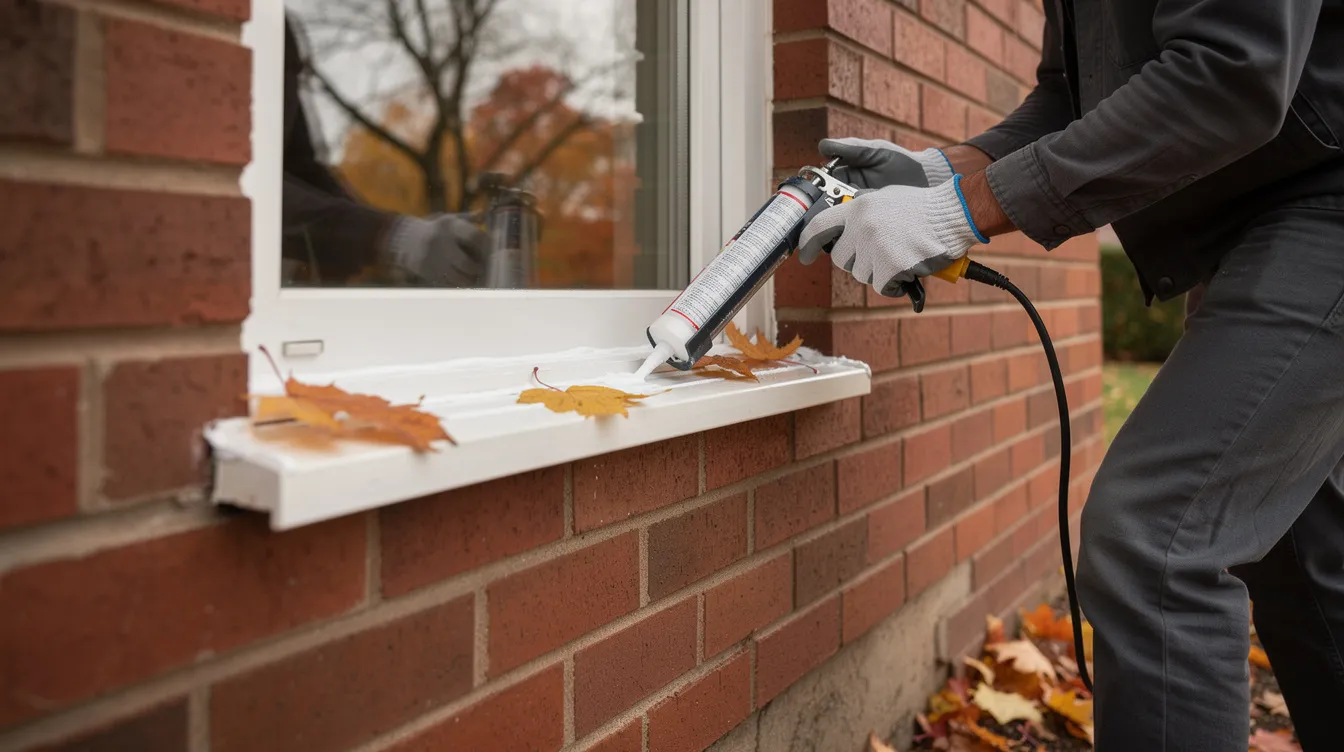
Start by inspecting windows and doors for drafts. On a windy October day, hold a lit candle or incense stick near window frames, door edges, and utility penetrations. Wherever the flame flickers, cold air is getting in. Seal gaps around windows and doors to prevent drafts using fresh caulk or weather stripping. Repair caulking that has cracked or pulled away from frames. A doorsweep can prevent drafts from entering your home under exterior doors. Replace loose fitting plugs on electrical outlets along exterior walls, and check for drafty windows that need attention.
For older homes, storm windows and thermal curtains add a meaningful layer of insulation. Inspect windows for deteriorated frames and touch up exterior paint where it has worn away to protect against moisture intrusion. Sealing air leaks can save on heating costs and reduce energy costs over the winter months.
While homeowners insurance may help after a covered loss from a storm, it generally will not pay to fix long-term air leaks or deteriorated caulking discovered during routine maintenance. The purpose is to handle these items now so they do not complicate future claims.
Inspect Gutters, Roof, and Exterior Drainage
Clogged gutters and worn roofing can turn routine snowfall into water damage that may or may not be covered by homeowners insurance. Ice dams can cause water to back up under shingles and leak into homes, and a leaky roof can cause significant damage during winter storms. Prevention starts on your fall home to do list.
Clean gutters at least once in October and again after heavy leaf drop. Gutters should be cleaned before winter to prevent ice buildup. Clogged gutters can cause water to pool around foundations, leading to cracks and flooding. Inspect gutters for sagging or rust spots during maintenance, and make sure gutters should be clear of leaves and debris at all times so water flows freely. Clean gutters to prevent water damage from ice and snow, and confirm downspouts direct melting snow away from the foundation.
For the roof, inspect your roof for missing or damaged shingles from ground level. Look for:
- Missing shingles or loose shingles along ridges and edges
- Missing or damaged shingles near valleys and flashing
- Damaged or lifted flashing around chimneys, vents, and skylights
- Granule buildup in gutters, which signals aging shingles
- Debris on roofs that can lead to water pooling and damage
Inspect roof flashing for damage to prevent leaks. Annual roof inspections are critical before winter storms, so consider a professional inspection if you have a steep or multi-story roof. Installing gutter guards is worth considering since gutter guards can minimize debris buildup and maintenance needs.
Insurers expect reasonable roof and gutter maintenance. If damage after a winter storm is linked to neglect, coverage may be limited or denied, particularly in ice dam disputes where pre-existing neglect is evident.
Protect Plumbing Before Freezing Temperatures Hit
Frozen pipes can burst and cause extensive water damage, making them one of the costliest winter homeowners insurance claims. Frozen and burst pipes are common winter insurance claims and historically accounted for 22% of all homeowners insurance losses. The time to protect plumbing is before temperatures drop into freezing range.
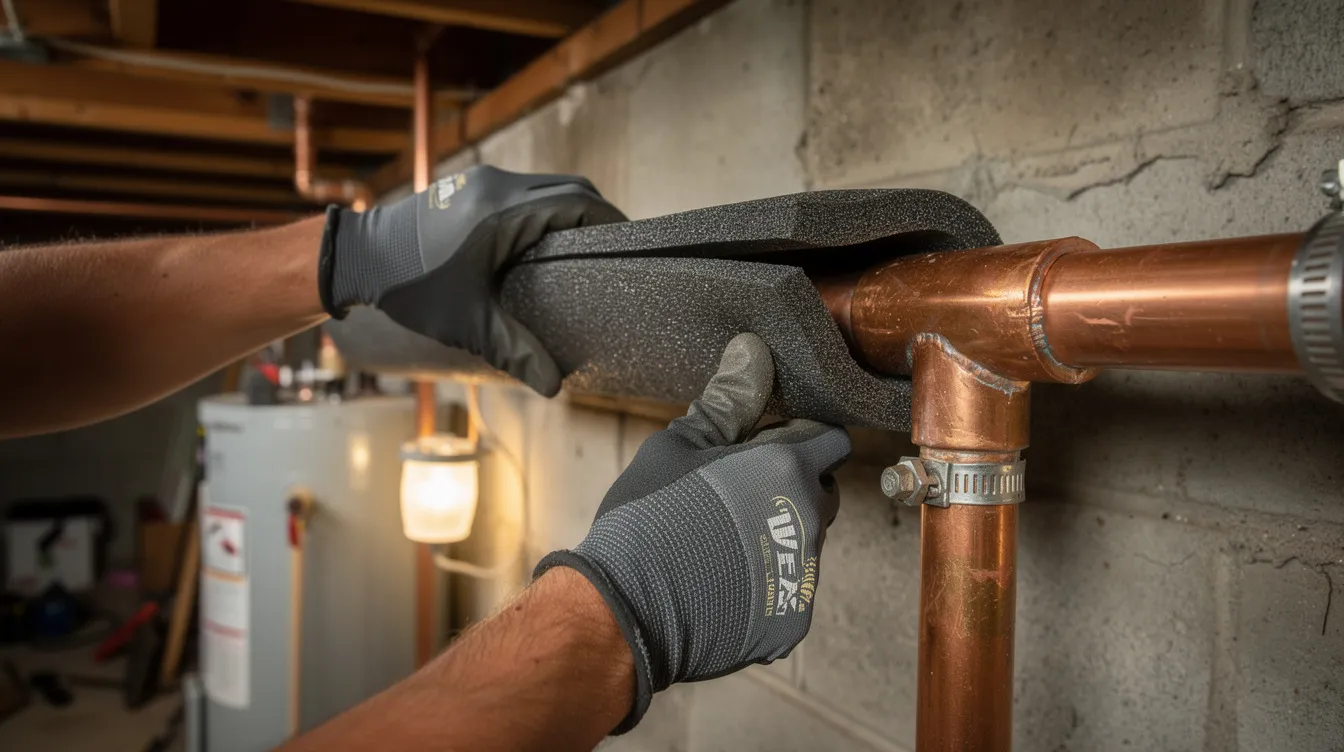
Insulate exposed pipes in unheated areas to prevent freezing. Focus on crawl spaces, garages, basements, and along exterior walls where a pipe freezes most easily. Wrapping exposed pipes helps prevent freezing and bursting during cold weather. Also check your water heater for signs of corrosion or leaks.
Disconnect and drain outdoor hoses before winter arrives. Shut off interior supply valves to outdoor faucets and exterior faucets if possible, then open the outdoor faucets to let remaining water drain. Know the location of your main water shutoff to manage emergencies effectively if burst pipes do occur.
For vacation or seasonal homes, leave your thermostat set to at least 55°F during winter vacations. Most standard policies require homes to be heated to at least 55°F or risk denied claims. Maintaining heat in homes during vacancy is essential for preserving insurance coverage. Arrange for someone to check the property regularly during the winter months.
Ensure coverage for risks like burst pipes and roof damage by asking your insurer what specific steps are required. Policies typically cover resulting water damage from frozen pipes that burst, but not if the home was left unheated or plumbing was not winterized as required.
Get Heating Systems, Chimneys, and Carbon Monoxide Detectors Ready
Fall is the safest time to test your heating system before it runs continuously through winter. Many homeowners wait until the first cold snap and discover problems at the worst possible moment. Schedule an HVAC inspection before the heating season starts, ideally in September or October. Inspect your heating system to ensure it runs safely and efficiently.
Replace your furnace filter before the coming winter. Replace filters according to manufacturer’s instructions, typically every one to three months, to improve efficiency and air quality. Dirty filters make heating equipment work harder, driving up heating bills. Confirm that warm air flows evenly through all vents, and check that your water heater thermostat is set correctly.
Clean and inspect your chimney before using your fireplace. A professional should remove creosote buildup and verify the chimney cap, liner, and flue are intact. Regular winterization tasks include servicing heating systems and checking detectors.
Test smoke and carbon monoxide detectors during fall maintenance. Smoke alarms should be installed inside every bedroom, outside sleeping areas, and on each level of the home. Carbon monoxide detectors belong near sleeping areas and on every floor. Carbon monoxide alarms and smoke detectors should have their battery annually replaced. Some insurers offer discounts for monitored fire or CO systems. Never overload electrical outlets with space heaters, and note that improper use of space heaters or fireplaces, contrary to manufacturer’s instructions, can increase fire risk and affect claim outcomes.
Prepare for Power Outages and Winter Storm Emergencies
From November through February, winter weather can bring high winds, lake effect snow, ice, and multi-day power outages. When ice arrive alongside heavy snow, downed power lines leave homes without heat, light, or sump pump operation.
Create an emergency kit with flashlights, batteries, a battery or crank radio, portable chargers, blankets, and several days of food and water. Store it somewhere accessible.
For generators, follow these rules:
- Place portable generators outdoors, far from windows and vents to prevent carbon monoxide buildup
- Test generators and backup heat sources during fall before the first major winter storm
- Keep fuel stored safely per local codes
- Never run generators indoors or in enclosed spaces
Test sump pumps and backup heating equipment now. Discuss with your insurance agent how coverage applies to refrigerated food loss, power surge damage to electronics, and sump pump or sewer backup incidents. Document pre-storm conditions and keep receipts for outage-related repairs to support future homeowners insurance claims.
Yard, Trees, and Outdoor Property: Preventing Avoidable Claims
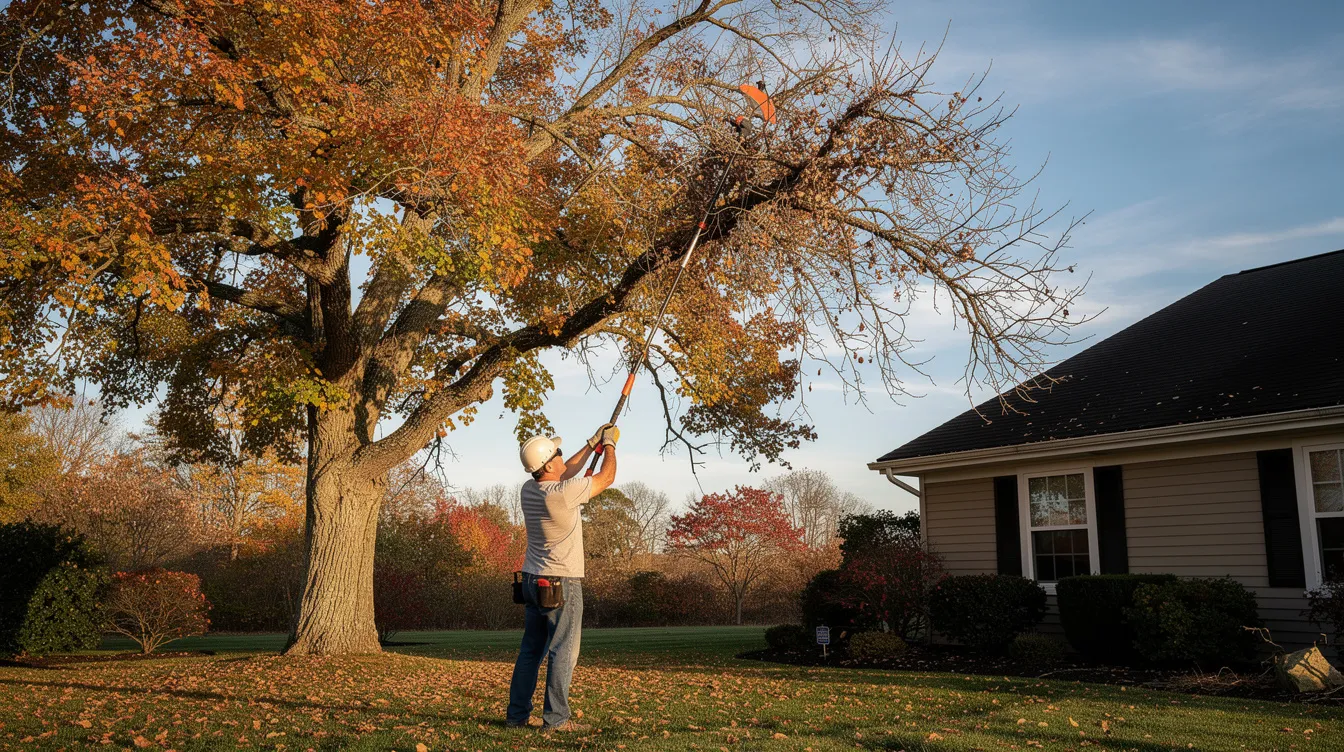
Fall yard work reduces winter hazards like falling branches, wind-blown debris, and slippery walkways that trigger claims. Homeowners are responsible for slip-and-fall accidents on their property during winter, and inadequate liability limits may leave homeowners financially vulnerable to slip-and-fall claims.
Trim dead or overhanging branches near roof or power lines. Fallen trees during a winter storm can crush structures and block access. Hire a certified arborist for large or risky tree work near power lines. Winterize irrigation systems, store outdoor furniture, cover grills, and disconnect outdoor hoses. Check exterior lighting and walkway conditions to reduce slip-and-fall risk.
Review how your homeowners policy treats fallen trees, debris removal, and damage to fences, sheds, and detached garages after wind or ice events. Coverage for other structures is often limited, so know your policy details before colder weather arrives.
Review and Update Your Homeowners Insurance Before Winter
Your physical fall home maintenance checklist should be paired with an annual checkup of your insurance coverage, ideally completed before the first consistent frost. Discuss changes to your home during your insurance review with your agent.
Reviewing coverage limits ensures policies reflect current building costs. If you have completed renovations or additions, your dwelling limits may be outdated. Insurers evaluate preventive maintenance when processing claims, so your routine maintenance work in fall strengthens your position.
Key coverages to confirm before the winter season:
| Coverage Type | What It Protects |
|---|---|
| Dwelling | Structural damage from wind, weight of snow/ice, fire |
| Personal Property | Belongings damaged by water, fire, or theft |
| Loss of Use | Additional living expenses if home is uninhabitable |
| Liability | Slip-and-fall injuries on your property |
| Water Backup Endorsement | Sewer or drain backup damage |
| Service Line Coverage | Underground pipes and utility lines |
Understanding policy exclusions is critical to managing risks associated with winter. Homeowners insurance may not cover maintenance issues or wear-and-tear damage. Standard homeowners insurance usually does not cover flooding from surface water, and standard homeowners policies typically exclude damage from floods and water backflow. Specific deductibles can apply to winter claims, especially regarding wind and hail. Insurance companies can deny claims if damage stems from neglect or lack of maintenance.
Documenting home inventory helps streamline claims after damage occurs. Take date-stamped photos of your home’s exterior, roof, interior rooms, and mechanical systems. Store them in cloud storage so they survive any disaster. Look into savings from bundling policies, installing smart thermostats or leak detectors, or upgrading to monitored smoke and carbon monoxide systems that may save money on premiums.
Your first line of defense against uncovered winter losses is preparation. Completing your fall home to do list and reviewing your homeowners policy before the first freeze can save money and prevent headaches for the entire winter season.
FAQ: Fall Maintenance and Insurance Before Winter
When should I start my fall home maintenance checklist?
Begin core fall home maintenance in late September or early October, with the goal of finishing high-priority tasks like roof checks, inspecting and cleaning gutters, and plumbing protection before the first forecasted hard freeze in your area. Starting earlier gives time to schedule contractors for roof work, HVAC servicing, or plumbing upgrades before winter demand peaks and energy costs climb.
Does homeowners insurance cover damage from frozen pipes?
Many homeowners policies do cover sudden, accidental water damage from frozen pipes that burst, but only if the homeowner took reasonable steps to maintain heat or properly winterize the property. Review your specific policy wording and talk with your agent about minimum thermostat settings, winterizing seasonal homes, and any exclusions for long-term neglect.
Will my insurance pay to repair normal wear and tear I find in fall?
Homeowners insurance generally does not cover routine wear and tear, age-related deterioration, or maintenance issues like worn shingles, old caulk, or rusted gutters. The purpose of fall inspections is to fix these items now so that if a covered peril like a windstorm or ice buildup later causes damage, the claim is not complicated by pre-existing neglect.
Can I get a discount for doing fall safety upgrades?
Ask your agent whether adding monitored smoke alarms, carbon monoxide detectors, water-leak sensors, or a smart thermostat may qualify for premium discounts. Keep receipts and installation documents for any safety or security upgrades completed during fall home maintenance as proof for potential discounts or future claims.
What should I document before winter in case I need to file a claim?
Create date-stamped photos or videos of the home’s exterior, roof, interior rooms, major appliances, and mechanical systems after fall maintenance is complete. Store this documentation along with an updated home inventory list in secure cloud storage so it can be accessed even if the home experiences fire, water, or storm damage during the darker winter months.