
Key Takeaways
- Even a one-bay home garage or small 2-4 bay neighborhood shop can face lawsuits, fires, and theft exceeding $250,000–$1,000,000, making proper business insurance essential for survival.
- Standard homeowners and personal auto policies almost never cover business-related repairs after 2020 policy revisions—paid work requires commercial coverage.
- Core coverages include general liability insurance, garage liability insurance, garagekeepers insurance, commercial property insurance, commercial auto insurance, and workers compensation coverage.
- Insurers require specifics: exact address, garage square footage, services offered, and average number/value of customer vehicles on-site.
- Work with an insurance agent familiar with small and home-based garages to customize coverage and avoid gaps like customer cars parked overnight in driveways.
Introduction: Why Insurance Matters for Home-Based and Small Garages
In 2024, a detached home garage fire destroyed three customer vehicles and tools worth over $80,000 in a single afternoon. The owner had no auto repair shop insurance—just a homeowners policy that denied every claim.
Many auto mechanics start small, working evenings and weekends from a home garage or rented bay. The shift from hobby tinkerer to running an auto repair business happens the moment you accept payment, advertise services, or schedule regular customer work. Since around 2020, insurers have drawn a hard line: consistent income from repairs triggers commercial insurance needs.
This guide serves as a practical blueprint for understanding and buying the right coverage when insuring a home based or small auto repair garage. We’ll cover specific coverages, common gaps, and the steps to protect your livelihood.
Unique Risks of a Home-Based or Small Auto Repair Garage
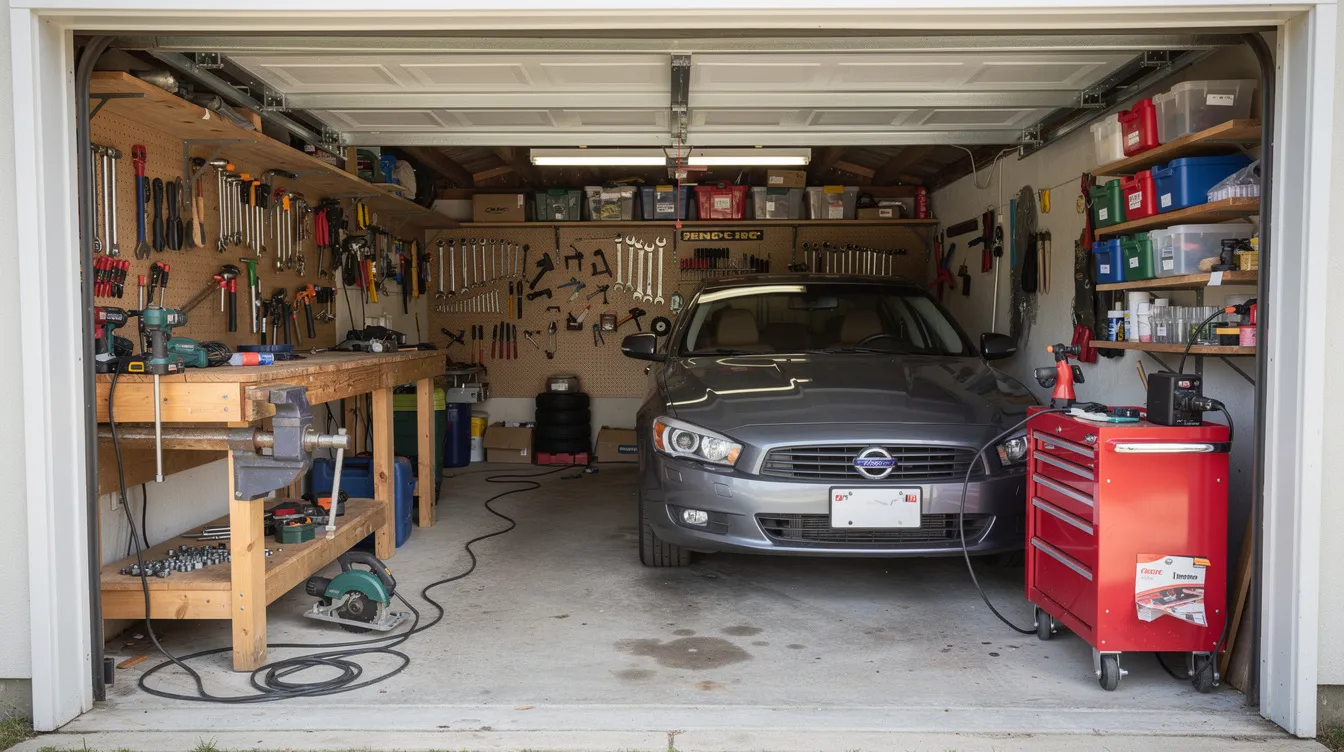
Operating from a home or small leased unit under 2,500 square feet creates unique risks that larger facilities don’t face. You’re closer to neighbors, parking is limited, residential zoning applies, and utilities are often shared with living spaces.
Consider concrete scenarios: a jack stand collapses and injures a friend helping with a job. An oil-soaked rag ignites near a water heater. A test drive ends in a collision on local streets. A customer slips on an icy driveway in January. Each creates potential liability claims.
Unlike commercial facilities, small shops typically lack formal fire suppression systems, feature older wiring prone to faults, and overlap with personal property and family members. Local building and zoning codes updated between 2018-2024 now scrutinize ventilation, flammable storage, and occupancy—non-compliance can void claims entirely.
Why Home-Based and Small Garages Need Specialized Insurance
Your homeowners insurance excludes “business pursuits.” A paid brake job or engine swap in your home garage isn’t covered for liability or property damage. Personal auto policies won’t protect you if you’re test-driving a customer’s car during paid diagnostics on public roads.
General liability coverage handles third-party bodily injury and property damage from non-auto operations. But garage liability insurance extends this to auto-specific exposures—test drives, bay injuries, and damage while moving vehicles. Auto repair shops need garage-specific forms due to elevated risks.
Without proper small business insurance, out-of-pocket costs include legal costs exceeding $50,000, medical expenses, vehicle replacement ($20,000-$100,000 per car), debris removal, and rebuilding your garage after a fire. Since 2022, many landlords require tenants to carry $1,000,000 per-occurrence liability coverage with the landlord as additional insured.
Core Insurance Coverages for a Home-Based or Small Auto Repair Garage
Building proper protection means stacking coverage—starting with liability and property, then adding protections for customer vehicles, tools and equipment, and employees. Typical small-garage limits include $1,000,000/$2,000,000 liability and $25,000–$100,000 for equipment.
Not all specific coverages apply to every shop. Solo home mechanics may not need workers comp but should understand it. The following subsections break down each coverage type.
General Liability vs. Garage Liability Insurance
General liability insurance covers third-party bodily injury, property damage, and advertising injury from business operations not directly involving vehicles. Think: a customer trips over an air hose in your one-car home garage.
Garage liability coverage extends this to auto-related exposures. When you damage a neighbor’s fence backing a customer’s truck into it, or a customer suffers bodily injury during a test drive, garage liability responds. For auto repair industry operations, this specialized form addresses different risks standard GL misses.
Typical small-garage limits run $1,000,000 per occurrence and $2,000,000 aggregate. Shops in litigious states like California or Florida may need higher limits to financially protect against liability claims.
Garagekeepers Coverage (Customer Vehicles in Your Care)
Garagekeepers insurance covers damage to customer vehicles while you have care, custody, or control—whether parked in a home driveway, detached shop, or commercial bay. Standard property insurance and general liability policies don’t cover customers’ autos.
Two approaches exist: legal liability coverage (pays only when you’re at fault) versus direct primary coverage (pays regardless of fault, including hail, theft, or hit-and-run). Direct primary costs more but provides comprehensive protection.
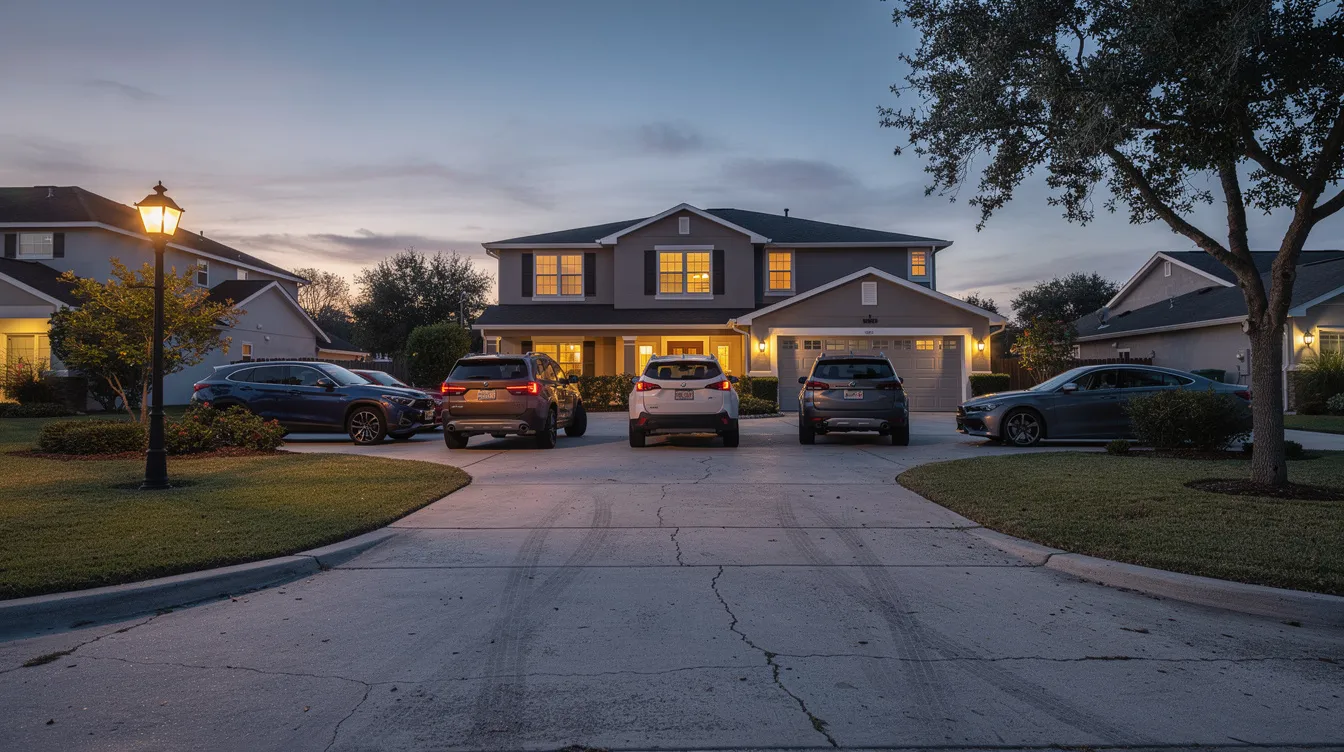
Example: a 2025 summer hailstorm dents three customer cars parked outside overnight. Or consider stolen business property when a pickup disappears from an unfenced lot behind a duplex. Typical limits for small garages run $50,000 per vehicle and $100,000–$250,000 per location. Inventory how many vehicles and more vehicles you might store simultaneously.
Business Property, Tools, and Equipment Insurance
Business personal property coverage protects toolboxes, lifts, air compressors, diagnostic scanners, welders, and inventory like brake parts and fluids. Many mechanics own $20,000–$100,000 in tools accumulated since the mid-2000s.
Watch for “actual cash value” versus “replacement cost” policies. ACV underpays for aged gear. A 2023 electrical fire scenario: flames destroy a scan tool, laptops, and full roll-away box totaling $35,000 in replacement costs. Without proper limits, you’d cover the gap yourself.
For mobile mechanic work or roadside jobs, inland marine floaters extend coverage when power tools and equipment leave your garage. Document your collection annually with photos and receipts to speed claim payments after theft or fire.
Business Owner’s Policy (BOP) for Small Garages
A business owner’s policy bundles garage liability with commercial property coverage, often at lower premiums than purchasing separately. BOPs suit small 1-3 bay shops under approximately $1,000,000-$1,500,000 in annual revenue.
Many BOPs include business income coverage. Example: a March 2024 windstorm damages your roof, forcing a two-week closure. Business income coverage pays rent, utilities, and lost wages from profits while repairs happen—keeping your business running.
BOPs have limitations. Revenue caps apply, and high-risk services like bodywork may be excluded. Ask your insurance agent if your garage qualifies and what additional coverage might be needed.
Commercial Auto Insurance for Business Vehicles
Any vehicle titled to your business or primarily used for business purposes—service trucks, mobile mechanic vans, courtesy shuttles—requires commercial auto insurance. Personal auto policies have denied claims since around 2022 when vehicles transport tools, tow, or make road calls.
Scenarios include backing a service truck into a customer’s car in a driveway, or causing an at-fault accident during a test drive. Hired and non-owned auto (HNOA) coverage protects when employees drive personal cars for parts runs.
Recommended limits: $500,000–$1,000,000 combined single limit depending on state minimums and your asset levels. This cover damage from garage operations involving your vehicles on public roads.
Workers’ Compensation and Employer Liability
Once you hire even one part-time employee, most U.S. states require workers compensation. Some exceptions exist for family-only businesses or very low payrolls—check your state’s current rules.
Workers comp covers medical bills, a portion of lost wages, rehabilitation, and death benefits if employees injured while working under a lift or handling heavy tires. Example: a helper strains their back lifting a transmission in 2025. Workers comp pays physical therapy and wage replacement.
Employer’s liability, typically packaged with workers comp, defends against lawsuits alleging unsafe work conditions. This protects against employment related claims and wrongful termination allegations connected to workplace injuries.
Cyber and Data Breach Protection (Even for Small Garages)
Even home-based garages now store customer data through shop management software, cloud invoicing, and credit card terminals. Data breaches happen to small businesses too.
A 2023 phishing email leads to malware on a shop laptop, exposing saved invoices and client information. Notification and credit monitoring insurance costs add up quickly. Some insurers offer basic cyber endorsements bundled into BOPs for modest additional premium—appropriate for operations with limited data exposure.
Special Considerations for Home-Based Garages vs. Small Commercial Shops
Home-based garages face scrutiny about hobby versus business use. Signs like a business website, regular advertising, and consistent income since around 2020 trigger commercial insurance requirements. Attached versus detached structures matter for fire spread risk. HOA rules may prohibit repairs entirely—claims get denied for non-compliance.
Small commercial shops face different issues. Landlords mandate liability insurance, often $1,000,000 minimum with them as additional insured. Leases specify property insurance requirements and responsibilities for improvements like lifts installed after 2019 renovations. Zoning compliance affects eligibility and premium pricing.
Both setups require transparency with insurers. Undisclosed garage operations or expanding services without notification creates gaps that void coverage when you need it most.
How to Estimate the Right Coverage Limits and Premium Range
Start by tallying replacement values: tools ($50,000–$150,000), garage rebuild costs ($100,000–$250,000), and average customer vehicle values on-site ($100,000–$250,000 for garagekeepers). Add potential legal exposure with $1,000,000/$2,000,000 liability limits.
Insurance costs vary by state and loss history. A very small operation with clean claims history might pay a few thousand dollars yearly. Common cost drivers that inflate premiums include welding/fabrication, engine swaps, performance tuning, bodywork, and overnight operations.
Revisit limits annually. Adding a new lift, buying diagnostic equipment, or storing multiple vehicles overnight changes your risk profile. Keep coverage aligned with your actual repair insurance needs.
Practical Steps to Get Insurance for a Home-Based or Small Garage
Follow this checklist to get fully protected:
| Step | Action |
|---|---|
| 1 | Gather documentation: business name, start date, address, square footage |
| 2 | List all services offered (brakes, exhaust, bodywork, etc.) |
| 3 | Estimate 12-month revenue and payroll if you have employees |
| 4 | Prepare safety summary: fire extinguishers, ventilation, flammable storage |
| 5 | Document how vehicles are secured overnight |
| 6 | Contact 2-3 brokers specializing in small garages |
| 7 | Compare quotes and coverage terms |
Many insurers provide online or phone quotes within days and certificates almost immediately after purchase. Ask about discounts for clean driving records, claims-free history, security systems, and bundling policies.
Common Coverage Gaps and Mistakes to Avoid
Recurring pitfalls that leave business owners exposed:
- Assuming homeowners insurance covers business use
- Failing to list all locations (home garage plus rented bay)
- Underestimating tool replacement costs
- No garagekeepers for customer vehicles parked outside or in driveways
- Allowing informal helpers without workers comp
- Not disclosing service expansions (adding bodywork or tuning)
Annual broker reviews catch changes in inventory, services, or locations before they create gaps. Your coverage should evolve as your operations grow.
FAQ: Insuring a Home-Based or Small Auto Repair Garage
Does my homeowners insurance cover auto repair work I do at home?
Most modern homeowners policies exclude business activities, especially if you’ve accepted payment or advertised services since around 2020. A single casual favor for a friend may be treated differently than regular paid work, but don’t assume coverage without written confirmation from your insurer. Liability from customer injury or fire caused by business tools is particularly unlikely to be covered. Contact an agent about small commercial policies if you routinely work on customer vehicles for pay.
Can I insure my tools separately from the rest of the garage?
Yes. Many insurers offer standalone tool coverage, often called inland marine or equipment floater policies. This works well for mechanics working multiple locations—home garage, rented bays, or mobile jobs—since tools are covered wherever they go. Ensure limits reflect current replacement cost, not original purchase prices. Maintain a detailed inventory with photos to prove ownership and speed claim payments.
Do I need workers’ compensation if I only hire part-time or cash helpers?
Many states base workers comp requirements on having employees regardless of hours worked or payment method. Misclassifying employees as independent contractors to avoid coverage leads to fines, back premiums, and uncovered injury claims. Check current state laws and assume any regular helper—relative, friend, or weekend assistant—may trigger requirements. Consult a broker or employment attorney for proper classification.
What if I only work on a few cars per month as a side hustle?
Even low-volume work creates full-sized liability claims if a customer is injured or vehicle damaged. Coverage for side businesses may carry lower premiums based on revenue, but the need for liability coverage and garagekeepers doesn’t disappear. Some insurers offer micro-business policies for operations under certain revenue thresholds. Don’t rely on informal agreements or waivers—they rarely hold up without proper insurance backing.
How often should I review or update my garage insurance coverage?
Review coverage annually and whenever you add equipment, expand services, or store more customer vehicles. Business changes since 2022—like adding ADAS calibration or EV battery work—materially change risk profiles. Keep your agent informed about location changes. Regular reviews help avoid underinsurance and ensure policy terms match your actual garage operations.