Key Takeaways
- Every vehicle leaving your lot for a test drive must be insured, whether you operate a car dealership, used car lot, or repair shop.
- Your garage liability, garagekeepers, and dealer open lot policies are typically primary, but driver negligence can still expose your business to costly claims.
- Written test-drive procedures—including license checks, designated routes, and signed waivers—can reduce accident frequency by 40-60%.
- Coverage differs for dealership demos, repair-shop road tests, and consignment vehicles, so confirm details with your insurance agent.
- High loss frequency raises premiums and can make coverage harder to renew for small businesses.
Introduction: Why Test Drive Insurance Matters for Shop Owners
Test drives are routine—whether you’re letting a potential buyer get behind the wheel of a new car or a technician is verifying brake repairs on a public road. But in 2026, these everyday activities carry significant legal and financial risk for shop owners.
Most consumer-focused content asks, “Do I need car insurance to test drive a car?” This article flips that question. Here, we focus on protecting your business assets, your license, and your bottom line. We’ll cover which policies respond when a crash occurs, common liability scenarios, and practical steps to set up safe, insurable test-drive protocols across most states.
How Test Drive Insurance Works for Dealerships and Repair Shops
Understanding how insurance coverage for test drives works starts with one principle: business policies—not the customer’s own insurance—are usually primary for vehicles owned by the shop.
Several policy types apply, including garage liability, garagekeepers, dealer’s open lot, business auto, and umbrella policies. When a prospective buyer or technician is driving a vehicle on public roads during a test drive, your commercial coverage typically responds first.
The named insured on the business policy is the responsible entity—not the salesperson or mechanic individually.
Key Commercial Policies That Can Apply to Test Drives
Understanding your policy stack is essential:
- Garage Liability: Protects against bodily injury and property damage claims from business operations, including test drives. Limits often start at $1 million per occurrence.
- Garagekeepers Coverage: Covers damage to customers’ vehicles while in your care. Road test coverage may require special endorsements.
- Dealer’s Open Lot: Protects inventory vehicles against collision, theft, and weather damage—including during test drives. Deductibles typically range from $500-$2,500.
- Business Auto: Some repair shops insure service loaners and shop vehicles under this policy rather than a full garage program.
- Commercial Umbrella: Sits over underlying limits to protect against large claims. Essential given that medical bills and jury verdicts continue climbing.
Primary vs. Secondary Coverage During a Test Drive
Coverage priority follows predictable patterns:
- When your shop owns the vehicle, your dealership’s insurance is generally primary. The driver’s auto insurance policy serves as excess coverage.
- When test-driving a customer’s car after repairs, their car insurance policy often remains primary for physical damage, while your garage policy handles liability claims.
- Written agreements can shift some responsibility but cannot override mandatory state insurance frameworks.
Ask your insurance agent to walk through a specific example—like a 2025 compact SUV rear-ending another car during a sales test drive—to confirm how your coverage layers respond.
Liability Scenarios Shop Owners Must Plan For
Liability in test drive accidents depends on fault, vehicle ownership, and your agreements. Even when your insurer covers the claim, high loss frequency raises premiums and complicates renewals.
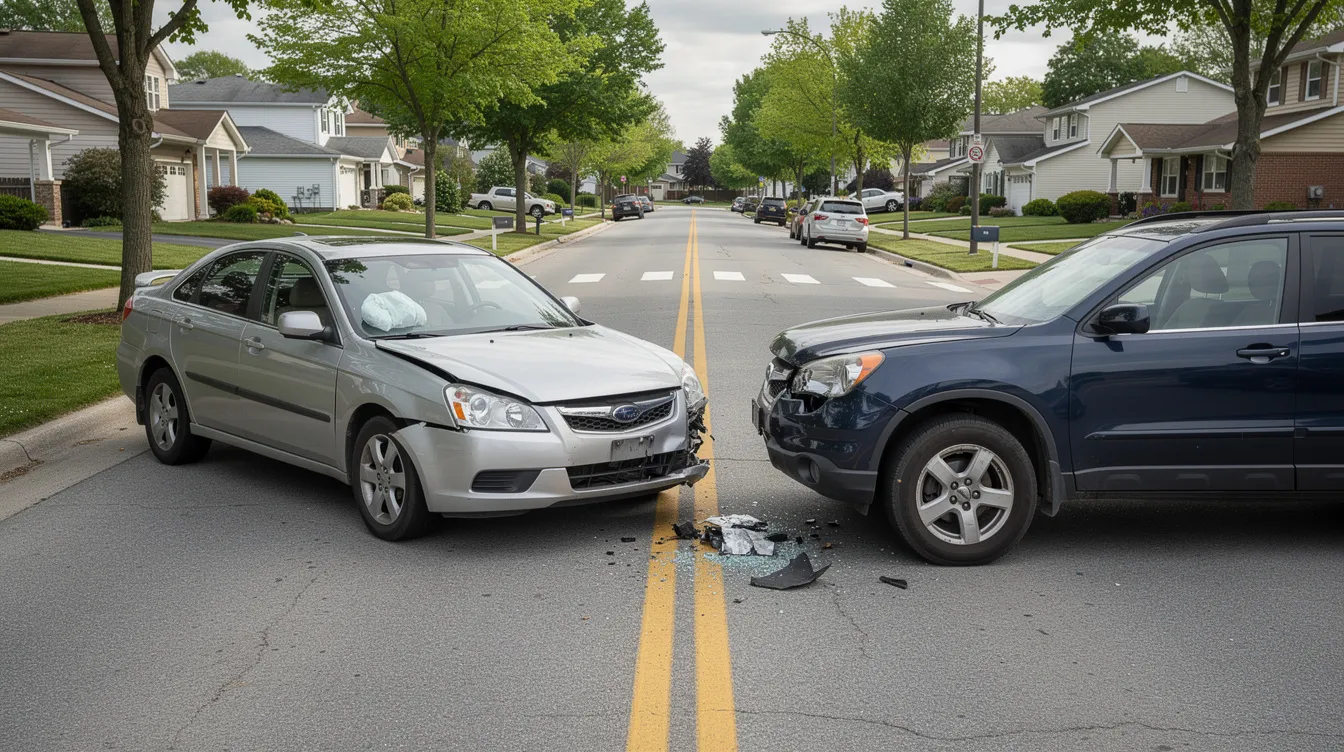
Prospective Buyer Crashes During a Sales Test Drive
When a customer crashes a for-sale vehicle during the car buying process:
- Your dealer’s open lot policy typically covers physical damage to the vehicle, minus your deductible
- Garage liability insurance covers third-party injuries and property damage
- If the driver was engaged in reckless driving or under the influence, your insurer may seek reimbursement—but expect slow, contested recovery
- Document every test with a log sheet, license photocopy, and signed acknowledgment
Technician or Employee Crashes on a Post-Repair Road Test
When an employee test-drives a customer vehicle:
- An at-fault crash can implicate both the vehicle owner’s insurance policy and your garage policy
- If the accident ties to negligent work (faulty brake installation, for example), products-completed operations coverage may respond
- Workers’ compensation covers the injured employee; liability coverage handles third-party injuries
- Create written rules for technician test drives with specific routes, speed limits, and pre-departure checklists
Unlicensed, Underage, or Excluded Drivers
Improper driver screening can void coverage entirely:
- Most 2026 commercial policies exclude coverage when vehicles are knowingly entrusted to unlicensed or excluded drivers
- Allowing intoxicated, underage, or clearly impaired test drivers can lead to denied claims and personal liability for the owner
- Train staff to verify every driver’s license before handing over keys
- Some insurers require formal “no unaccompanied under-21 test drive” rules as coverage conditions
Test Drive Procedures Every Shop Should Have in Writing
Carriers increasingly expect documented procedures before offering favorable terms. Consistent documentation supports your position in disputes over fault, driver authorization, or coverage.
Driver Screening and Authorization
Follow these steps before every test:
| Step | Action |
|---|---|
| 1 | Require a valid driver’s license—record number, state, and expiration |
| 2 | Make a digital scan or photocopy stored for 24-36 months |
| 3 | Have the customer sign an authorization acknowledging they’re fit to drive and will follow traffic laws |
| 4 | For repair shops, obtain written owner consent before any off-premises road testing |
Test Drive Routes, Time Limits, and Conditions
Define standard routes rather than leaving decisions to salespeople:
- Designate approved loops (15-20 minutes, mixed city/highway)
- Set time limits for unaccompanied drives (20-30 minutes maximum)
- Record departure times, odometer readings, and fuel levels
- Prohibit test drives in severe weather unless necessary for diagnostics
Waivers, Disclaimers, and Documentation
Waivers have limits:
- They can acknowledge customer responsibility for traffic violations and agreement to cooperate with claims
- They generally cannot eliminate legal duties to the public or override mandatory insurance obligations
- Have any waiver language reviewed by legal counsel and your agent
- Store all signed documents in a secure digital system for quick retrieval
Special Situations: Private Sales, Consignments, and Loaner Vehicles
Not all test drives involve dealer-owned inventory. Consignments, private sales, and service loaners add complexity to your coverage picture.
Consignment and Private-Party Vehicles on Your Lot
When selling vehicles on behalf of private owners:
- Consignment agreements should specify which policy covers physical damage during test drives
- Require titled owners to maintain liability insurance and name your shop as additional insured
- Use separate consignment test-drive forms clarifying responsibility
- Verify the private owner’s insurance remains active while the car is available
Service Loaners, Courtesy Cars, and Rentals
Loaner arrangements differ from brief test drives:
- Courtesy cars usually fall under business auto or specific loaner endorsements
- Use formal loaner agreements detailing mileage limits, driver limitations, and responsibility for minor damage
- Some 2026 insurers require GPS tracking on loaner fleets
- Confirm whether your policy allows overnight loans or cross-state-line use before handing over keys
Working With Your Insurance Agent to Close Coverage Gaps
No article replaces a one-on-one review with a licensed agent who understands garage risks in your state. With claims inflation driving repair costs up 25-30% since 2024, proactive reviews are essential.

Questions to Ask Your Agent About Test Drive Coverage
Bring these questions to your next meeting:
- Which policy responds if a potential buyer totals a dealership vehicle during an unaccompanied test drive?
- How does my policy treat at-fault accidents caused by technicians test-driving customers’ cars?
- Does my insurer require specific paperwork for extended or overnight test drives?
- Are any drivers (age groups, driving records) excluded from coverage?
- Given medical inflation and verdict trends, should I purchase an umbrella policy?
Updating Your Policies and Procedures Over Time
Risk management is ongoing:
- Revisit test-drive forms and routes annually or after any serious event
- Consider dash cameras or telematics in high-value vehicles to document driving behavior
- Conduct periodic staff training using real case studies
- Keeping loss frequency low improves your negotiating position and stabilizes premiums
FAQ: Insurance Coverage for Test Drives (For Shop Owners)
Do I need to see a customer’s proof of insurance before letting them test drive a car?
In most cases, dealers aren’t legally required to verify a customer’s personal insurance for standard on-site test drives because the dealership’s insurance is typically primary on dealer-owned inventory. However, some shop owners still request proof of insurance for high-value vehicles, long test drives, or overnight demos. Contact your insurance company to confirm whether your policy includes underwriting conditions requiring proof for unaccompanied drives.
Can I require customers to pay my deductible if they crash during a test drive?
Many businesses use test-drive agreements stating that at-fault drivers must reimburse the shop’s deductible. Enforceability varies by state and depends on contract law and consumer protection rules. Courts may limit overly broad clauses, so have any “customer pays deductible” language reviewed by legal help before implementation.
Are my salespeople and technicians automatically covered when driving test vehicles?
Employees are generally covered when acting within employment scope for insured business purposes. However, coverage can be restricted if an employee uses a vehicle for personal errands, drives outside allowed territories, or has been specifically excluded due to their driving record. Maintain an up-to-date authorized driver list and run periodic motor vehicle record checks.
Does my policy cover test drives on private property or off-road?
Standard garage and business auto policies are written primarily for use on public roads and business premises. Off-road or track events typically require special rules—including special event coverage or endorsements. Discuss any non-standard test drives with your agent weeks in advance to secure appropriate protection.
How often should I review my test-drive procedures with staff?
Conduct brief refresher training at least twice per year, plus dedicated sessions when new employees join or policies change at renewal. Use actual near-miss incidents or recent claims as teaching moments. Document attendance at these trainings—insurers and attorneys increasingly ask for proof of safety practices after serious accidents occur.