Key Takeaways
- Auto repair shops face five primary insurance claim types: damage to customer vehicles, slip-and-fall injuries, employee injuries, fire and theft losses, and faulty workmanship disputes.
- Each claim type connects to specific coverage: garagekeepers liability for customer cars, general liability for visitor injuries, workers compensation for staff, commercial property insurance for buildings and tools, and professional liability for workmanship errors.
- Concrete prevention tactics—photo documentation, daily safety walks, lift inspections, proper storage of flammable materials, and repair checklists—directly reduce claim frequency.
- Proactive risk management keeps loss histories clean, premiums competitive, and renewals easier.
- Owners should review policies and safety practices at least annually, with quarterly checks for new hazards.
Introduction: Why Auto Repair Insurance Claims Keep Rising
Today’s auto repair environment looks nothing like it did five years ago. Higher vehicle values, ADAS systems on over 31% of estimates, and average repair costs climbing more than 20% since 2020 mean that when something goes wrong, claims get expensive fast.
Insurers across the U.S. report frequent losses from everyday shop incidents—dropped power tools scratching paint, customers slipping on oil, misdiagnosed repairs leading to comebacks, and after-hours theft from parking lot areas. Understanding which costly insurance claims happen most often is the first step toward building safer processes and negotiating better terms.
Whether you run an independent garage in Texas, a body shop in Florida, or a collision center in New York, these principles apply. This article breaks down five common claim categories, the insurance coverage that responds, and practical steps shop owners can implement this quarter.
The 5 Most Common Insurance Claims Auto Repair Shops Face
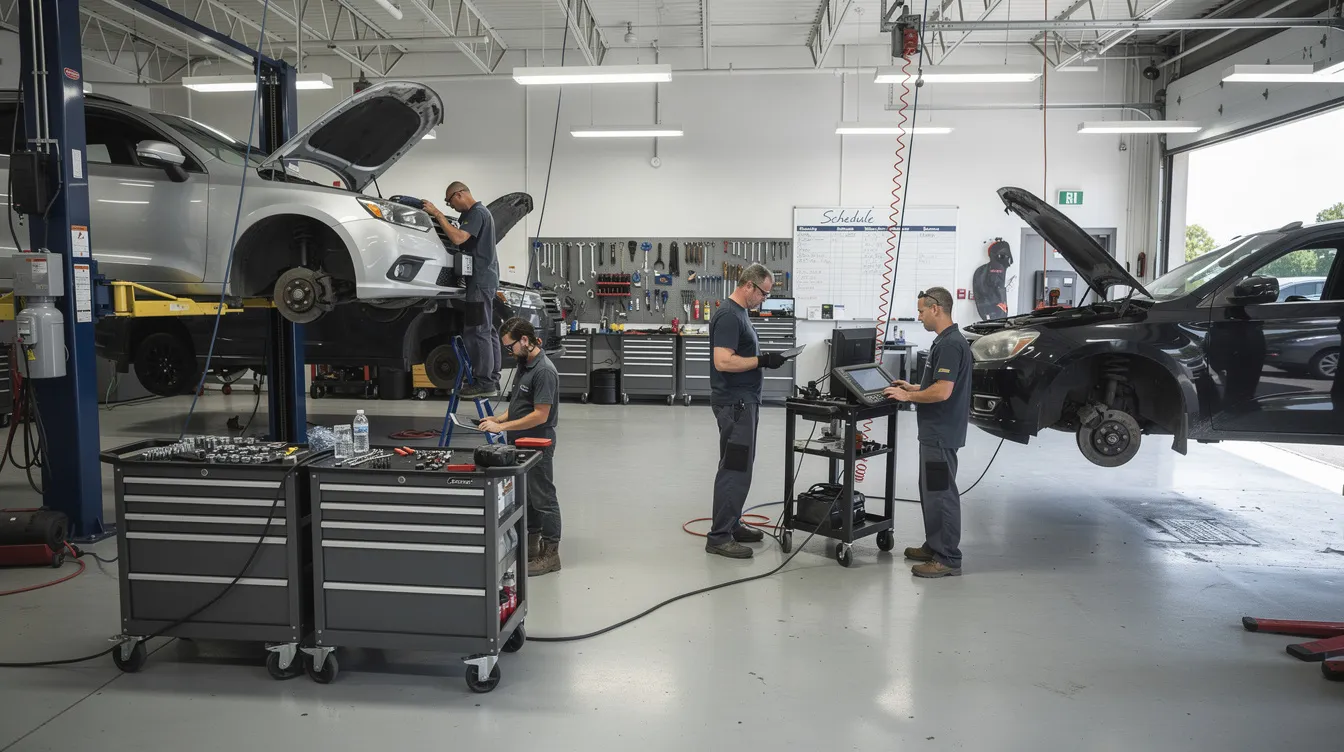
Between 2020 and 2025, carriers consistently see five claim types dominating auto repair accounts: damage to customer vehicles, customer slip-and-fall injuries, employee injuries, fire and theft losses, and faulty workmanship disputes.
Frequency and severity vary by shop type—quick lube versus auto body repair shop versus full mechanical—but all face some version of these liability exposures. Compare each category against your own incident log from the past 12–24 months.
1. Damage to Customer Vehicles in Your Care
Damage to customer vehicles while in your care, custody, or control ranks as the most frequent claim. This triggers garagekeepers liability coverage, which responds to scratches, dents, theft, fire, or weather damage.
Common scenarios include:
- A technician backing a customer’s car into a lift post
- Paint damage from overspray landing on an adjacent vehicle
- Hail damage to cars left in an unsecured overnight lot
Prevention tactics:
- Written check-in process with photos of each vehicle on arrival
- Standardized key control protocols with secure location storage
- Mandatory seat and fender covers during repair work
- Designated secure storage for high-value or overnight vehicles
- Clear backing and movement protocols for tight lots
Note: Garagekeepers covers vehicles in your care, while general liability excludes owned or cared-for vehicles but handles third-party bodily injury.
2. Customer Slip-and-Fall and Other Third-Party Injuries
Customer and visitor injuries on premises—primarily slip-and-fall incidents—trigger general liability claims. Wet floors, oil spills, and cluttered walkways create serious risk.
Real examples:
- A customer in March 2024 slipping on transmission fluid near the service counter
- A delivery driver tripping on an air hose
- A vendor struck by a rolling tire
Prevention measures:
- Daily opening and closing safety walk-throughs with documented checklists
- Clearly marked customer-only areas separate from active work bays
- Non-slip floor coatings near entrances and customer zones
- Immediate spill cleanup with absorbent materials and wet-floor signage
Good documentation—incident reports, photos, witness statements—helps defend claims related to these injuries more favorably.
3. Employee Injuries and Workers’ Compensation Claims
Technicians work around heavy machinery, hydraulic lifts, chemicals, and moving vehicles daily. Workers compensation remains one of the most frequently used coverages for many shops.
Typical injuries:
- Back strains from lifting wheels and tires in awkward positions
- Crush injuries from improper use of two-post lifts
- Burns from hot engines or welding (common 2023–2025)
- Respiratory issues from inadequate personal protective equipment around paints and solvents
Underlying causes include rushed same-day work, skipped lockout/tagout procedures, and insufficient training for new hires operating heavy equipment.
Prevention measures:
- Formal safety orientation for all employees
- Quarterly lift inspections with documentation
- Mandatory PPE policies: safety glasses, gloves, respirators in paint booths
- Ergonomic tools like tire dollies and transmission jacks
- Regular toolbox talks referencing OSHA guidance
Tracking near-misses helps reduce future employee injuries and supports better experience modification factors, potentially lowering lost wages costs and medical costs over time.
4. Fire, Theft, and Other Property Damage Losses
Property claims can be catastrophic, affecting buildings, electrical equipment, diagnostic tools, and inventory. Commercial property insurance and sometimes Inland Marine coverage respond to these losses.
Fire scenarios:
- Paint booth fires from improper ventilation of flammable liquids
- Shop rags soaked in solvents igniting in disposal cans
- Electrical systems overloading after hours
Theft examples:
- Catalytic converter theft from vehicles in the parking lot
- Stolen scan tools and welders
- Break-ins targeting cash flow assets and keys
Prevention practices:
- UL-listed fire suppression for paint booths
- Fire extinguishers and proper storage of oily rags and flammable materials
- Annual electrical inspections of all electrical equipment
- Fenced, well-lit lots with security cameras
- Detailed records and inventory lists with serial numbers for tools
When disaster strikes, having proper coverage and documentation makes all the difference between recovery and financial ruin affecting your financial stability.
5. Faulty Workmanship, Comebacks, and Professional Liability Claims
Mistakes in diagnosis or vehicle repairs can trigger disputes, additional damage, or accidents after customers leave. These may involve Garagekeepers, General Liability, or Errors & Omissions coverage depending on circumstances.
Examples:
- Loose wheel after tire rotation causing a collision
- Incorrect airbag sensor installation
- Improper ADAS calibration after windshield replacement
Redoing work is a business expense. But when faulty workmanship causes ensuing property damage or bodily injury, you can be held liable or held responsible for significant costs.
Prevention tactics:
- Step-by-step repair checklists for brakes, steering, and ADAS work
- Second-technician signoff on safety-related jobs
- Test-drive protocols before customer pickup
- Quality control logs identifying recurring issues
Shops with properly trained technicians and documented procedures face fewer workmanship claims.
How Proper Insurance Coverage Responds to These Claims
No single policy covers every exposure. Repair shops need bundled business insurance:
| Coverage Type | What It Covers |
|---|---|
| General Liability | Third-party bodily injury, slip-and-falls, advertising injury |
| Garagekeepers Liability | Customer vehicles damaged while in your care |
| Commercial Property | Building, tools, equipment, inventory |
| Workers Compensation | Employee injuries on the job |
| Commercial Auto | Shop-owned tow trucks, loaners, vans |
| Equipment Breakdown | Compressor failures, lift malfunctions |
| Umbrella/Excess | Additional limits above primary policies |
Review limits, deductibles, and exclusions annually—especially when adding services like EV repair or ADAS calibration. Having the right insurance coverage prevents coverage gaps when a covered event occurs.
Practical Ways to Prevent the Most Common Claims
Start implementing these risk management steps within 30–90 days:
- Create or update a written safety plan covering housekeeping, vehicle movement, chemical handling, and customer access
- Implement structured training: onboarding for new hires, annual refreshers, monthly safety meetings
- Conduct routine inspections: weekly walk-throughs for hazards, monthly fire extinguisher checks, documented lift maintenance
- Maintain documentation: incident reports, training attendance, equipment inspection logs
- Review loss runs with your insurance professional annually to identify patterns
Auto shops with clean histories often qualify for premium discounts and easier renewals.
Reducing Claim Costs from Shop-Owned Vehicles and Mobile Operations
Many auto body shops operate tow trucks, loaner vehicles, or mobile service vans. Commercial Auto insurance covers these separately from customer cars.
Prevention steps:
- MVR checks before assigning driving duties
- Written policies: no handheld phones, seat belts required
- Regular maintenance schedules for shop-owned vehicles
- Documented driver training
Telematics can monitor speeding and harsh braking, reducing accidents and controlling costs.
Claim Handling Best Practices When an Incident Occurs
Even with strong prevention, incidents happen. Your response in the first hours affects outcomes significantly.
Step-by-step response:
- Ensure safety and medical attention first
- Secure the scene
- Gather information and photos immediately
- Notify your insurer or agent promptly
- Cooperate fully with investigation
Designate an internal claims coordinator responsible for collecting documentation. After incidents, conduct root-cause reviews to prevent similar events and protect against reputational damage and potential legal action.
Conclusion: Turning Risk Management into a Competitive Advantage
The insurance claims auto repair shops face most often—vehicle damage, slips and falls, employee injuries, property losses, and workmanship errors—are largely preventable with disciplined safety practices and the right insurance needs addressed.
Shops with fewer claims benefit from favorable premiums, easier renewals, and stronger reputations. Schedule time within the next 30 days to review policies, recent incidents, and safety procedures with your team.
Investing in prevention, training, and documentation today ensures long term success as vehicles and repair technologies continue evolving. Staying informed and proactive protects both your business and your employees against the unique risks this industry presents.
Frequently Asked Questions
What type of insurance covers damage to a customer’s car while it’s in my shop?
Garagekeepers Legal Liability covers damage to customer vehicles in your care—not standard General Liability or personal auto coverage. This policy responds when a customer’s car gets scratched, dented, stolen, or damaged by fire or natural disasters while at your facility. Verify whether your policy is written on legal liability, direct primary, or direct excess basis, and choose limits reflecting the highest total vehicle value you might have on-site simultaneously.
How can I lower my auto repair shop’s insurance premiums without cutting coverage?
The most effective approach is reducing claim frequency and severity through better training, maintenance, and security measures. Implement formal safety programs, keep detailed records, install security cameras and better lighting, and address recurring patterns like repeated backing accidents. Ask your insurance professional about credits for alarm systems, sprinkler systems, written safety manuals, and drug-free workplace programs. National chains and independent shops alike benefit from clean loss histories.
Are customer injuries inside the shop covered the same way as employee injuries?
No. Customer and visitor injuries fall under General Liability, while employee injuries require Workers Compensation coverage. This distinction matters for both coverage response and claims handling. Shops cannot rely on health insurance alone for workplace injuries. Maintain both coverages and clearly document whether an injured person is an employee, contractor, customer, or third-party visitor when reporting any claim to provide coverage properly.
Do I really need separate coverage for my building, tools, and equipment?
Commercial Property insurance typically covers buildings and contents including tools, machinery, and inventory. However, high-value or mobile items like diagnostic equipment may need Inland Marine or Equipment Breakdown coverage. Create an updated inventory with estimated replacement costs to set accurate limits. Underinsuring property leads to coinsurance penalties or significant out-of-pocket costs after major losses from fire, theft, or business interruptions from hazardous materials incidents.
How often should I review my insurance and safety program?
Conduct comprehensive annual reviews before policy renewal, with interim reviews when adding services like EV repair or new equipment. Schedule quarterly internal safety reviews focusing on incidents, near-misses, and common exposures. Involve both management and frontline technicians to ensure written policies match actual shop practices in the bays where the real work happens.