
Key Takeaways
- As garages get larger, more finished, and more valuable, homeowners must adjust dwelling coverage, other structures coverage, contents limits, and liability limits accordingly.
- A basic 1-car storage garage may only need standard coverage, while a finished 3-car workshop with heat, plumbing, and expensive tools often requires customized limits and endorsements.
- Each growth stage—bigger, finished, converted to living space, or used for business—triggers different conversations with your insurance agent and sometimes entirely different policy types.
- Failing to update your insurance policy after adding square footage, insulation, electrical upgrades, or high-value equipment can leave you tens of thousands of dollars short after a total loss.
- Notify your insurer before or immediately after any major garage expansion, conversion, or new use to keep coverage in sync with actual risk.
Introduction: From Simple Storage To High-Value Space
Since the early 2000s, garages have evolved from simple 1-2 car storage spaces into gyms, workshops, studios, and full apartments—often adding $30,000–$100,000+ in rebuild cost. When we say “your garage grows,” we mean more square footage, more finishes like insulation and mini-split heating, more expensive contents like EV chargers and tool cabinets, and more intensive uses including business and rentals.
This article walks through how insurance requirements change at each stage so you can adjust coverage before a loss happens. Examples use common U.S. homeowners insurance policies in 2026, where other structures coverage defaults to 10% of dwelling coverage.
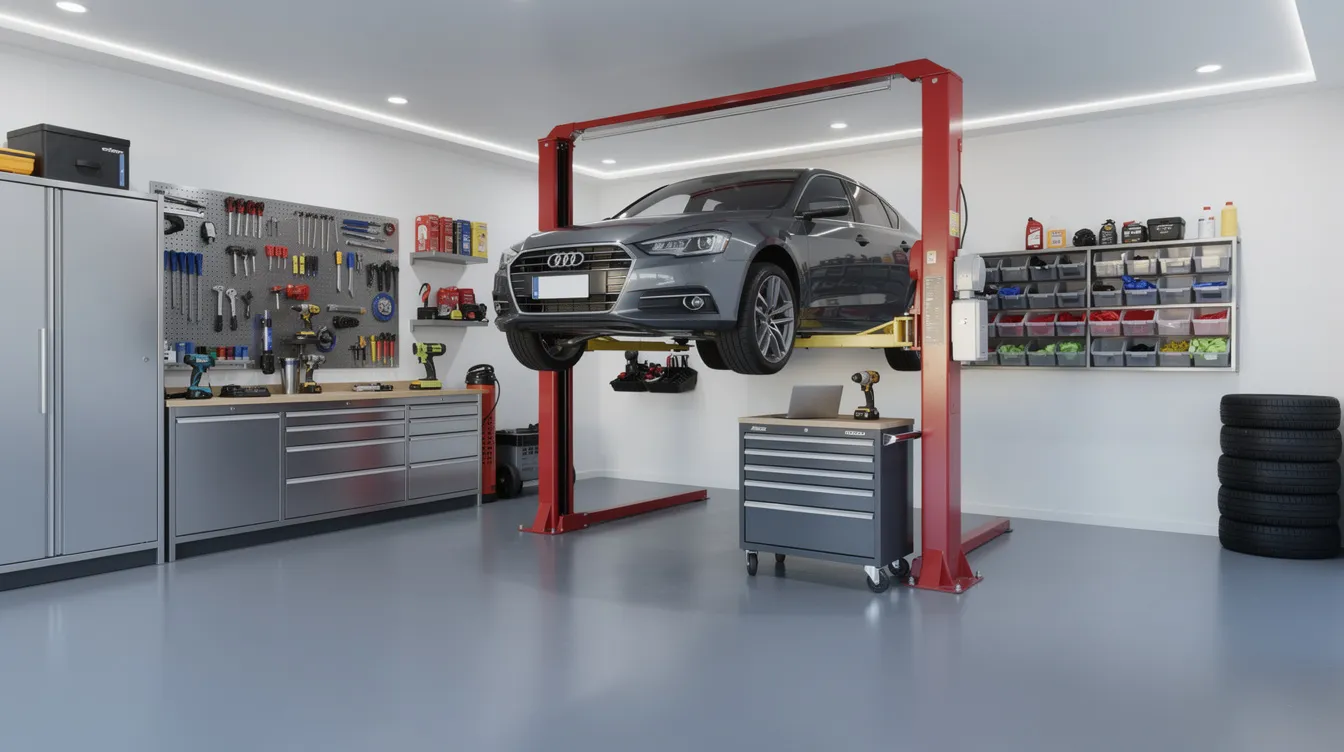
Stage 1: Basic Attached Garage – Standard Coverage May Be Enough
A typical 2-car attached garage built between 2000–2015 is mostly unfinished, used for parking vehicles and storing seasonal items and basic tools. Attached garages are normally insured under Coverage A (dwelling) automatically, sharing the same limit as your house—so separate structures coverage isn’t typically an issue.
Contents in the garage like bikes, tools, and lawn equipment fall under personal property coverage, but subject to sub-limits (often $2,000 for tools). For a $300,000 dwelling policy with a basic attached garage, extra garage-specific coverage may not yet be required unless you store high-value belongings.
Any claim for damage to an attached garage usually shares the same deductible as the house—commonly $1,000 or $2,500.
Stage 2: Growing Detached Garage – Other Structures Coverage Starts To Matter
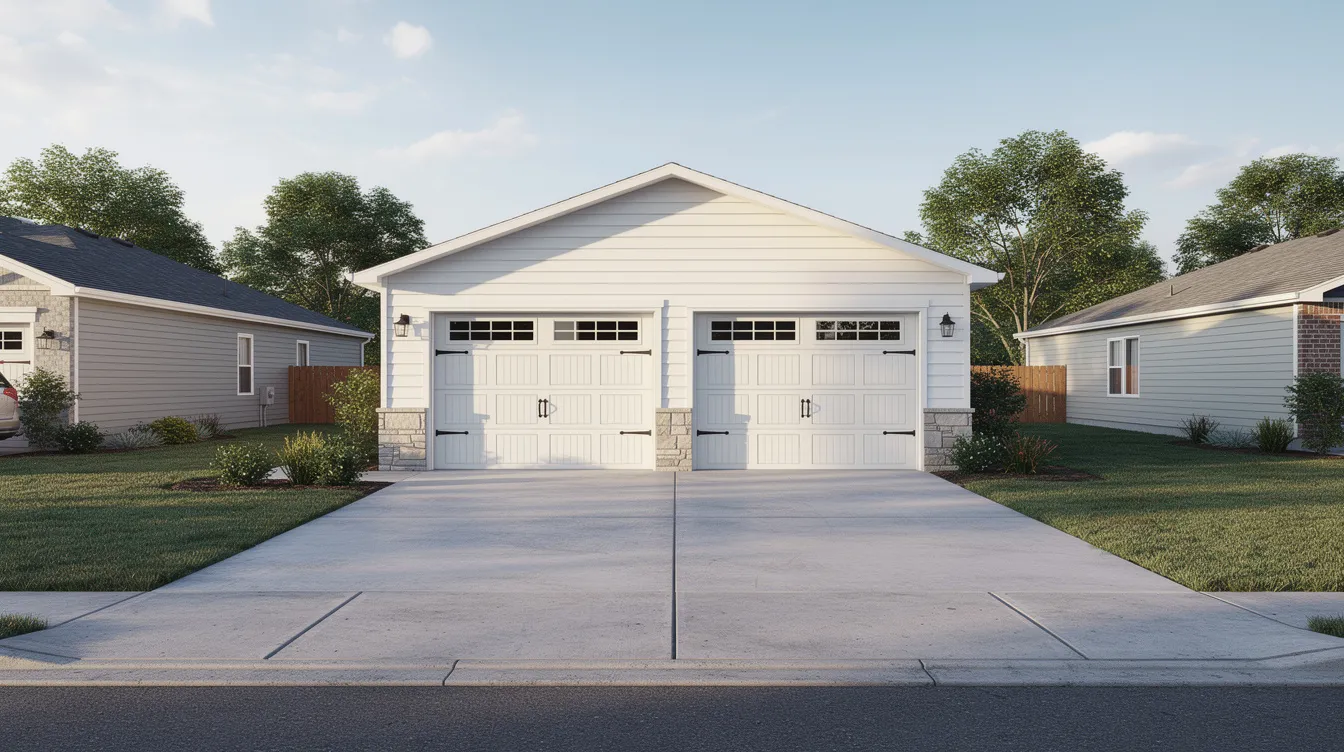
Adding a 24’ x 24’ detached garage in 2023–2026 for extra parking, a boat, or a hobby car typically costs $40,000–$60,000 to rebuild depending on your region. This is where Coverage B (other structures) becomes critical.
The math problem: Coverage B defaults to about 10% of Coverage A. A $350,000 home has only $35,000 for all detached structures combined—your garage, shed, fence, and outbuildings share this limit.
| Structure | Rebuild Cost | Default Coverage B | Gap |
|---|---|---|---|
| New detached garage | $55,000 | $35,000 | -$20,000 |
Ask your agent to increase Coverage B to a specific dollar amount that reflects your detached garage’s actual replacement value.
Also note: unpermitted or non-compliant construction may complicate claims. Verify your garage meets local zoning and permit requirements.
Stage 3: Finishing The Garage – From Storage To Living-Like Space
Common 2020s upgrades include insulating walls, adding drywall, epoxy flooring, built-in cabinets, mini-split HVAC, and half-bathrooms—transforming garages into workshops, home gyms, or media spaces.
Every finish increases replacement cost:
- Epoxy flooring + cabinets: $4,000–$7,000
- Mini-split HVAC: $3,000–$8,000
- Plumbing and fixtures: $5,000+
For attached garages, these upgrades increase your home’s overall rebuild value—review your Coverage A limits. For a detached garage, finishes may push the structure beyond existing other structures coverage, creating coverage gaps.
Insurers ask more underwriting questions once a garage becomes finished space: heating source, plumbing presence, sleeping areas, and cooking appliances. Some carriers treat highly finished detached garages like small guest houses, potentially requiring endorsements or different policy forms.
Stage 4: Converting Your Garage To Living Space – Insurance And Code Issues
Full conversions—turning a 2-car garage into a bedroom, in-law suite, or family room—involve adding walls, larger windows, full bathrooms, and independent entrances. Building codes matter significantly here.
Many U.S. cities have specific rules for accessory dwelling units (ADUs): egress window requirements, fire separation standards, and parking mandates. A Georgia court case ruled that an unattached garage wasn’t covered because the insurance policy “clearly differentiated between structures attached to the dwelling and those detached.”
Key distinctions:
- Permitted ADU/bonus room the insurer knows about: typically insurable with adjusted limits
- Informal, unpermitted garage bedroom: significantly riskier from a coverage standpoint
Once a garage becomes true living space, it affects rating factors: increased square footage, higher replacement cost, and potentially higher liability risk if rented to others. Your insurance company may adjust premiums accordingly.
Stage 5: High-Value Contents – Tools, Toys, And Specialty Equipment
The modern “dream garage” in 2026 contains professional-grade tool chests ($5,000–$15,000), multiple motorcycles, e-bikes, vehicle lifts ($8,000–$15,000), welding equipment, and EV charging stations with battery backup.
Standard personal property coverage has sub-limits that may not fully protect these items. Consider this scenario:
| Item Category | Value | Typical Sub-Limit |
|---|---|---|
| Professional tools | $25,000 | $2,000–$5,000 |
| Motorcycles & parts | $20,000 | Varies by policy |
A standard $100,000 contents limit with restrictive sub-limits leaves significant exposure. Floating, scheduled, or inland marine policies provide agreed values and broader perils coverage for high-value items.
Electrical upgrades like Level 2 EV chargers require licensed electrician installation meeting current codes—insurers verify this to assess fire risks.
Stage 6: Business, Hobbies, And Rentals – When You Leave Personal Use Behind
Many homeowners use garages for income: woodworking shops selling online, small engine repair, car detailing for pay, or renting finished garage apartments through Airbnb and Vrbo.
Most standard homeowners policies limit or exclude coverage for business property and business liability—even part-time, home-based activity.
Once income-generating activity occurs, you may need:
- Home-based business endorsement
- Small commercial policy
- Landlord/short-term rental endorsement
Example: A 2025 homeowner converts a detached garage into a rentable studio with a kitchenette. This fundamentally changes liability and property coverage needs—standard home insurance won’t adequately protect against guest injuries or property damage claims.
Insurers may require clear separation of business areas, upgraded safety measures, and will adjust premiums based on activity type.
Keeping Coverage In Sync As Your Garage Evolves
Garages rarely jump from basic to complex overnight—they evolve through several projects. Each step is an opportunity to inform your insurance provider and update coverage.
Project checklist:
- Get construction estimates
- Calculate added replacement cost
- Contact your agent before construction begins
- Confirm how Coverage A and Coverage B will change
- Document upgrades with photos and receipts
Triggers for immediate insurance review:
- Any project exceeding $10,000
- Adding plumbing or heating systems
- Installing business-grade equipment
- Earning rental income from the garage
Carriers vary in how they treat finished garages, ADUs, and home businesses in 2026. The safest approach is always a conversation with a licensed agent using current policy language. Review your declarations page today, identify your existing other structures limit, and discuss your next garage expansion before you break ground.
FAQs
Do I need to tell my insurer before I start a big garage project?
Yes. Contact your agent before major work like adding a new bay or converting space into a bedroom. This allows the insurer to confirm coverage during construction and adjust limits once complete. For detached garages built from the ground up, a builder’s risk endorsement may be recommended.
Will my homeowners insurance cover a garage with a wood stove or space heaters?
Many insurers have stricter rules for solid-fuel heat sources, requiring specific clearances, chimney types, and safety features. If installation isn’t to code, coverage may be declined. Portable space heaters can also affect underwriting—discuss heating choices with your agent.
Are vehicles inside my garage covered by my home insurance?
No. Cars, trucks, and motorcycles are typically covered under auto or motorcycle policies, not homeowners policies—even when damaged inside your garage. Maintain comprehensive coverage on valuable vehicles you store there.
Can I insure a detached garage on a separate parcel?
Coverage depends on policy language. Some homeowners policies only cover structures on the same premises as the insured dwelling. A garage on a separate lot may need its own policy or specific endorsement—bring your property survey to your agent for review.
What if my detached garage predates my current policy?
Age alone doesn’t prevent coverage, but insurers may ask about construction quality, electrical updates, and permit history. Get a replacement cost estimate and verify your other structures limit covers rebuilding at current materials and labor prices.