As Thanksgiving approaches, millions of Americans prepare to welcome loved ones into their homes for the big meal. But between the cooking, the crowd, and the chaos, this wonderful holiday also happens to be one of the riskiest days of the year for homeowners. Here is what you need to know to protect your family, your guests, and your finances.
Key Takeaways
- Thanksgiving 2026 (Thursday, November 26) is the peak day for home cooking fires in the U.S. Review your homeowner’s insurance before guests arrive so you understand limits, deductibles, and exclusions.
- Your insurance policy can help with cooking accidents, guest injuries, and theft, but only if you are adequately covered and know what is excluded.
- Thanksgiving week is one of the busiest travel periods of the year, involving about 48.7 million Americans. Double-check your auto insurance policy and consider rental car insurance if anyone is renting a vehicle.
- If relatives have long-distance travel plans, travel insurance can protect prepaid flights and accommodations when weather or illness disrupts the trip.
- Practical safety tips are your first line of defense. Use insurance as a financial backstop, not a substitute for prevention.
1. Why Thanksgiving Is a High-Risk Day for Homeowners
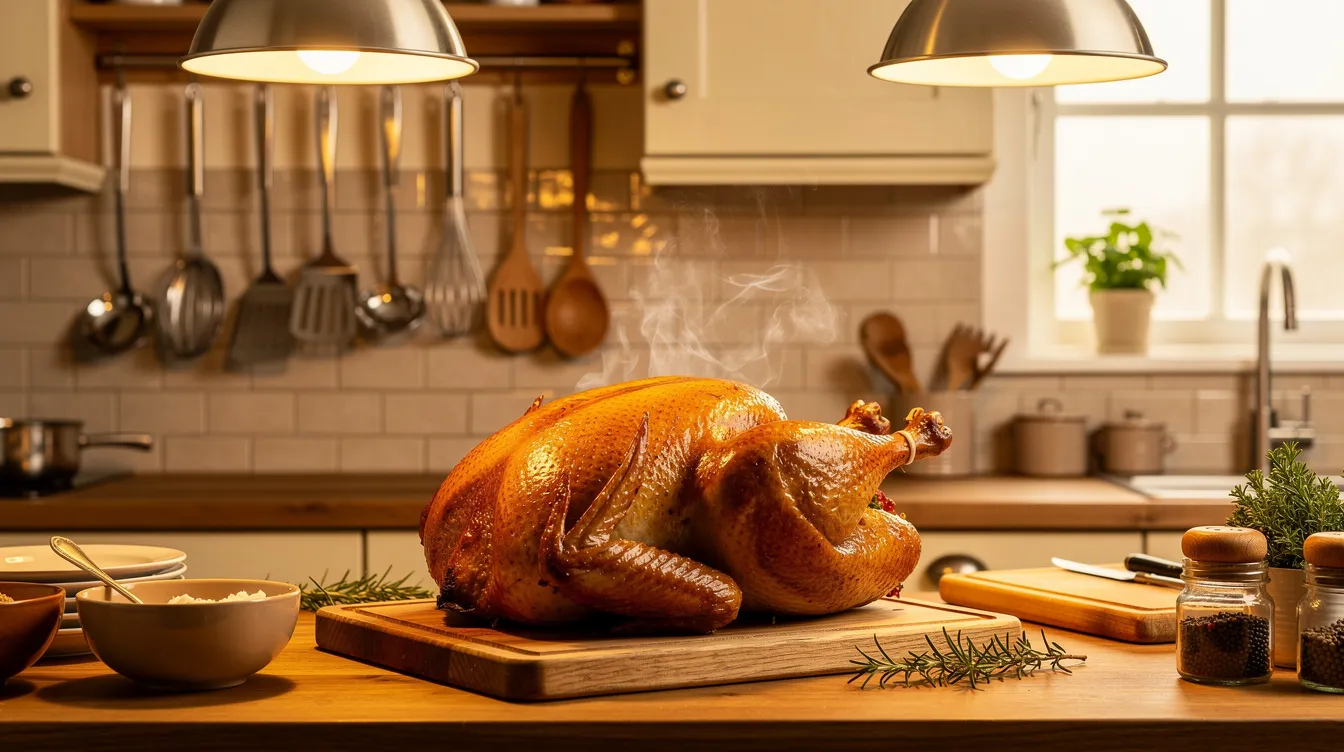
Thanksgiving combines extensive cooking, more people moving through your house, distracted hosts, and holiday travel into a single high-stakes event. It is the peak day for home cooking fires, the starting gun for the busiest travel period of the year, and a recipe for liability claims when overnight guests, kids, and older relatives are all under one roof.
Consider the data:
- In 2018, U.S. fire departments responded to 1,630 cooking fires on Thanksgiving alone. Cooking causes roughly half of all home fire calls annually, and unattended cooking is the leading cause.
- Car crash likelihood increases significantly during Thanksgiving travel thanks to heavier traffic, earlier nightfall, and potential ice or rain.
- More people in the home means more chances for slips, falls, burns, and emergency room visits.
Think of concrete scenarios: an overfilled deep fryer on the patio, unsupervised candles in a guest room, or friends parking on an icy driveway. Each one can lead to a claim. Your homeowner’s insurance, auto coverage, and possibly travel insurance all work together to protect your finances around the holiday, but only if you understand them first.
2. Homeowner’s Insurance Essentials Before You Host
Hosting even a small Thanksgiving dinner effectively turns your house into a short-term event venue. That makes a quick homeowner’s insurance checkup essential, ideally in early November so there is time to update your insurance policy if needed.
- Dwelling coverage: Confirm limits can handle a kitchen fire, smoke damage to cabinets, and structural repairs. Kitchen fires are a top Thanksgiving claim, and homeowner’s insurance may cover fire damage from cooking accidents.
- Personal property coverage: This can help replace damaged appliances, furniture, and electronics after fire, smoke, or water damage during meal prep.
- Personal liability: Standard homeowners policies typically include $100,000 to $300,000 in liability coverage. Personal liability coverage helps protect against injuries to guests on your property, whether someone slips on wet tile, trips on extension cords from Thanksgiving décor, or is burned by spilled hot gravy.
- Medical payments to others: Covers minor bills like urgent care for a guest cut while helping carve the turkey, regardless of fault. Limits are modest (often $1,000–$5,000) but useful.
- Exclusions: Damage from intentional acts, serious neglect (putting a deep fryer on a wooden deck against manufacturer warnings), or business-related events may not be covered. Your homeowner’s insurance should also cover costs from a break-in, but home robberies increase by 25 percent during the holiday season, so review your policy before Thanksgiving.
Don’t forget to review this the perfect time is now, not the week of the feast.
3. Cooking Accidents and Kitchen Safety Tips
Cooking accidents are the number one source of Thanksgiving claims. Prevention is the sure way to stay safe, keep premiums stable, and avoid the stress of a claim. Grease fires can start quickly and spread fast, and even a covered loss still requires paying a deductible and enduring smoke cleanup.
Must-do safety tips:
- Assign one “kitchen captain” to oversee the oven, stovetop, and timers for every dish.
- Keep kids and pets out of the kitchen area. Establish a three-foot safety zone around the stove.
- Never leave cooking unattended. If you must step away, turn off the burner.
- Avoid loose sleeves near open flame.
- For grease fires, never use water. Smother with a metal lid or baking soda, and keep an ABC or Class K fire extinguisher within easy reach but not directly above the stove.
- For oven fires, keep the door closed and turn off the heat.
If you plan to deep fry a turkey outdoors, set up the fryer far from siding, deck railings, and overhanging branches. Ignoring manufacturer guidelines could matter when filing a claim. Smart habits in the kitchen reduce risk, costs, and the chance that your Thanksgiving feast ends with a call to the fire department instead of dessert.
4. Auto Insurance and Holiday Travel for Hosts and Guests
Thanksgiving week 2026 is one of the busiest travel periods of the year, with about 48.7 million Americans hitting the road. The chance of a car crash increases exponentially with heavier traffic, bad weather, and fatigue. Before anyone drives to your Thanksgiving dinner, both hosts and guests should review their auto insurance policy.
- Liability covers injuries and damage you cause to others. State minimums may not be enough for a serious accident.
- Collision covers your own car in a crash, regardless of fault.
- Comprehensive covers hail, theft, and vandalism while your car is parked at a crowded holiday gathering.
- Rental car insurance: If guests are flying in and renting a vehicle, their personal auto insurance may extend to the rental, but not always. Consider rental car insurance or check whether a credit card provides supplemental coverage.
- Parking scenarios: If a guest backs into a neighbor’s fence or mailbox, the guest’s auto insurance policy generally responds for vehicle-caused property damage.
Safe hosting practices matter too. Set a firm expectation around alcohol intake and driving. Arrange a designated driver, rideshare, or overnight sleeping space for anyone who shouldn’t drive. Confirm current insurance ID cards, coverage limits, and roadside assistance before the trip.
5. Travel Plans, Travel Insurance, and Out-of-Town Guests
Whether you are leaving home to celebrate elsewhere or expecting family flying in from across the country, travel plans deserve attention. One in six Americans faces travel disruptions during Thanksgiving, including long delays and canceled flights, yet only one in five affected travelers had travel insurance.
- Travel insurance can cover trip cancellation from illness, severe weather shutting down a major airport, or missed connections on the Wednesday peak day. At roughly $20 per trip on average, it is inexpensive relative to nonrefundable holiday airfare.
- Existing coverage fills some gaps: health insurance may handle medical care away from home, auto insurance may extend to rentals, and homeowner’s insurance can cover personal belongings brought on the trip (subject to off-premises limits).
- If you are leaving your house empty, use timers on outdoor lights, have a neighbor collect mail, and verify your homeowner’s insurance requirements for unoccupied homes.
- Some credit cards offer built-in travel protections, but limits are often lower than a dedicated policy. Read terms carefully.
6. Extra Holiday Liabilities: Pets, Alcohol, and Overnight Guests
Thanksgiving gatherings often include pets underfoot, alcohol at the table, and family sleeping over for the long weekend. Each introduces extra liability for homeowners that many people forget about.
- Pets: Hosts may be liable for guests injured by their pets. A nervous dog biting a guest or a cat triggering food allergies can lead to claims. Some insurers exclude certain breeds. And speaking of allergies, 200,000 Americans are hospitalized yearly due to food allergies, so being transparent about ingredients protects everyone.
- Alcohol: Social host liability laws vary by state. In many jurisdictions, hosts can be held liable for alcohol-related incidents involving intoxicated guests who later cause a car crash. Social host liability can affect your homeowner’s insurance. Reduce risk by offering plenty of food alongside drinks and determining when to stop serving.
- Overnight guests: Test smoke alarms in guest rooms, clear clutter in hallways, and secure loose rugs on stairs. If someone falls in the dark, your homeowner’s coverage may respond.
- Umbrella insurance: Personal umbrella insurance provides extra liability protection beyond standard homeowners limits. A $1 million umbrella typically costs $150–$300 per year and is worth considering if you regularly host large events or serve alcohol.
7. Quick Thanksgiving Safety Checklist for Homeowners
Run through this checklist the morning of Thanksgiving. It takes ten minutes and can save you days of claim headaches.
Kitchen:
- Fire extinguisher visible and within easy reach
- Pot handles turned inward, timers set for every dish
- Smoke alarms tested and operational
Home:
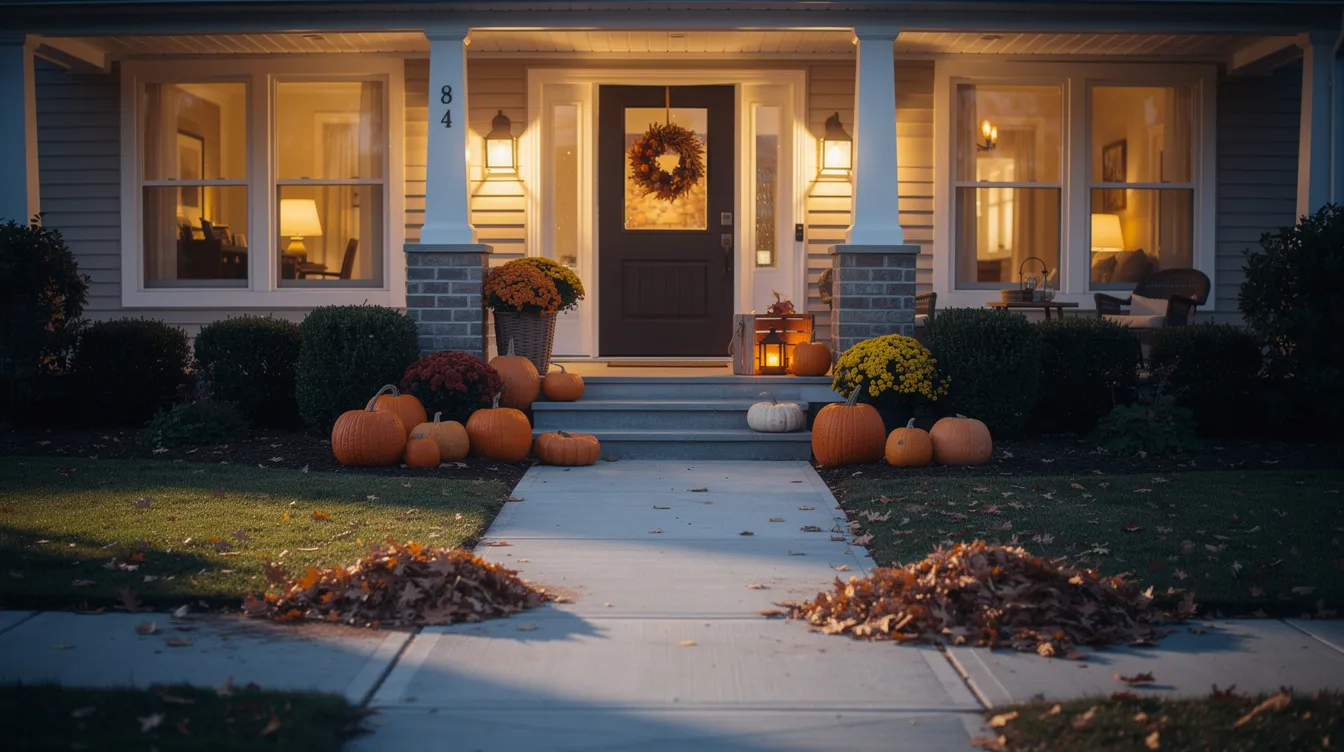
- Clear walkways to prevent slip-and-fall claims, indoors and out
- Outdoor lights and motion detectors on
- Railings secure, loose rugs removed
Guests:
- Night-lights in hallways and bathrooms
- Tripping hazards removed from guest sleeping areas
Car and travel:
- Designated driver or rideshare plans confirmed
- Elderly relatives know parking and walking routes in low light
- Out-of-town guests carry insurance cards
Before the event: Documenting valuables can help support claims for theft or property damage. Walk through your home with your smartphone and snap quick photos of rooms, electronics, and decorations. That basic inventory could be invaluable if something goes worse than expected.
A 10-minute safety review on the morning of the holiday can prevent weeks of dealing with an insurance claim. Don’t forget this step, and don’t skip putting it on your to-do list alongside the dinner prep.
Happy Thanksgiving, and may it be a wonderful time spent with friends, family, and great food rather than insurance adjusters. Stay safe, review your coverage, and enjoy every bite of that Thanksgiving feast knowing you have done what you can to keep your home safe.
Frequently Asked Questions
Does homeowner’s insurance cover injuries to my Thanksgiving guests?
Most policies include personal liability and medical payments coverage that can help pay for guest injuries, such as a sprained ankle on icy steps. However, injuries to people who live in your home are generally excluded. If you often host large gatherings, consider increasing your liability limits above the standard $100,000–$300,000 range. Be sure not to share too many details on social media posts before confirming your home is secure, as public event announcements can attract unwanted attention.
Are deep-fried turkey accidents always covered by my insurance policy?
Many cooking fires, including deep fried turkey accidents, are typically covered when they are sudden and accidental. But if clear manufacturer warnings or local fire codes were ignored, your insurer may question the claim. According to NFPA data, Thanksgiving is consistently the peak day for cooking fires. Always place fryers well away from the house, never on wooden decks, and follow every safety instruction to protect both your family and your claim eligibility. Christmas Eve and Christmas Day also see elevated fire risk, so these precautions apply beyond just Thanksgiving.
If a guest drives home drunk after my party, can I be held liable?
Yes, depending on your state. Social host liability laws exist in many states and can hold you responsible if you knowingly overserve a visibly intoxicated guest who then causes an accident. Prioritize safe transportation: a designated driver, rideshares, or offering a spare bed. Ask your insurance professional how your liability and umbrella coverage would respond under your local laws.
Will travel insurance cover me if I decide not to travel because of general safety worries?
Standard travel insurance covers specific qualifying events like illness, severe weather, or airline strikes, not a simple change of heart. “Cancel For Any Reason” (CFAR) upgrades may reimburse 50–75 percent of nonrefundable costs if purchased early, but they add to the price. Read terms carefully when booking Thanksgiving flights.
What quick insurance checks should I do the week before Thanksgiving?
Confirm that your homeowner’s insurance, auto insurance policy, and health insurance ID cards are current. Review deductibles and liability limits. Verify emergency contact numbers and store digital copies of policies where you can access them during travel. If you plan an unusually large event, extensive travel, or high-risk cooking setups like a deep fry station, contact your insurance advisor a week or two ahead to determine whether you need additional coverage.