
The holiday season brings packed highways, unpredictable weather, and millions of drivers sharing the same routes at the same time. Before you hit the road this year, a quick review of your auto insurance and vehicle readiness can mean the difference between a stress free trip and a financial disaster.
Key Takeaways
- Review your auto insurance before holiday travel – confirm liability, collision coverage, comprehensive coverage, and roadside assistance coverage are active and adequate.
- Traffic deaths increase 30% during holidays compared to non-holidays, making preparation more important than any other time of the past year.
- Plan ahead by checking your route, weather forecasts, and driving habits before leaving early for your trip.
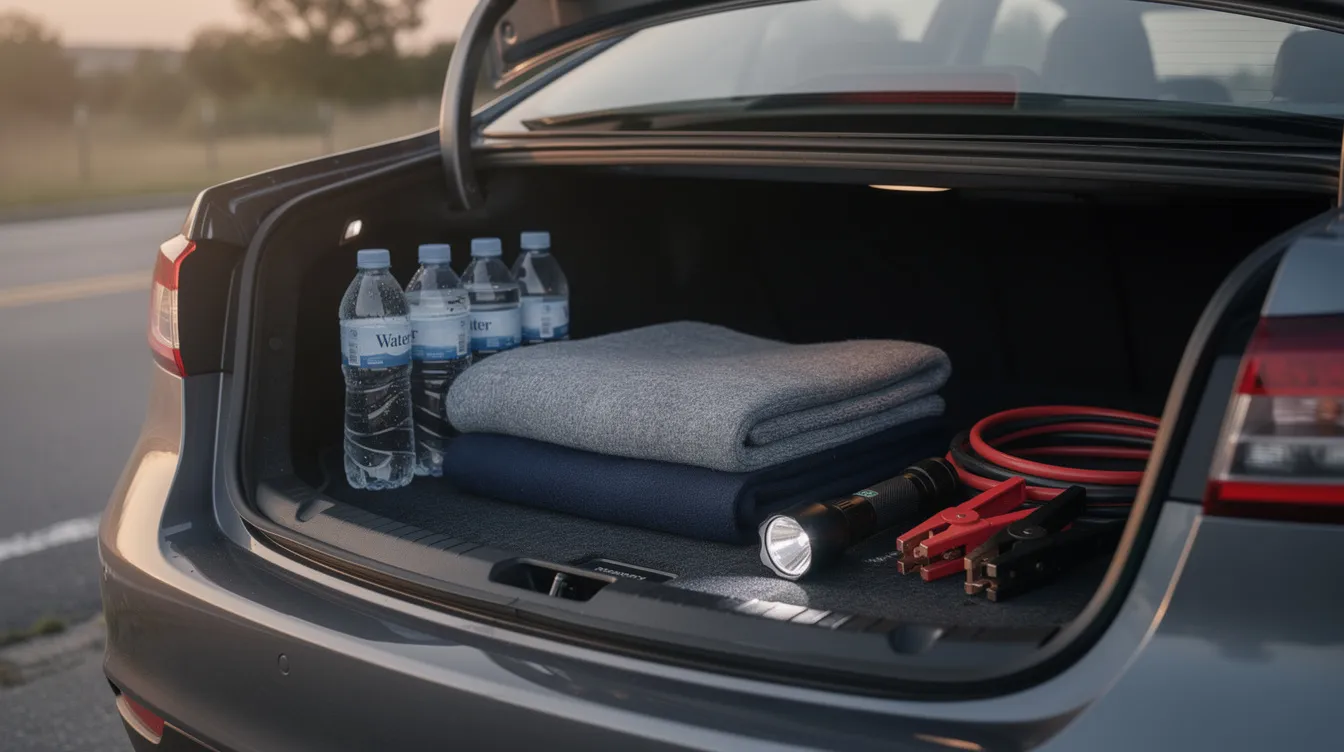
- Pack an emergency kit with blankets, water, a first aid kit, jumper cables, and a flashlight for longer trips on winter roads.
- Roadside assistance coverage is vital during holiday travel – it can save you during breakdowns far from home and give your loved ones peace of mind.
Holiday Travel Risks: Why Your Insurance Matters More in November–January
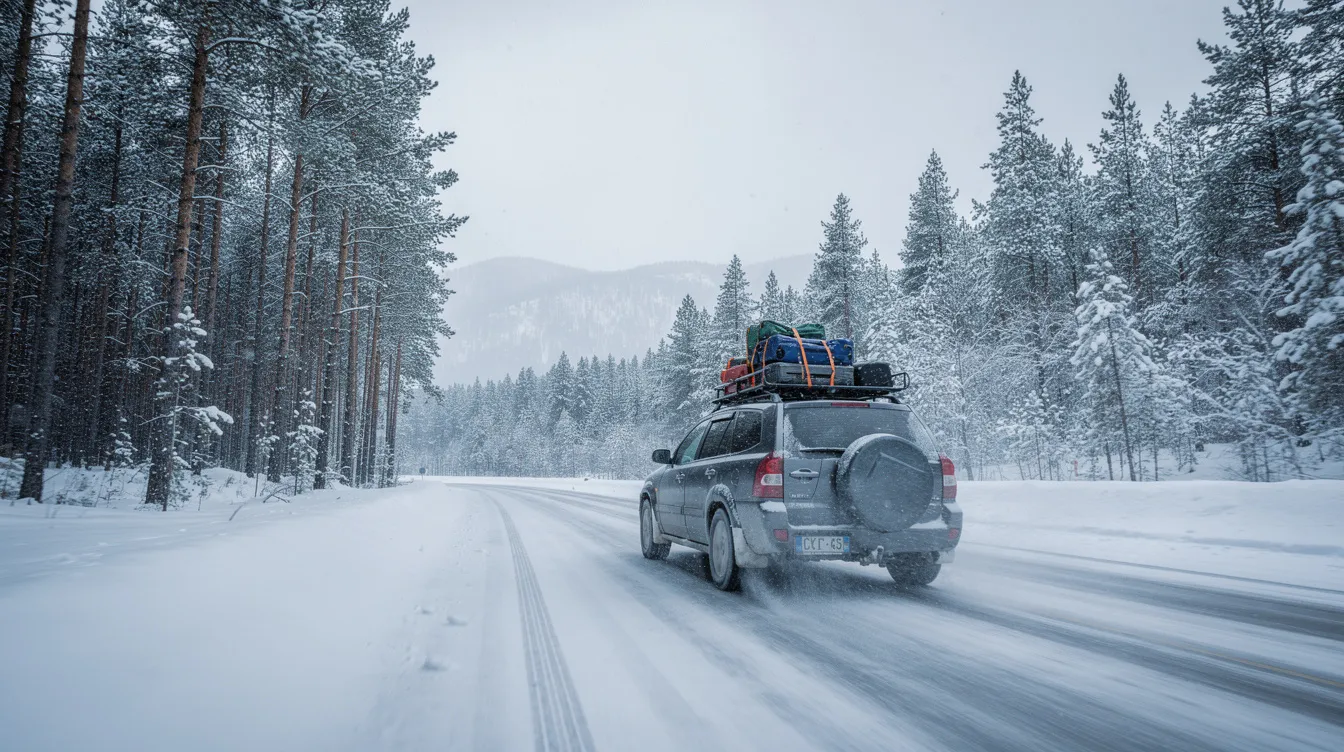
The stretch from Thanksgiving through New Year’s Day is one of the most dangerous times to be behind the wheel. Heavy traffic, drowsy driving after long meals, and impaired driving on New Year’s Eve all create an increased risk of serious traffic crashes. In fact, 131 people died on U.S. roads during Christmas 2024 alone, and the National Safety Council estimates roughly 429 deaths during the New Year’s holiday period – with 34% involving alcohol-impaired drivers.
Winter weather compounds the problem. Snow, black ice, freezing rain, and fog reduce reaction time and increase visibility challenges. Animal strikes – particularly deer – see claim frequency more than double in November compared to the average month. When you combine these several factors with crowded parking lots and unfamiliar routes, your current policy needs to be ready for unexpected events.
Is Your Auto Insurance Ready for Holiday Travel?
A 10–15 minute policy review in early November can prevent thousands of dollars in out-of-pocket costs. Here’s what to check on your declarations page:
- Liability – liability coverage helps cover damage if you’re at fault in an accident. Liability limits should be adequate for potential accident costs, especially in multi-car holiday crashes. Most states set minimums far too low for serious injuries.
- Collision – collision coverage covers accidents with other vehicles or objects. Essential if you finance or lease your car and plan long road trips on busy interstates.
- Comprehensive – comprehensive coverage pays for theft or weather-related damage, including vandalism in crowded shopping areas and deer strikes during the busy holiday season.
- Uninsured/underinsured motorist – uninsured/underinsured motorist coverage is important for holiday traffic, particularly when crossing states where other drivers may carry bare-minimum insurance.
Reviewing your coverage limits is essential before holiday travel. Ensure adequate liability coverage for longer trips and verify deductible amounts to ensure they are affordable if you need to file a claim. Car insurance rates increased over 17% in the past year, so review your policy for discounts before traveling.
Confirmation of active coverage is essential before travel – make sure payments are current, all drivers are listed, and digital proof of insurance should be easily accessible on your phone.
Roadside Assistance and Rental Cars: The Unsung Heroes of Long Road Trips
Breakdowns during busy travel periods are far more disruptive when you’re hundreds of miles from home. Roadside assistance covers services like towing and battery jumps, plus flat tire changes, lockout help, and limited fuel delivery. Most insurers offer this for $10 to $20 per year – a small price for the safety net it provides on icy or rural roads.
Check whether roadside assistance is already part of your auto policy, credit card benefits, or automaker program. Rental car coverage may be necessary if taking an extended trip, and trip interruption coverage can reimburse unexpected expenses like hotel stays if your vehicle breaks down mid-route.
Emergency contact numbers should be saved in a convenient location – your phone and your glove box – so you can reach help fast from any safe location.
Before renting, confirm whether your personal insurance extends liability and collision to rental vehicles. Gaps in coverage for “loss of use” fees can surprise you: one traveler was billed over $1,200 despite having full coverage on her personal car. A collision damage waiver at the counter can provide extra protection in unfamiliar cities.
Plan Ahead: Route, Weather, and Driving Habits for Safer Holiday Travel
Safe holiday travel starts before you leave your driveway. Plan your route and check for weather delays before leaving. Use traffic apps to spot snowstorms, high winds, or ice advisories along your distance.
These safety tips reduce stress and protect everyone in the car:
- Leave early to reduce stress and avoid traffic delays – consider off-peak days like the Tuesday before Thanksgiving.
- Plan to stop every two hours or 100 miles on long trips. Take regular breaks, stretch, and switch drivers to fight drowsy driving.
- Obey speed limits, maintain a safe following distance, and use turn signals and brake lights consistently.
- Stay alert and stay focused – keep your cell phone in “Do Not Disturb” mode and give the road your full attention.
- Watch vehicles ahead carefully and adjust safe driving habits for wet or icy pavement to increase visibility and protect against accidents.
- Use your seat belt at all times – it remains the simplest way to stay safe behind the wheel.
Vehicle Readiness and Emergency Kit Essentials for Winter Roads
A well-maintained vehicle is less likely to break down or contribute to an at-fault crash. Perform a vehicle inspection if it’s due for maintenance, and complete these pre-trip checks:
- Check tire pressure and tread before your trip – including the spare. Tires in good shape with good tread are critical on snow and ice.
- Test brakes, windshield wipers, and all exterior lights.
- Inspect oil, coolant, and washer fluid levels before traveling – use washer fluid rated for freezing temperatures.
Pack an emergency kit with blankets, water, and a flashlight, plus a first aid kit, phone charger, jumper cables, and non-perishable snacks. For winter weather, add an ice scraper, small shovel, sand or kitty litter for traction, and reflective triangles. Any family member traveling with children or pets should pack medications, baby supplies, and comfort items.
Keep vehicle documents in your car during travel, and snap photos of existing damage before departure to support any future insurance claim.
Special Situations: Crossing State Lines, Rentals, and Other Holiday Surprises
Holiday travel often means crossing multiple states, borrowing a car, or renting for a road trip. Review state-specific insurance requirements when traveling – your auto policy typically adjusts to meet another state’s minimum liability, but your own higher limits are what truly protect you.
Check coverage terms for additional drivers sharing the trip. If a college student or young adult is coming home for the holidays, confirm they’re still a listed driver with accurate address and usage details. Confirm coverage for driving across international borders if your route takes you into Canada or Mexico.
Make policy changes – adding roadside assistance, raising limits, or listing a new vehicle – several days before you plan to hit the road. Preparing from a rest area after a breakdown is too late.
FAQs: Holiday Travel Safety and Auto Insurance
Do I need to change my auto insurance if I’m driving out of state for the holidays?
Most auto insurance policies automatically meet the minimum liability requirements of the state you’re driving in. However, state minimums are often dangerously low. Review your own limits to ensure they cover serious accidents involving multiple vehicles and injuries.
Is roadside assistance through my insurer enough for long winter road trips?
It depends on towing distance limits and the number of service calls allowed per term. Compare your insurer’s roadside assistance to standalone motor clubs like AAA – standalone programs sometimes offer longer towing distances and broader service networks in rural or mountain areas during December and January.
Should I buy the rental car company’s insurance for holiday travel?
If your personal auto policy and credit card benefits already cover liability and collision on rentals, you may not need it. But a collision damage waiver can fill gaps – especially for “loss of use” fees and diminished value charges common at busy holiday destinations.
Will my auto insurance cover items stolen from my car while I’m traveling?
Comprehensive coverage typically handles damage to the vehicle itself, such as a broken window from a break-in. Personal belongings stolen from inside the car are usually covered under homeowners or renters insurance, subject to separate deductibles and limits.
When is the best time to review my policy for holiday travel?
Review your auto policy in early November or at least two weeks before your first major holiday trip. This gives you enough time to adjust coverage, add endorsements, update listed drivers, and confirm everything is active before the holidays arrive.