Halloween is a spooktacular time for families, but the festive chaos of October 31 also brings real financial risk. From fire-damaged porches to slip-and-fall lawsuits, the scariest part of the season might be the insurance claim that follows. This guide combines practical halloween safety tips with clear coverage advice so you can enjoy every doorbell ring without dread.
Key Takeaways
- Halloween consistently ranks among the top days for home claims tied to fire, theft, vandalism, and injuries to trick or treaters. Standard homeowners insurance generally covers guest liability, but safety prep in October is essential.
- Clearing walkways, avoiding open flames, securing pets, and keeping your property well lit are simple halloween safety tips that dramatically reduce liability risks. Common Halloween liabilities include slips and falls, fires, and theft.
- Up-to-date homeowners, renters insurance, auto, and umbrella coverages work together to protect your home and finances from Halloween mishaps.
- Documenting decorations, locking doors and vehicles, and using cameras or smart doorbells can deter vandalism and support a claim if something happens. Halloween sees a spike in theft and vandalism claims each year.
- Review your policies and speak with your insurance agent in early October to confirm protections and deductibles before All Hallows’ Eve arrives.
Spooky Season, Real Risks: Why Halloween Safety Matters
As you plan for Halloween 2026, consider this: between October 30 and November 1 during 2017–2019, an estimated 9,200 fires were reported annually, causing roughly 25 deaths, 100 injuries, and $117 million in property damage. Halloween safety is not just about kids crossing the street. It is about protecting your home, guests, and finances from preventable incidents. Liability claims increase due to dark and crowded streets, and insurers consistently see late-October spikes in slip-and-fall injuries, decoration fires, vehicle break-ins, and pranks like egging or broken windows. Liability claims often increase during Halloween festivities overall. This article combines practical tips with easy-to-understand insurance guidance so you can handle the potential dangers of the night with confidence.
Make Your Home Safe for Trick or Treaters
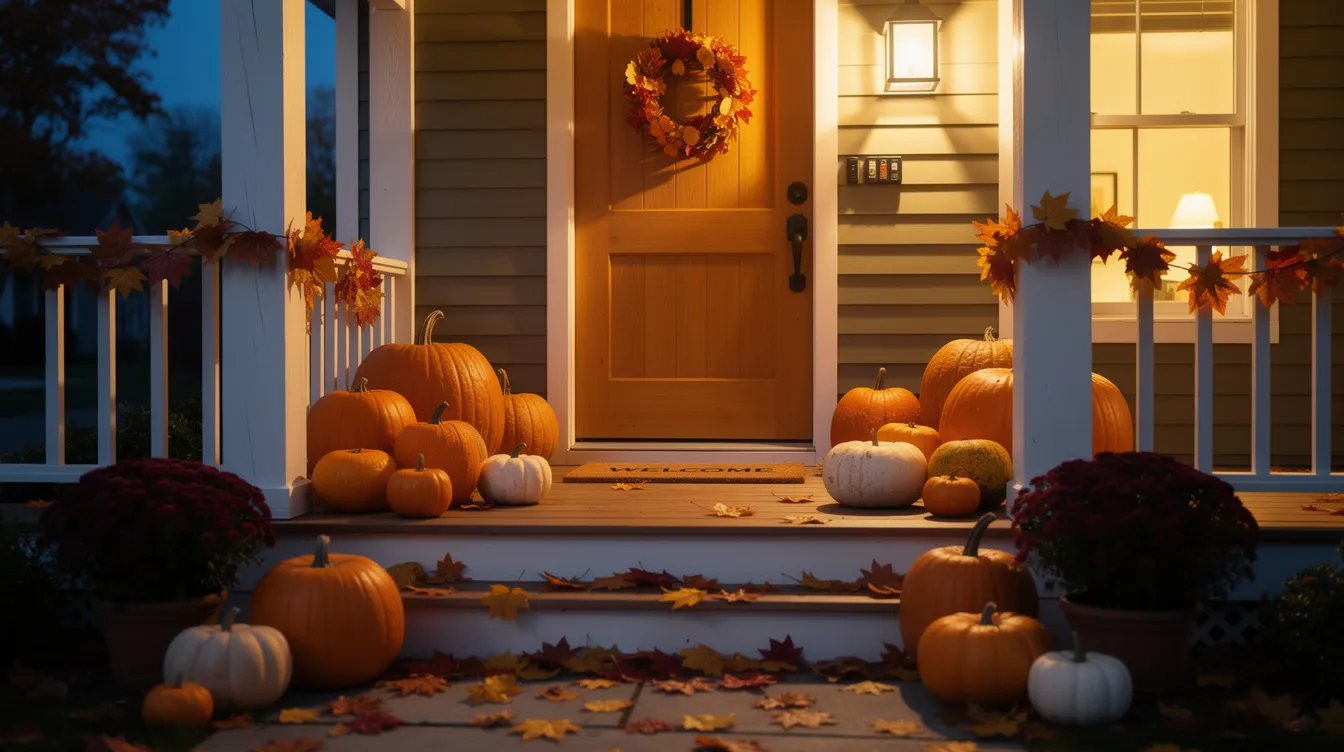
If you are expecting visitors on Halloween night, a safe property prevents both injuries and liability claims. Homeowners insurance may cover injuries to trick-or-treaters, but insurers expect reasonable care.
- Clear walkways a day or two before October 31. Remove extension cords, loose décor, wet leaves, and debris that create tripping hazards for kids in costumes and masks. Clear walkways to prevent accidents for trick-or-treaters and maintain clear entrances to deter liability while hosting.
- Light the path. Install motion sensor lights to enhance safety for visitors. Bright, motion-activated LED lights help everyone see steps, pumpkins, and decorations clearly in the dark, keeping the area well lit.
- Secure decorations. Keep decorations secured to prevent them from becoming tripping hazards. Relocate unstable inflatables, tall skeletons, or fake tombstones so they cannot topple onto children or block a clear path to exits.
- Limit property access to avoid indoor slip hazards by directing foot traffic to a single, safe entry point near the door.
Renters also need to ensure trick or treaters can navigate steps and access areas safely. Renters insurance typically includes liability protection for injuries to guests.
Fire-Free Frights: Decorations, Open Flames, and Electrical Safety
Open flames and overloaded outlets rank among the scariest potential hazards of the season. Fires from candles cause many Halloween insurance claims, and the average dollar loss per Halloween fire runs about $13,690 – higher than non-Halloween fires.
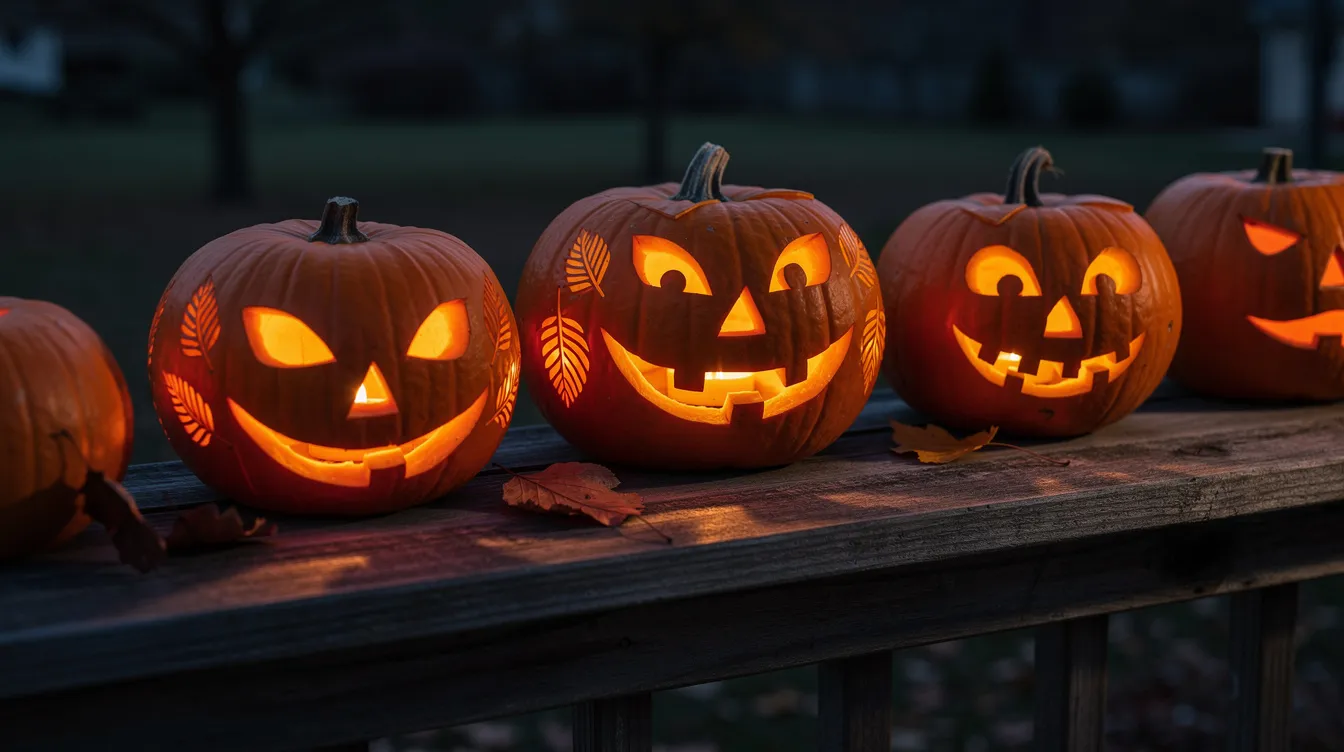
- Avoid open flames in Halloween decorations entirely. Use LED candles instead of wax candles for jack o lanterns and luminaries. Battery operated candles deliver the same spooky glow without the risk of real candles igniting costumes, synthetic cobwebs, dried cornstalks, or hanging fabrics near heat sources.
- Never leave burning candles unattended during Halloween. If you do use real candles, monitor lit jack o lanterns while outside and ensure pumpkins are scraped out completely before carving to reduce fuel.
- Inspect electrical decorations for safety before use. Check holiday extension cords and power strips for damage, keep electrical wires away from foot traffic, and never daisy-chain multiple strips for outdoor use displays.
Homeowners insurance may cover fire and smoke damage, but a large claim can mean a significant deductible and the loss of irreplaceable items. Test smoke alarms in October and review your policy limits and replacement-cost options before decorating. A few minutes of planning can save you from the cost of a preventable disaster.
Protect Your Home from Tricks: Theft, Vandalism, and Vacant Houses
Halloween night can draw pranksters, and vandalism claims have been reported to rise roughly 72% around this holiday. Simple precautions help protect your home whether you stay in or go out.
- Lock all doors and windows before Halloween night – even if you are home handing out candy. Lock doors and windows to prevent theft during Halloween as well as to deter pranks.
- Trim bushes and trees to eliminate hiding spots around your property.
- Leave a light on inside if you are away from home. Keep a TV or radio on so the house looks occupied.
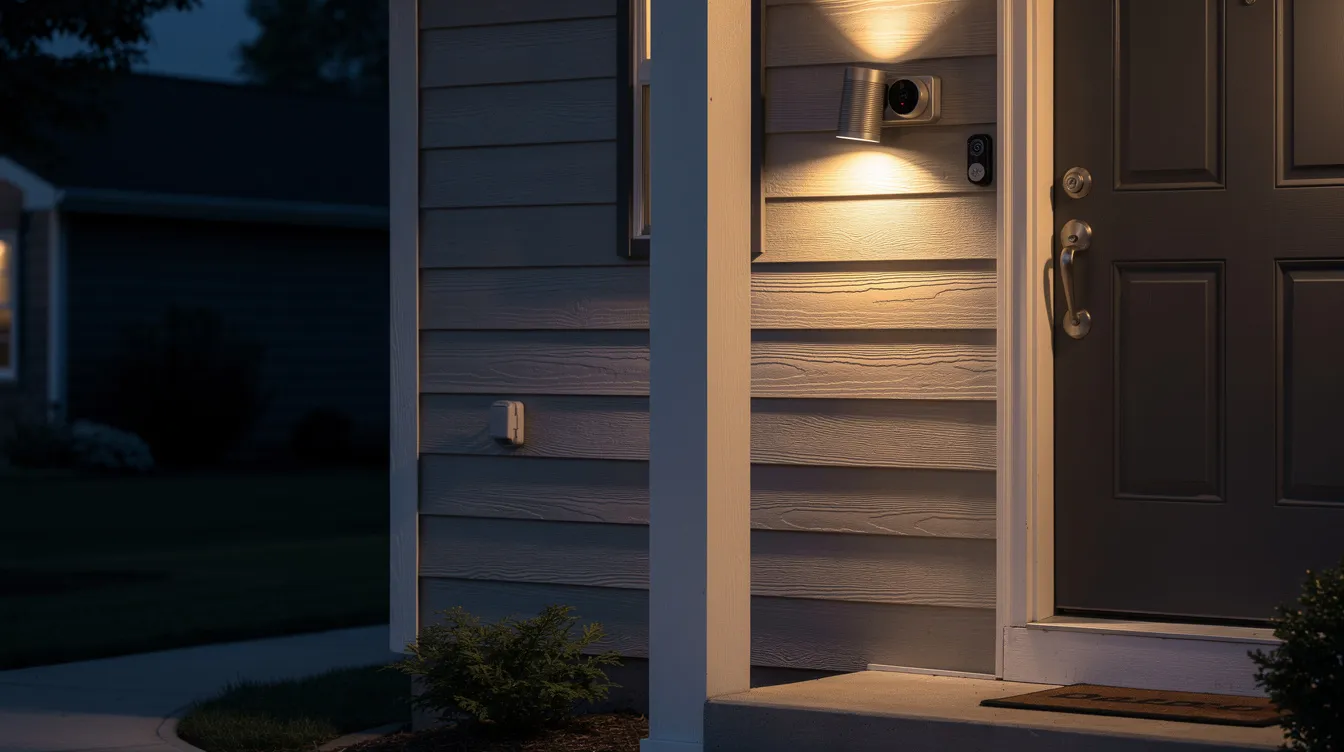
- Install motion sensor lights to deter vandalism around your porch and driveway. Use security cameras or smart doorbells to discourage destructive behavior and document any incident for a claim.
Homeowners insurance may cover property damage from vandalism, such as smashed windows or spray paint, but small cleanups might fall under the deductible. If you travel over Halloween, have a neighbor collect packages and mail. Avoid real-time social posts that reveal your home is empty. A home security system not only deters crime – it can also qualify you for insurance discounts.
For your car and any vehicle parked outside, comprehensive coverage under your auto insurance policies can respond to broken glass, theft, or malicious damage. Be careful to remove visible valuables from your car before dark.
Pets, Parties, and Liability: Managing Halloween Guests Safely
Excited trick or treaters, nonstop doorbells, and noisy parties stress pets. A stressed dog is far more likely to bite.
- Secure pets indoors to prevent aggressive behavior during Halloween. Keeping pets inside – in a closed room or crate away from the front door – prevents escapes, knocks, or injuries during peak hours.
- Keep all Halloween candy, especially chocolate and xylitol treats, in sealed containers out of reach of pets.
If you are hosting a party, provide well-lit stairs, sturdy railings, and a safe food and drink setup to limit spills and falls. A fog machine adds to the Halloween spirit, but it also reduces visibility, so keep it away from walkways. Liability coverage on homeowners or renters policies may apply if a guest is injured or if a dog bites someone, though certain breeds or prior incidents may affect coverage.
Anyone hosting bigger events should review their liability limits in advance and consider an umbrella policy, especially if you regularly entertain large groups at your family home.
Check Your Coverage Before Halloween: Home, Auto, and Umbrella Policies
Schedule a quick check-in with your insurance agent in early October each year. Homeowners should review insurance coverage before Halloween to avoid surprises.
| Coverage Type | What It Helps With on Halloween |
|---|---|
| Homeowners (Dwelling & Contents) | Fire, smoke, theft, vandalism damage |
| Homeowners Liability (Coverage E) | Injuries to visitors on your property |
| Medical Payments (Coverage F) | Minor guest injuries, regardless of fault |
| Renters Insurance | Personal property theft, guest liability in rental |
| Comprehensive Auto | Vandalism, broken glass, theft to your vehicle |
| Umbrella Policy | Extra protection when claims exceed primary limits |
Homeowners insurance may cover injuries to trick-or-treaters through personal liability, and the average liability claim severity runs about $26,000. Check your liability limits and consider an umbrella policy for additional coverage – umbrella policies provide extra protection for Halloween accidents and beyond. Home security systems can lower homeowners insurance premiums, so mention any cameras or alarms to your insurer.
Review whether your personal property is covered at replacement cost or actual cash value, confirm medical payments limits, and verify that high-value outdoor decorations have adequate coverage. Following halloween safety tips like these before the season starts protects both your family and your finances.
FAQ: Halloween Home Safety and Insurance
Does my homeowners insurance cover injuries to trick or treaters on my property?
Most homeowners policies include personal liability coverage that may help if a visitor is injured due to your negligence – for example, a poorly lit broken step or a hidden trip hazard. Coverage decisions depend on the specifics of the incident and the policy language. Document the scene with photos and contact your insurer promptly after any accident.
Are Halloween decorations covered if they are stolen or damaged?
Outdoor decorations you own are generally considered personal property and may be covered for theft or vandalism, subject to your deductible and policy limits. Keep receipts or photos of elaborate displays so you can show proof of ownership and value if you need to file a claim.
What should I do immediately if my home is vandalized on Halloween night?
Prioritize safety first. Then document the damage with photos and video, and report serious vandalism – broken windows, graffiti, or stolen items – to the police. Contact your insurance company as soon as practical to review coverage, next steps for repairs, and whether filing a claim makes sense given your deductible.
Is my liability different if I host a large Halloween party at home?
Inviting more people onto your property increases the chance of an injury and the potential severity of a claim. Your existing liability limits might not be sufficient for a major accident. Review your homeowners liability limits and ask your insurance agent about an umbrella policy well before sending invitations.
Do I need extra coverage for Halloween if I’m a renter instead of a homeowner?
Renters still face Halloween risks like theft of belongings, dog bites, and guest injuries on their porch or balcony. Renters insurance provides both property and liability protection. Review your policy before late October to ensure limits and deductibles match your current needs – and contact your insurer with any questions about what is covered.