
Key Takeaways
- Off season prep protects your vacation home or cabin from weather damage, pests, and costly surprises between October and April. A single frozen pipe incident can result in an average insurance payout exceeding $30,000, so the stakes are real.
- A clear, repeatable checklist makes closing up faster each year and keeps your place ready for the next peak season. Start preparation by mid-to-late October, well before the first hard freeze.
- Securing the property (locks, water, power, heat) and removing food and personal items are the two most important priorities. Owners who use their place as a vacation rental or short term rental need a slightly different routine than owners who keep it strictly personal.
- Proper off season care improves guest reviews, reduces emergency calls, and helps your vacation home or cabin hold its value long term. You can expect your vacation home to grow in value over time, but only if you maintain it.
Introduction: Why Off-Season Prep Matters for Your Vacation Home or Cabin
Picture this: you pull up to your lake cabin in May, kids in the backseat, ready for the first trip of summer. You unlock the door and find warped floors, a ceiling stain the size of a dining table, and the unmistakable smell of mildew. A pipe froze and burst sometime in January. Nobody noticed for months. Owning a cabin may double your current maintenance costs compared to a primary residence, and skipping off season prep is the fastest way to prove that math right.
The “off season” for most vacation rentals runs roughly November through March at mountain and lake properties, though the principle applies to any stretch when demand is low and weather is harsh. If your property is a purely personal vacation home, you can fully shut down utilities and leave. If you’re an Airbnb host or run a short term rental that still sees occasional winter guests, you’ll need to keep certain systems active while still protecting the property.
This post walks through everything: security and utilities, cleaning, exterior weatherization, protecting personal items, and special considerations for active vacation rentals. Think of it as a practical, owner-tested checklist you can print and use every fall.
Set Your Off-Season Plan and Timeline
Preparation should start 2 to 4 weeks before your final departure rather than the last afternoon at the cabin. Rushing through winterization is how things get missed.
- Pick a fixed “closing date” each year – for example, the last Sunday in October – and work backward to schedule tasks and service appointments.
- Coordinate with local providers (plumber for winterization, chimney sweep, HVAC service, gutter cleaning) and book them at least a month ahead. Fall weekends fill fast in cabin country. In Northern Michigan, plumbing professionals note that cabins closed properly in October almost always avoid winter plumbing failures.
- Make two separate checklists: one for a purely vacant off season and one for a property that might still see occasional winter guests or owner visits.
- Keep a printed, reusable checklist in a binder or laminated sheet stored on site so every adult, family member, or property management company rep can follow the same routine each year.
Secure the Property: Locks, Access, and Alarm Systems
Many off season problems are made worse by unauthorized entry, so physical security should be addressed early in your closing routine.
- Check and upgrade exterior door hardware: deadbolts, strike plates, and door viewers. Ensure sliding glass doors at decks or patios have security bars or dowels. Lock all windows and doors securely to enhance security.
- All windows – including basement and loft windows – should be closed, latched, and visually inspected. Add secondary locks or sash pins where older frames are loose.
- Replace “fake rocks” and other obvious hidden keys with a proper lockbox or smart lock. Limit key access to a short list of trusted people: a neighbor, cleaner, or property manager.
- Arm alarm and camera systems, update passcodes for each off season, and confirm that monitoring companies and emergency contacts have current phone numbers. Test smoke detectors and replace batteries if needed before leaving, and verify carbon monoxide detectors are functioning.
- Label the property address clearly inside the entry, near the fuse box or thermostat, for cleaners or responders who may need to call in an emergency during the off season.
Protect Plumbing and Utilities from Winter Damage
Water is the top risk during off season months. According to industry data, State Farm paid more than $628 million on over 20,000 frozen pipe and winter water claims between 2024 and mid-2025, with the average payout exceeding $30,000. The cost of prevention is trivial by comparison – professional winterization typically runs $200 to $1,100 depending on property size.
For fully vacant properties (full winterization):
- Shut off the main water supply to prevent catastrophic leaks.
- Turn off the well pump if applicable.
- Drain all water lines by opening all faucets and flushing toilets until dry.
- Drain the water heater (or set to “vacation” mode for gas units).
- Add non-toxic RV antifreeze to all sink traps, tub drains, and toilet bowls.
- Shut off supply valves for dishwashers, washing machines, and refrigerator ice makers, and run any “drain” or “empty” cycles recommended in manuals.
For vacation rentals with occasional winter use (reduced-risk setup):
- Keep water on but install smart leak sensors and automatic shutoff valves that send alerts to your phone if a line bursts while you’re away.
- Maintain proper humidity levels to prevent damage from excess moisture.
Set Thermostats, Power, and Lighting for Off Season
Balancing energy savings with damage prevention is one of the key trade-offs of off season ownership. You may need a larger down payment for vacation home financing, so protecting that investment matters.
- Adjust the thermostat to a safe low setting to prevent frozen pipes. Vacasa recommends maintaining a home temperature of 50–55°F during winter for fully winterized vacant homes. Set it to 55–60°F if some plumbing remains active or you have sensitive finishes.
- Use smart thermostats that allow remote adjustments, low-temperature alerts, and pre-heating before owner arrivals or off season rental bookings.
- Decide which circuits to leave on (heat, security system, internet, sump pump, refrigerator if still running) and switch off the rest at the breaker panel.
- Set exterior lighting on timers or motion sensors at key entries. A few interior lights on random timers create the appearance that someone is home without advertising vacancy.
- Unplug all non-essential electronics and appliances to protect against power surges – TVs, game consoles, board games consoles, small kitchen appliances. Use quality surge protectors for anything that must remain connected.
Deep Clean and Declutter Before You Lock Up
A thorough end-of-season clean prevents odors, pests, and mold and means you or your guests walk into a fresh space at the start of the next peak season.
- Vacuum and mop all floors. Wipe kitchen and bathroom surfaces. Dust baseboards, ceiling fans, and clear cobwebs in corners and rafters.
- Strip beds, wash linens and towels, and either store them in sealed bins or remake beds with clean, dry bedding to avoid musty smells. Provide at least two sets of sheets for each bed so turnovers between guests are seamless.
- Empty all trash and recycling. Clean trash cans. Remove paper bags, greasy rags, birdseed, or anything that could attract rodents or insects from mudrooms and the garage.
- While cleaning, inspect for existing issues: water stains near doors, soft spots in floors, early signs of mold in bathrooms. Note repairs to handle before winter fully sets in.
- Owners who treat their place as a vacation rental may want a professional “turn” cleaning at season’s end and a second one before the first off season booking.
Empty the Kitchen and Fridge, but Keep It Guest-Ready
Forgotten food is one of the most common – and easiest to avoid – off season problems.
- Remove all perishables and open food items to deter pests. Take condiments home. Clean the refrigerator and freezer and leave their doors propped open to prevent mold, or keep units powered with baking soda inside if preferred.
- Remove all dry goods that can attract pests (flour, cereal, nuts, pet food) unless stored in airtight glass or metal containers. Factory seals alone aren’t enough for a vacant cabin.
- Wash, dry, and put away all dishes, pots, and utensils. Leave the dishwasher empty and cracked open.
- For active off season vacation rentals, leave a minimal, sealed starter supply – coffee, tea, sugar, salt, oil – along with basics like toilet paper. Instruct cleaners to rotate or replace these items before guests arrive.
Protect Furniture, Fabrics, and Personal Items
Off season humidity swings, dust, and light can damage fabrics and finishes. Vacation rentals have the extra challenge of separating guest items from truly personal items.
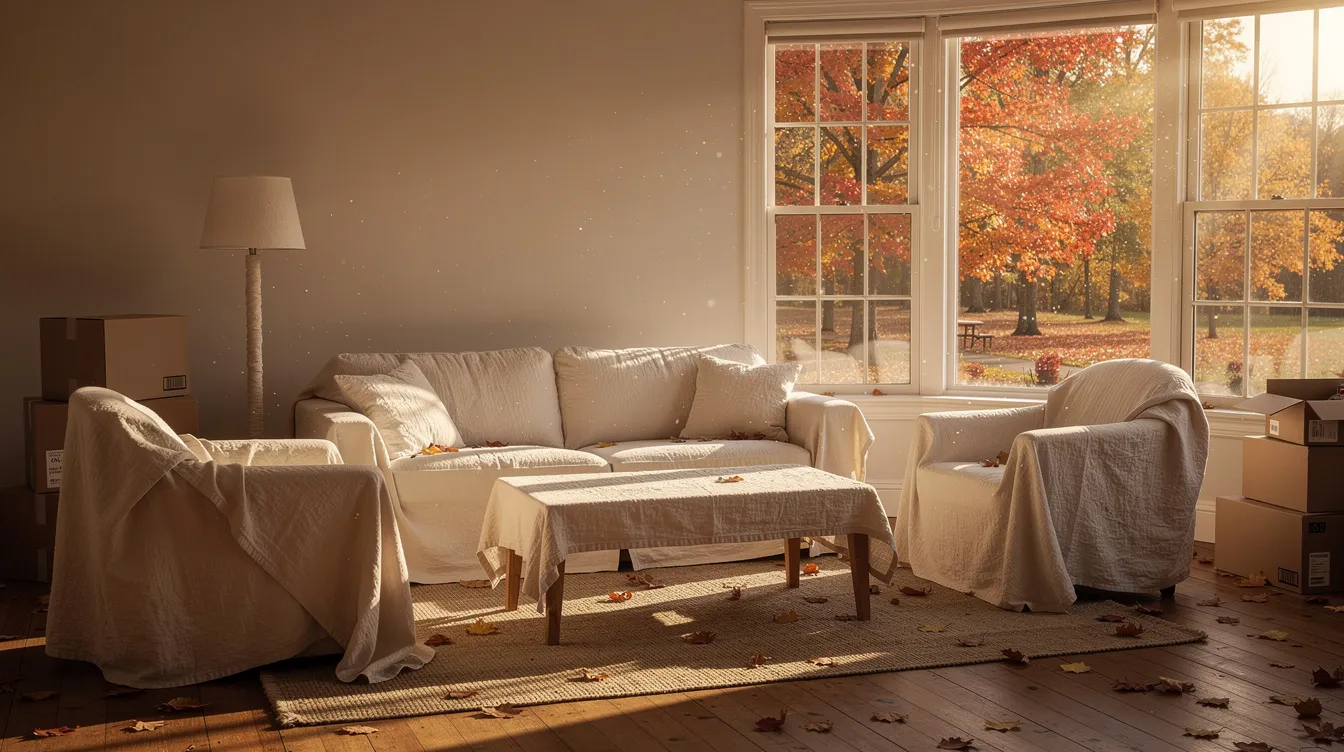
- Cover upholstered furniture and mattresses with breathable fabric covers or move them away from windows. Avoid plastic, which traps moisture.
- Leave interior doors and closet doors slightly open to encourage airflow and reduce musty smells.
- Pack away sentimental or high-value personal items – family photos, heirlooms, expensive gear – into a locked owner’s closet or storage bin. Secure personal belongings in a locked closet before rentals. Install commercial locks on closets for personal items.
- Lock up personal belongings in a private closet, and remove valuables from your rental property before guests arrive. Treat anything left accessible as part of the rental that may see wear and tear.
- Take a quick photo inventory of each room so you can verify items and track wear from one season to the next.
Inspect and Winterize the Exterior and Grounds
Many costly spring surprises – roof leaks, rotted decks, flooded basements – start with small issues left unattended on the exterior in fall.
- Check the roof for missing shingles and flashing issues. Clear gutters and downspouts of leaves and debris to prevent ice dams. Confirm water drains away from the foundation.
- Seal any visible cracks, gaps, or entry points around doors and windows with caulk or foam. Inspect and seal exterior surfaces to prevent water damage and pest entry.
- Drain and store garden hoses. Shut off and blow out irrigation systems. Winterize outdoor spigots and showers at lake or beach properties.
- Store outdoor patio furniture and equipment to protect against weather damage. Move grills, kayaks, and firewood indoors or to a sheltered area. Secure boats and ATVs in a locked garage or shed. Keep lawn equipment locked away to prevent unauthorized use.
- Arrange snow removal or access maintenance – plowing private roads or driveways at regular intervals – so emergency vehicles or service providers can reach the cabin if needed.
Plan for Ongoing Checks, Neighbors, and Service Providers
Even well-prepared vacation homes benefit from a human set of eyes during long off season stretches, especially in rural cabin locations.
- Notify a trusted neighbor to periodically check the property – ideally once a month – and look at heat, water intrusion, signs of break-ins, or pest activity.
- Create a simple off season log sheet on the kitchen counter or in a shared digital doc where each visit is recorded with date, time, issues found, and actions taken.
- Share contact info and clear instructions with whoever might enter: which lights to leave on, how to arm and disarm alarms, where the main water shutoff and breaker panel are located.
- Update your insurance agent with any changes in how often the same property is occupied, especially if you begin renting it more as a short term rental. Owning a vacation home can complicate your taxes significantly, so talk with a financial advisor about income and deduction implications.
- Schedule key maintenance tasks for late winter or early spring – chimney sweeping, deck inspections, HVAC tune-ups – before the rush of peak season bookings.
Special Considerations for Off-Season Vacation Rentals and Short Term Stays
Some owners rely on off season bookings – fall foliage weekends, winter ski trips, shoulder seasons getaways with friends – to help cover payments. Renting your vacation home can cover 80-90% of its costs, and renting out your home can subsidize mortgage payments. Many vacation rentals earn income during peak summer weeks, but vacation rentals can also generate significant income during high demand seasons like ski season. Off-seasons may result in lower rental income, but every booking helps.
- Partial winterization: Keep water on but protected. Maintain higher minimum temperatures (55–60°F). Use smart monitoring – thermostat, leak sensors, cameras at entries only.
- Winter house manual: Provide clear instructions on operating the fireplace or wood stoves, using space heaters safely, parking during snow, and handling trash when pickup schedules change. Stock winter-specific supplies for guest use: ice melt, snow shovels, flashlights, extra blankets, and local emergency numbers.
- Tighten house rules: Limit maximum occupancy during harsh weather. Clarify use of decks and fire pits in snow. Prohibit tampering with thermostats below a safe range. Complete necessary maintenance before renting out your cabin.
- Use slower off season periods between bookings for deeper maintenance, small upgrades, and safety audits that are harder to schedule during peak season. A property management company or management company can handle this if you can’t visit frequently. Renting can cover 80-90% of your cabin costs when managed well.
Between bookings is often the best time to invest in upgrades. Vendor availability is better and pricing is often lower in the slower season.
Checklist to Use Every Year Before You Leave
Print this, laminate it, and tape it inside a closet door at your property.
One Month Before:
- Book service appointments (plumber, HVAC, chimney sweep, gutter cleaning)
- Confirm insurance coverage and update your insurance agent
- Order supplies: RV antifreeze, furnace filters, weatherstripping, batteries
- Plan any fun end-of-season trips with family or friends before closing up
One Week Before:
- Deep clean all rooms, strip and wash all bed linens
- Inspect exterior: roof, gutters, foundation drainage
- Use up or remove fridge and freezer food
- Stage owner storage areas for personal items
Day Before Departure:
- Drain or protect plumbing (full or partial winterization)
- Set thermostat to 50–55°F; set lights on timers
- Unplug appliances; empty all trash
- Store or secure patio furniture, grills, kayaks; lock the garage
- Prepare the property so it’s ready for the next night a guest might check in
Final Walk-Through:
- Check every door and window is locked
- Arm the alarm system
- Snap a quick set of reference photos of each room
- Save money on future headaches by spending 10 minutes now to verify everything is done
- Lock the last door on the way out
FAQ
How early should I start getting my vacation home ready for the off season?
Start planning 3 to 4 weeks before your final visit. Book service providers early – plumbers and HVAC technicians in cabin country fill up fast during fall. Aim to complete most cleaning and organizing at least a week before departure so your final day is just the walk-through, not a marathon.
Do I still need to winterize if I live only an hour away from my cabin?
Distance matters less than weather. Sudden freezes can happen overnight, and you can’t always guarantee you’ll make the trip every time a storm is forecast. Basic winterization – shutting off exterior water, setting thermostat to a safe range, installing leak sensors – is smart even for nearby owners. The advice holds whether you’re a hotel-style host or a weekend visitor.
What temperature should I leave my thermostat on in winter if the property will be vacant?
A general range of 50–55°F works for a fully winterized vacant home in cold climates. If some plumbing remains active or you expect to book occasional guests, set it to 55–60°F. Always follow manufacturer and local professional guidance for your specific systems.
How should I handle personal items if I also rent my place as a short term rental?
Keep sentimental or valuable items out of shared spaces. Lock them in a dedicated owner’s closet with a commercial-grade lock. Treat anything left accessible as part of the rental that may see wear and tear. This protects your belongings and avoids stress for both you and your guests.
Is it worth keeping internet service active during the off season?
Yes, if you rely on remote monitoring. Many modern security systems, smart thermostats, and leak sensors require an active internet connection. Owners who plan to host occasional off season guests or who want real-time alerts should keep service active even when the property is otherwise vacant.