
A pipe bursts at 3 a.m. in January. By morning, your finished basement is soaked, drywall is buckling, and you’re wondering whether your insurance will cover any of this. The answer depends on details that most homeowners don’t think about until disaster strikes.
Water damage claims are among the most common—and most contested—in the insurance industry. The average non-weather water damage claim runs nearly $11,000, making it essential to understand exactly what your homeowners insurance policy covers before you’re standing in a puddle.
This guide breaks down the specifics: what types of water damage are typically covered, what falls outside your standard homeowners policy, and how to protect yourself from unpleasant surprises when you need to file a claim.
Key Takeaways
Standard home insurance usually covers sudden and accidental water damage—like burst pipes or a washing machine hose that ruptures mid-cycle—but it excludes floods, groundwater seepage, and damage from long-term leaks or poor maintenance.
- Covered events include burst pipes, sudden appliance failures (dishwashers, water heaters, refrigerator lines), accidental overflows from a leaky toilet or bathtub, and water entering through a wind-damaged roof during a storm.
- Not covered are flooding from outside sources, sewer backup (unless you purchase a specific endorsement), groundwater seeping through foundation walls, and damage resulting from neglected maintenance like a drip under your sink that’s been going for months.
- Example of covered damage: A pipe bursts overnight in January 2025 despite your thermostat being set to 68°F, flooding your basement and warping hardwood floors—this is typically covered.
- Example of excluded damage: A slow leak under your bathroom sink that you ignored for several months causes the cabinet to rot and mold to develop—insurers will likely deny this claim as a maintenance issue.
- Homeowners can add extra coverages like sewer backup endorsements or purchase flood insurance through the National Flood Insurance Program. Review your specific policy wording and talk to your insurance agent to understand your exact coverage.
How Home Insurance Typically Handles Water Damage
Most standard HO-3 homeowners policies in the U.S. cover water damage that is both “sudden and accidental” and originates from inside the home. Water entering from outside—whether from heavy rain, rising floodwaters, or groundwater—is generally excluded.
What qualifies as “sudden and accidental” vs. “gradual and preventable”:
- Sudden and accidental: A supply line to your washing machine ruptures on 10 March 2024, flooding your laundry room floor within minutes
- Gradual and preventable: A small drip under your kitchen sink has been leaking for months, slowly rotting the cabinet base and promoting mold growth
Coverage typically applies to the damage the water causes to your home’s structure and your belongings—not to fixing the worn-out pipe, aging appliance, or neglected fixture that caused the problem in the first place.
Every insurer’s policy language differs slightly. Your declarations page and the “Perils Insured Against” section spell out exactly what’s covered. Some policies are comprehensive (covering all perils except those specifically excluded), while others are named peril policies that only cover damage from causes explicitly listed.
Keep in mind that deductibles and policy limits—including any sublimits for water claims or mold remediation—will affect how much the insurance company actually pays out. A $1,000 deductible on an $8,000 claim still leaves you responsible for a significant portion of the cost.
What Types of Water Damage Are Usually Covered?
Home insurance generally covers water damage when it results from a covered peril and is both sudden and accidental. The key is that the damage must happen quickly, without warning, and not be the result of something you should have fixed or maintained.
Common covered scenarios include:
| Scenario | Example | Typically Covered? |
|---|---|---|
| Burst supply line | Washing machine hose ruptures in 2026 | Yes |
| Toilet overflow | Unexpected backup floods bathroom | Yes |
| Water heater failure | Tank splits and floods finished basement | Yes |
| Storm damage | Rain enters through wind-damaged roof | Yes |
| Accidental overflow | Bathtub left running accidentally | Usually yes |
Many policies will also help with damage from mold if the mold stems directly from a covered water event and is discovered and reported promptly. However, mold coverage often has sublimits—sometimes as low as $5,000—so review your policy carefully.
Coverage applies separately to your building (walls, floors, built-ins) and personal property (furniture, electronics, clothing). For example, if a burst pipe damages your hardwood floors and ruins a leather sofa, the structural repairs fall under dwelling coverage while the sofa falls under personal property coverage.
Burst Pipes and Sudden Plumbing Failures
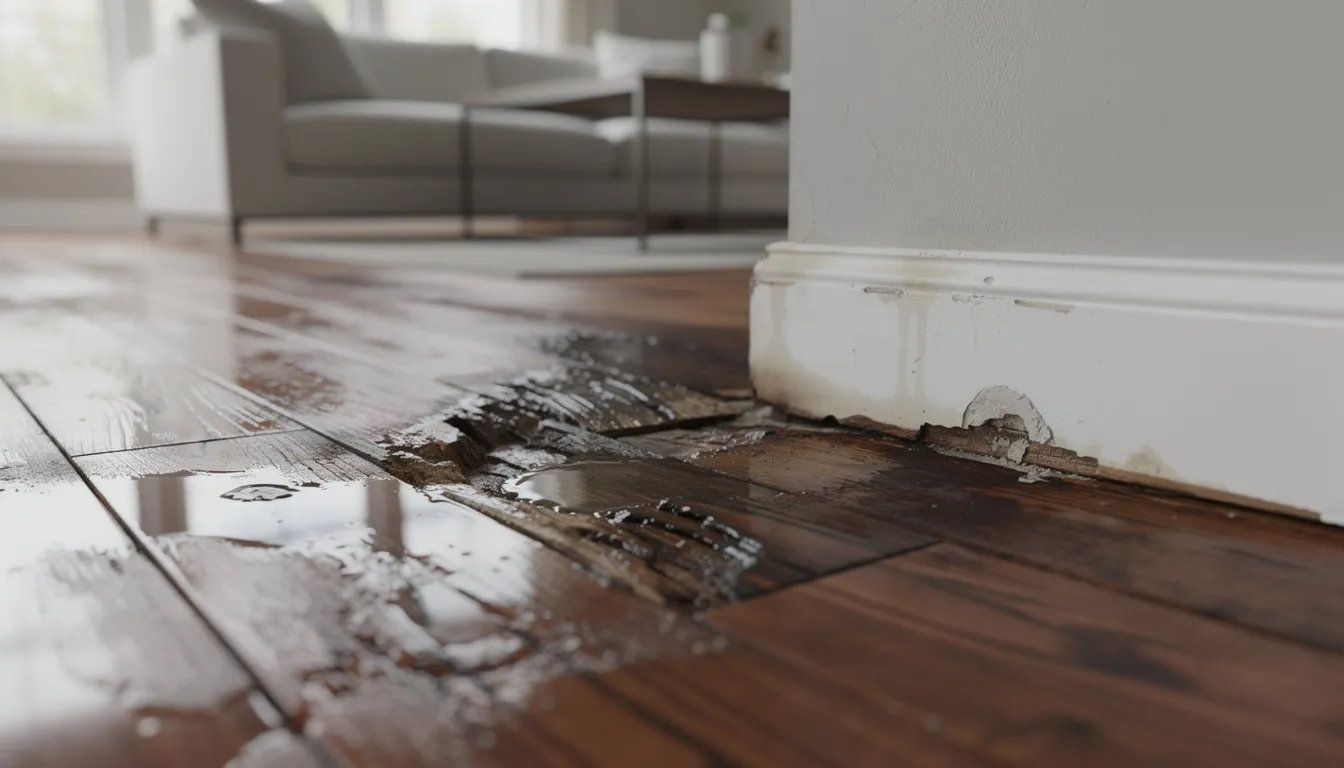
Water damage from a pipe that suddenly bursts is one of the most commonly covered claims. Frozen pipes that crack during cold snaps are a classic example—provided you’ve taken reasonable care to prevent freezing.
Insurers typically require that homeowners maintain adequate heat in the home during winter. If your thermostat was set to 68°F during a January 2024 cold snap and a pipe still burst, that’s generally covered. If you winterized an unoccupied vacation property properly before the season, that’s also usually covered.
However, if you left your home unheated for several weeks during sub-freezing weather without proper precautions—like draining the water lines or having someone check on the property—the insurer may deny the claim.
Example scenario: A pipe in an exterior wall bursts overnight despite reasonable precautions. By morning, water has damaged drywall, flooring, and some furniture. The insurance company will typically cover:
- Repair or replacement of damaged drywall and flooring
- Cleaning or replacement of damaged personal property
- Tearing out portions of walls to access the damaged pipe
What’s usually not covered is upgrading the plumbing to newer materials or replacing pipes that haven’t failed but are similarly aged.
Sudden Appliance and Fixture Leaks
Sudden failures of appliances or plumbing fixtures often trigger covered water damage claims. These are the unexpected events that happen without warning and cause immediate damage.
Specific examples of typically covered events:
- A dishwasher supply hose rupturing mid-cycle in June 2025
- A refrigerator icemaker line snapping and flooding the kitchen floor
- A water heater tank splitting and dumping 50 gallons onto a finished basement floor
- A leaky toilet supply line that suddenly gives way
In these cases, insurance usually pays to repair the resulting water damage to cabinets, floors, and nearby drywall. However, it will not pay to replace the aging appliance itself—that’s considered a maintenance expense.
The exception is when the leak was clearly long-term. If an adjuster finds rust buildup, corrosion, or mold that developed over months, the insurer may classify it as a maintenance issue and deny coverage. The distinction matters: a washing machine hose that suddenly fails is very different from one that’s been slowly dripping for a year.
Report any sudden leak immediately to your insurance company. Prompt reporting protects your coverage and demonstrates that the damage was truly sudden.
Roof Leaks and Weather-Related Intrusions
Water damage from roof leaks can be covered if the original cause of the roof damage is a covered peril like wind, hail, or falling objects.
Covered scenario: A windstorm on 15 April 2024 tears shingles off your roof. Rain enters that night and damages ceilings, walls, and carpet in an upstairs bedroom. On a broad-form policy, this is typically covered because the wind (a covered peril) created the opening that allowed water entry.
Not covered: Roof leaks caused by long-term wear, age, or neglected maintenance. If your shingles are 25 years old and well beyond their expected lifespan, the insurer may argue that the leak resulted from failure to maintain the roof rather than sudden damage.
Interior water damage from ice dams presents a mixed situation. Coverage depends on policy language and whether you can demonstrate proper maintenance of attic insulation and ventilation. Some policies cover ice dam damage; others treat it as a preventable maintenance issue.
Keep documentation of roof inspections and repairs. A record showing annual inspections and prompt repairs can support your claim if a dispute arises about whether damage was sudden or the result of neglect.
What Types of Water Damage Are Not Covered?
Several common types of water damage are excluded from standard homeowners policies unless you purchase additional coverage. Understanding these exclusions can prevent costly surprises.
Four main excluded categories:
- Outside flooding – Water rising from the ground and entering the home
- Groundwater seepage – Water slowly penetrating foundation walls or floors
- Sewer or drain backup – Wastewater backing up through drains (without endorsement)
- Maintenance neglect – Damage from long-standing leaks, corrosion, or ignored repairs
The rationale is that insurers expect homeowners to maintain their property and that certain risks—like flooding—require specialized coverage pools.
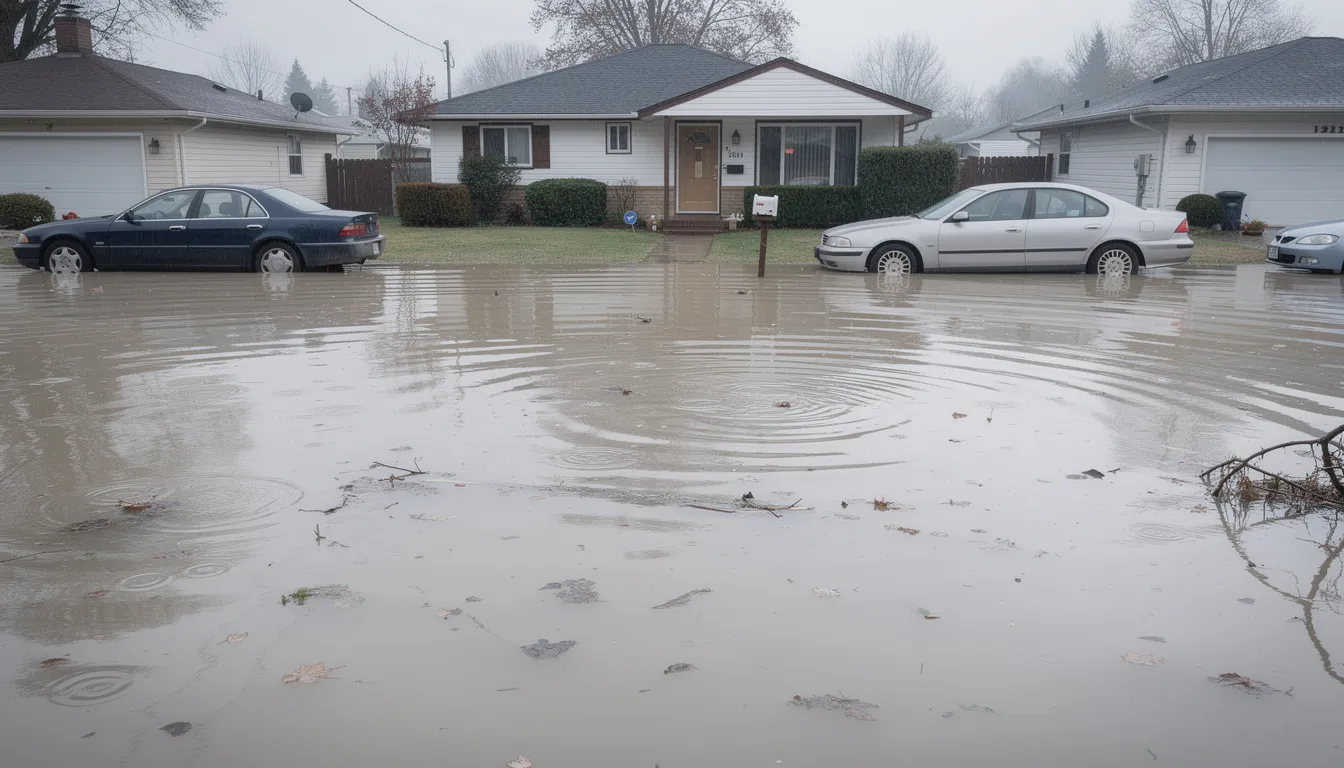
“Water from outside coming in at ground level” is usually considered flood or seepage and is excluded regardless of whether it’s from heavy rain, river overflow, or melting snow. This catches many homeowners off guard after severe storms.
Evidence of long-standing problems—visible corrosion, old water stains, extensive mold growth—signals to adjusters that the issue developed over weeks or months. These claims are typically denied.
Your policy’s “Exclusions” section lists exactly what isn’t covered. Review it carefully with your insurer or agent so you’re not caught off guard.
Flooding and Water Entering from Outside
In insurance terms, “flood” means water covering normally dry land and entering the home from outside, regardless of the cause. This is a critical distinction that confuses many homeowners.
Flood scenarios that are NOT covered by standard home insurance:
- River or creek overflow in spring 2026
- Storm surge from a coastal hurricane
- Surface water pooling in your yard and entering through doors or foundation cracks
- Street flooding that seeps into your basement after heavy rain
Standard home insurance does not cover any of these situations—even if you’ve never flooded before and the event seems completely unexpected.
Example: A summer thunderstorm drops several inches of rain in an hour. Storm drains can’t handle the volume, and water from the street seeps into your basement. You file a claim, expecting coverage for the damaged flooring and furniture. The insurer denies it because the water entered from outside at ground level—that’s flood damage, not covered water damage.
To protect against flooding, you need to purchase flood insurance, typically through the National Flood Insurance Program (NFIP) or a private insurer. Be aware that most flood policies have a 30-day waiting period after purchase before coverage takes effect. You can’t buy it when a storm is already approaching.
Groundwater Seepage and Foundation Leaks
Groundwater slowly seeping through foundation walls or floors is typically excluded from coverage. Insurers view this as a maintenance, construction, or site grading issue rather than sudden damage.
Examples of excluded seepage:
- Water gradually appearing on a basement floor in an older home after weeks of heavy rain
- Damp spots on foundation walls that appear every spring
- Moisture migrating through concrete slab floors during wet seasons
These problems require waterproofing, drainage improvements, sump pumps, and proper grading—not insurance claims. Homeowners must invest in prevention rather than relying on their policy.
While natural seepage is excluded, some insurers offer limited endorsements for sump pump failure or overflow. This is different from seepage itself—it covers situations where your sump pump fails during a storm and water that would have been pumped out instead floods your basement.
Buyers of homes built before around 1980 should pay particular attention to potential seepage issues. Older foundations may lack modern waterproofing membranes and drainage systems.
Sewage and Drain Backup Without Endorsements
Water or sewage backing up through sewers, drains, or sump pumps is typically excluded from basic policies unless you purchase a special water backup endorsement.
Examples of excluded backup events:
- A city sewer line clog on 2 August 2025 forces wastewater into your basement bathroom
- Your sump pump fails during a storm and lets water flood your finished lower level
- Tree roots infiltrate a sewer lateral, causing sewage to back up through floor drains
A water backup endorsement adds specific dollar limits of coverage—commonly $5,000 to $25,000—for cleanup and repairs from these events. Given the particularly unpleasant and costly nature of sewage cleanup, many homeowners in older neighborhoods opt for this add-on.
The cost is usually modest—often $50 to $100 per year—making it worthwhile protection against a genuinely miserable scenario.
Even with an endorsement, you’re still responsible for maintaining backflow valves, sump pumps, and the lateral sewer line connecting your home to the main. Neglecting these can still result in denied claims.
Damage from Poor Maintenance or Long-Term Leaks
Insurers expect homeowners to maintain their property. Damage resulting from neglect or long-term issues is almost universally excluded.
Examples of maintenance-related denials:
- A slow drip under a bathroom sink that rotted the cabinet over many months
- A constantly leaking plumbing connection to a toilet supply line
- A known roof leak ignored for a year, leading to ceiling damage and mold
- Clogged gutters that cause water to back up and damage soffits
Visible signs like heavy corrosion, old water stains, or extensive mold growth indicate long-standing problems to adjusters. These findings typically lead to denial.
How to protect yourself:
| Maintenance Task | Frequency | Why It Matters |
|---|---|---|
| Inspect under sinks | Monthly | Catch drips early |
| Check appliance hoses | Quarterly | Identify wear before failure |
| Clean gutters | Spring and fall | Prevent backup and ice dams |
| Roof inspection | Annually | Document condition, catch issues |
| Test sump pump | Before rainy season | Ensure it works when needed |
Regular inspections can both prevent damage and support claims that any issues were truly sudden rather than the result of long-standing neglect.
Does Home Insurance Cover the Source of the Leak?
Most home policies cover the resulting water damage but not the repair or replacement of the item that failed—what insurers call the “source of loss.”
What this means in practice:
| What Failed | What Insurance Typically Covers | What You Pay For |
|---|---|---|
| 12-year-old water heater | Damaged flooring, drywall, belongings | New water heater |
| Washing machine hose | Water damage to laundry room | New hose |
| Supply line under sink | Cabinet repairs, floor damage | New supply line |
| Dishwasher | Damaged cabinets and flooring | Dishwasher repair/replacement |
Insurance may pay to replace warped hardwood floors and repair damaged drywall, but it won’t pay to replace the water heater that rusted through in 2024.
Tearing out portions of walls or floors to access and repair damaged plumbing may be covered when it’s necessary to fix covered damage. However, upgrading old plumbing or appliances throughout your home is considered a homeowner expense.
Proactively replacing aging water heaters, washing machine hoses, and supply lines can help you avoid future claims—and the hassle and cost that come with water damage.
Water Damage vs. Flood Damage: Why It Matters
“Water damage” and “flood damage” are treated completely differently in insurance, even though they may look similar once your basement is underwater.
The critical distinction:
| Water Damage (Usually Covered) | Flood Damage (Not Covered by Standard Policy) |
|---|---|
| Pipe bursting on second floor | Heavy rain overwhelming storm drains in 2025 |
| Bathtub overflow on Sunday afternoon | Nearby creek overflowing after three days of rain |
| Water heater rupture | Storm surge from hurricane |
| Roof leak from wind damage | Surface water pooling and entering through doors |
Regular home insurance typically responds to internal, sudden incidents. Flood insurance—available through the National Flood Insurance Program or private insurers—is needed for most ground-level or rising water from outside.
Some insurers reference the official FEMA definition of “flood” in their exclusions. If you’re in a flood zone, verify your risk maps and any mortgage requirements for flood insurance. Even if you’re outside a high-risk zone, consider whether flood coverage makes sense—about 25% of flood claims come from low-to-moderate risk areas.
Preventing Water Damage Before It Happens
Preventing water damage is far cheaper and less stressful than making a claim, even when coverage exists. A $50 braided steel hose can save you from a $10,000 claim—and the weeks of disruption that come with repairs.
Practical prevention steps:
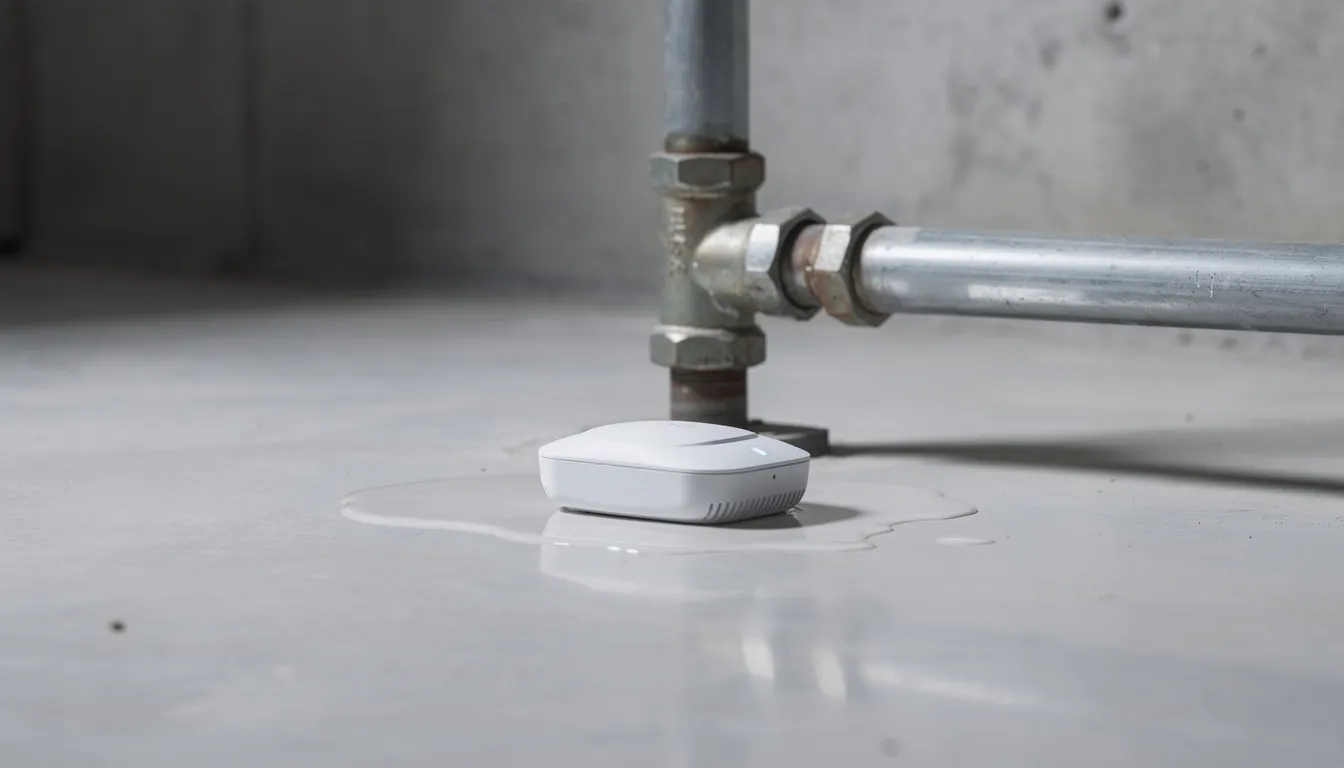
- Install leak detectors under sinks, near water heaters, and behind washing machines
- Replace rubber washer hoses with braided stainless steel every 5 years
- Insulate pipes in unheated spaces (garages, crawlspaces, exterior walls) before winter 2025
- Know where your main water shutoff valve is located and test it annually
Regular maintenance schedule:
| Task | When | What to Check |
|---|---|---|
| Roof inspection | Annually | Missing shingles, flashing, ventilation |
| Gutter cleaning | Spring and fall | Debris, proper drainage, downspout direction |
| Caulking inspection | Annually | Tubs, showers, windows, exterior penetrations |
| Sump pump test | Before heavy rain season | Float switch, discharge line, backup power |
| Water heater inspection | Annually | Rust, leaks, anode rod condition |
Smart home options can add another layer of protection:
- Automatic water shutoff valves that trigger when sensors detect leaks
- Monitored sensors that send smartphone alerts if water is detected
- Smart thermostats that alert you if interior temperatures drop to freezing levels
If you’re traveling for extended periods, shut off the main water supply or arrange for someone to check the home regularly—especially during freezing weather. Many policies include provisions requiring reasonable care of vacant properties.
How to File a Home Insurance Claim for Water Damage
Quick, organized action makes a significant difference in how smoothly a water damage claim goes and how much you ultimately recover.
Immediate steps:
- Stop the source – Shut off the main water valve or the specific appliance if safe to do so
- Protect people and pets – Turn off electricity to affected areas if water is near outlets
- Move undamaged items – Get furniture and belongings out of the water’s path
Document everything before cleanup:
- Take date-stamped photos and videos of the water source
- Photograph all affected rooms from multiple angles
- Document damaged belongings in detail (make, model, approximate age)
- Keep damaged items until the adjuster has seen them or approved disposal
Contact your insurer or agent as soon as reasonably possible with:
- Date and time you discovered the damage
- What caused the loss (if known)
- Initial list of damaged property and affected areas
Keep all receipts for:
- Emergency repairs (plumber to stop the leak)
- Water extraction and drying equipment
- Temporary lodging if the home is uninhabitable
- Additional living expenses (meals, laundry, etc.)
Many policies include Additional Living Expense (ALE) coverage that pays for reasonable costs while your home is being repaired. This can cover hotel stays, restaurant meals, and other expenses above your normal costs.
An adjuster will typically visit or review your documentation to confirm the cause, estimate repair costs, and determine how your policy applies. Be prepared for questions about maintenance history and when you first noticed the problem. Any special limits for water damage or mold will be applied at this stage.
FAQ: Home Insurance and Water Damage
Does home insurance cover mold after water damage?
Many policies offer limited coverage for mold when it results directly from a covered water loss and you act quickly to dry and remediate the affected area. Most policies have sublimits for mold—often $5,000 to $10,000—regardless of the total damage amount. Long-term or pre-existing mold from slow leaks or poor ventilation is usually excluded entirely. The key is prompt action: report the water damage immediately and begin drying within 24-48 hours.
Am I covered if my home is vacant when water damage occurs?
Most policies include vacancy or unoccupancy clauses that limit coverage after 30-60 days of vacancy. If a pipe burst in a home that’s been empty for two months during winter without heat maintained, the insurer may deny the claim. If you’re leaving your home vacant for an extended period, consult your agent about vacancy permits or endorsements, and take precautions like shutting off water and maintaining minimum heat.
Will my premium go up after a water damage claim?
Filing one or more water claims within a few years can increase premiums at renewal or affect your ability to get coverage from other insurers. The exact impact depends on the insurer, claim size, and your prior loss record. A single claim for a genuinely sudden event may have minimal impact, while multiple water claims may trigger non-renewal or significant premium increases. Consider whether small claims are worth filing given your deductible and potential premium impact.
Does renters insurance cover water damage to my belongings?
Renters policies typically cover a tenant’s personal property from sudden and accidental water damage inside the rental unit. If a pipe bursts in your apartment and ruins your furniture and electronics, your renters insurance should help. However, renters insurance does not cover the building itself (that’s the landlord’s responsibility) or flood damage from outside sources.
How can I tell if my policy includes sewer or drain backup coverage?
Look at your declarations page and any endorsements attached to your policy. Search for terms like “Water Backup and Sump Discharge or Overflow” with a specific dollar limit (commonly $5,000-$25,000). If you don’t see this endorsement listed, you likely don’t have coverage for sewer backup. Ask your agent directly to confirm—this coverage is almost always optional and must be specifically added to your policy.