Key Takeaways
- Most auto repair shops believe they’re fully protected, but standard general liability and property insurance policies contain exclusions that can lead to six-figure losses in 2026.
- Five critical gaps affect repair shops most often: environmental liability, business interruption limits, garagekeepers coverage, employee tools, and employment practices liability insurance.
- Standard policies almost never cover all these exposures without specific endorsements or specialized policies.
- Regular policy reviews, updated coverage limits based on current replacement costs for vehicles and equipment, and working with a specialist broker are the fastest ways to close these gaps.
- The sections below outline each gap with concrete examples and suggest specific coverages to discuss with your insurance advisor.
Why Insurance Gaps Are So Dangerous for Auto Repair Shops
Many small and mid-size repair shops haven’t comprehensively updated their insurance since before 2020. Meanwhile, average new car prices have climbed to $48,000, EVs push toward $60,000, and tool replacement costs have nearly doubled due to supply chain disruptions and inflation.
One uncovered claim can exceed a decade of premium savings. A 2025 hailstorm damaging 20 customer vehicles on your lot could total $1 million in losses. A lift accident causing bodily injury might trigger lawsuits exceeding your limits. These hidden insurance gaps typically come from exclusions, low coverage limits, or missing specialized policies—not a total lack of insurance.
Consider a shop fire that destroys customer vehicles, employee tools, and your diagnostic equipment simultaneously. Without proper endorsements, you could face three separate uncovered losses from a single covered event.
Environmental Liability: Spills, Storage, and Waste Disposal
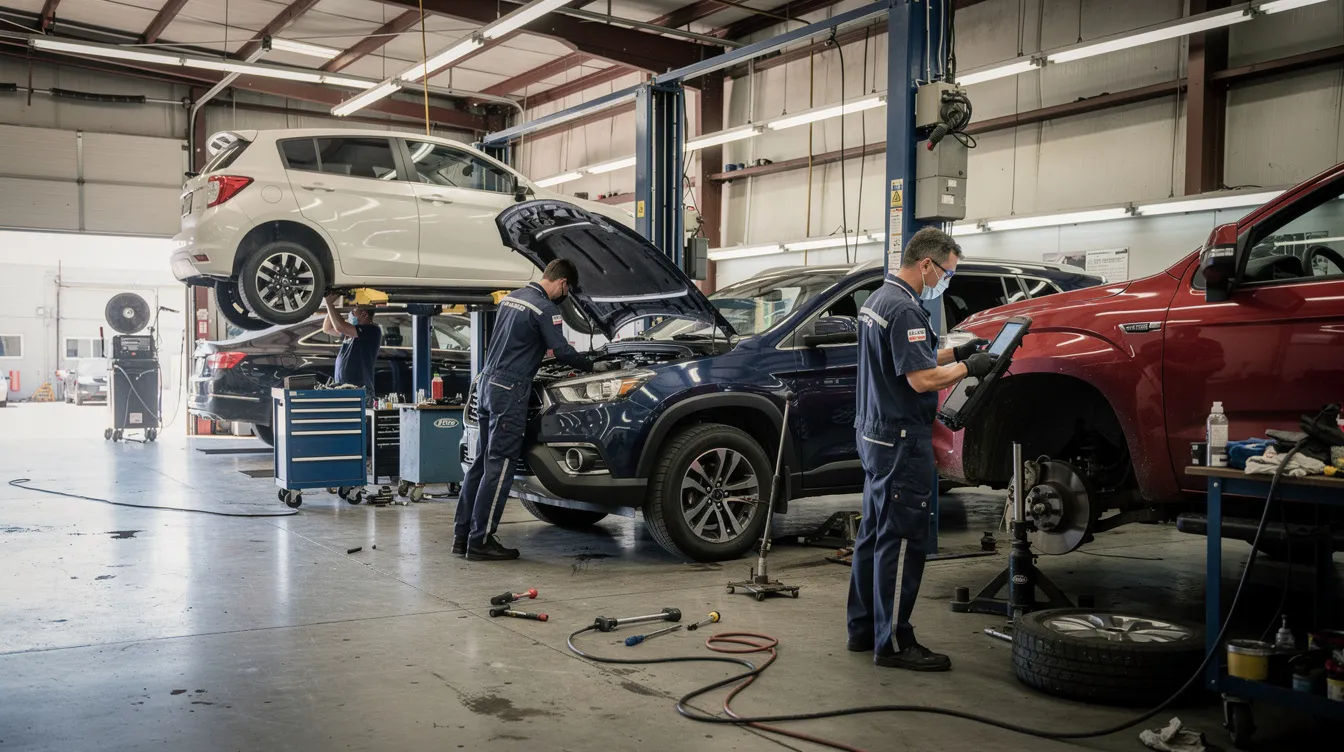
Auto repair shops routinely handle motor oil, transmission fluid, brake cleaner, antifreeze, solvents, and old batteries. Many store these in aboveground tanks up to 550 gallons. Here’s the problem: general liability and commercial property insurance almost always exclude pollution—both sudden events like a hydraulic lift rupture and gradual contamination like runoff into storm drains.
A 2023 waste oil tank leak that contaminated soil required over $300,000 in excavation and EPA-mandated testing. Under RCRA regulations, shops face fines up to $50,000 per day and remain held responsible for hazardous waste even if haulers mishandle disposal.
What to ask for:
- Standalone pollution liability coverage
- Contractor’s pollution liability for delivery spills
- Endorsements covering on-site storage and waste hauler issues
Insurers increasingly scrutinize waste manifests and spill response plans in 2026, so document these thoroughly.
Downtime and Business Interruption: When the Bays Go Dark
Business interruption coverage reimburses lost income and extra expenses following a covered property loss like fire, water damage, or civil authority shutdowns. Many shops only carry basic property coverage with inadequate limits and unrealistic restoration periods.
A 2022 fire closed a 6-bay shop for eight months due to permit delays, costing approximately $400,000 in foregone revenue at $15,000 monthly gross. A 10-day power outage during peak season can erase $50,000 in cash flow.
Key details to review:
- Time-element deductibles and waiting periods (often 72 hours)
- Whether coverage extends to supply-chain disruptions or dependent properties
- Extra expense coverage for temporary locations or renting equipment
Calculate appropriate limits using actual monthly gross revenue, payroll, rent, utilities, and loan payments—not rough estimates.
Garagekeepers Liability Limits: Protecting Customers’ Vehicles
Garagekeepers insurance covers damage to customer vehicles in your care, custody, or control. This differs from garage liability insurance (which covers bodily injury and property damage from operations) and commercial auto (your owned fleet).
Many policies still carry limits like $250,000 per occurrence—far below reality when a customer’s car averages $48,000-$65,000. A 2025 overnight fire destroying 12 vehicles could mean $780,000 in losses against a $250,000 aggregate limit.
Critical distinction: “Legal liability” garagekeepers only pays if you’re legally at fault. Direct primary coverage responds regardless of fault—essential for weather events like hail, theft, or vandalism where negligence is unclear.
Inventory your typical vehicle counts at peak times (Monday mornings in tire season, for example) and average values to set realistic limits for high value vehicles.
Tools and Equipment: Especially Employee-Owned Tools
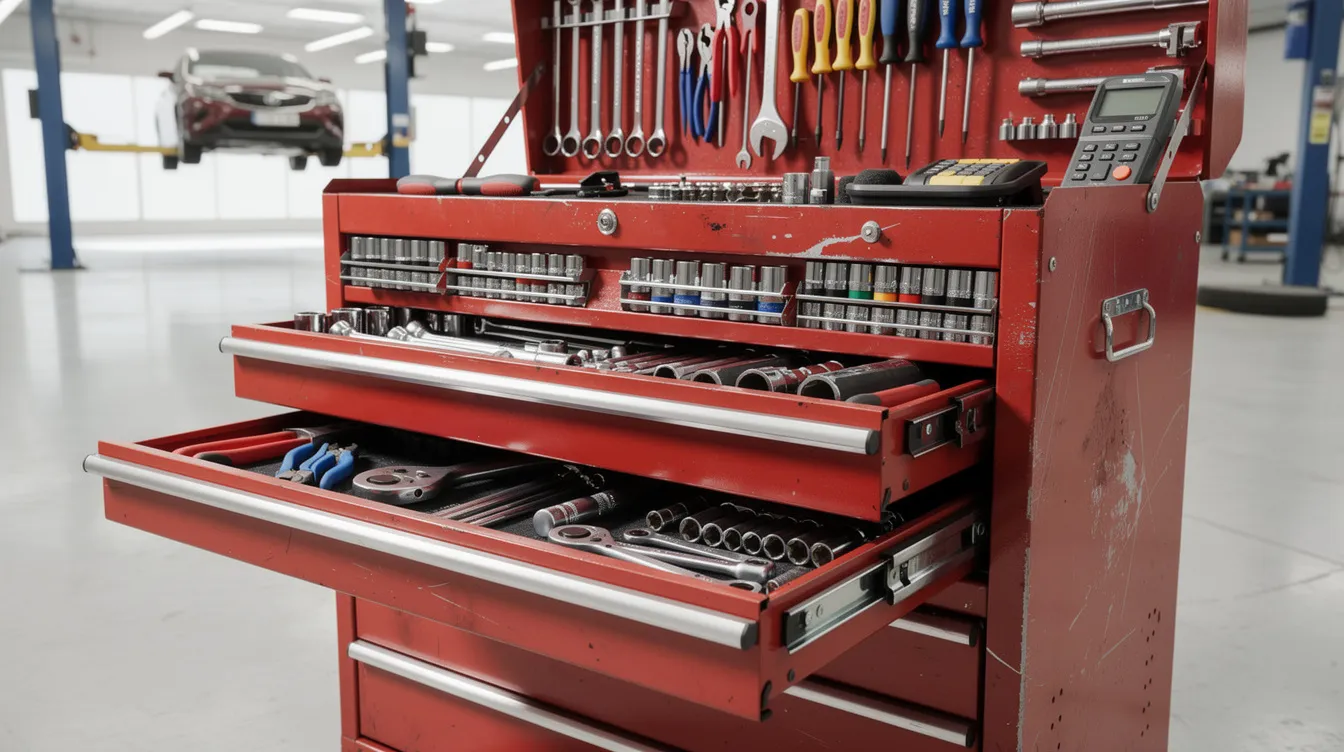
Technicians in 2026 bring $20,000-$60,000 of personal tools and equipment to the shop—scan tools, torque wrenches, ADAS calibration gear, and power tools. Standard commercial property insurance often covers only shop-owned items and may exclude or severely limit employee tools.
A 2023 break-in targeting toolboxes cost one shop $150,000 unreimbursed, leading to technician walkouts. A 2024 fire destroyed multiple techs’ personal sets, sparking disputes over who pays.
Coverage options to discuss:
- Scheduled equipment coverage for heavy equipment and lifts
- Blanket tools coverage
- Separate employee-owned tools endorsements
- Inland marine for mobile or off-premises tools
Inventory major equipment annually and align limits with current replacement costs—not purchase prices from years ago.
Employment Practices and Employee-Related Liability Gaps
Workers compensation covers employee injuries on the job. General liability covers bodily injury to customers. Neither covers wrongful termination, harassment, discrimination, or retaliation claims related to employees.
Real scenarios happen regularly: a 2024 harassment complaint from a service writer resulted in a $250,000 settlement. Overtime disputes for unpaid tech wages can cost $100,000+. Many shops in the 5-40 employee range skip employment practices liability insurance to save $2,000-$5,000 annually, leaving major losses uncovered.
EPLI typically covers:
- Legal defense costs (often 60% of total claim cost)
- Settlements for employment related claims
- Third-party claims (customer slips reporting harassment by employees)
Related coverages to consider: employee benefits liability and fidelity/crime coverage for employee dishonesty. Insurers look favorably on written handbooks, documented training, and consistent HR processes.
Cyber and Data Risks for Modern Auto Repair Shops
Even small garages in 2026 rely on cloud-based shop management systems, online scheduling, card payments, and digital systems storing customer data—names, addresses, VINs, payment information, and driver’s license images.
A ransomware attack locking your estimating system for a week could mean $50,000 in lost wages and revenue. A compromised payment terminal triggering notifications to 10,000 customers at $5/head for forensics and monitoring equals $100,000+ in costs.
Standard general liability and property policies exclude cyber liability exposure entirely.
Risk management basics that improve insurability:
- Multi-factor authentication on all systems
- Regular backups stored off-site
- Vendor due diligence for software providers
Affordable cyber liability policies for small businesses run $1,000-$3,000 annually for $1 million limits.
Other Overlooked Gaps: Hired/Non-Owned Auto, Test Drives, and Off-Premises Work
Some of the most frequent uncovered claims involve vehicles on the road or work done away from your primary shop address.
Hired and non-owned auto: When employees use personal vehicles for parts runs or customer pickups for business purposes, your business auto policy needs specific endorsements for adequate liability exposure protection.
Test drives: Service advisors road-testing after repairs or customers driving after alignment work create significant risks. Verify your garage operations coverage applies if an accident occurs.
Off-premises work: Mobile diagnostics or fleet work at customer locations requires confirming that general liability and garagekeepers extend beyond your main address. List all locations, storage lots, and regular off-site work areas on your policies to avoid geographic gaps.
How to Find and Fix Insurance Gaps in Your Auto Repair Shop Program
Schedule an annual insurance review 60-90 days before renewal using current financials and updated inventories. Most shop owners wait until claims expose problems—don’t be one of them.
Simple checklist:
- Gather current policies and declarations pages
- List all operations, locations, and services (towing, mobile work, ADAS calibration, EV repair)
- Estimate maximum values at risk (customer vehicles, tools and equipment, building)
- Review contracts and leases for insurance requirements
- Request coverage comparisons showing inclusions, exclusions, and limits
Work with an insurance advisor who understands garage and auto repair industry risks specifically—not generic small business programs. Document your risk management practices: shop safety programs, fire suppression systems, spill control procedures, and employee training records.
Your action item: Address at least one identified gap within the next 30 days. Don’t wait until a claim reveals what your policy doesn’t cover.
FAQ: Auto Repair Shop Insurance Gaps
How often should an auto repair shop review its insurance program?
A full review should occur at least annually, preferably 60-90 days before renewal. Schedule interim updates after major changes like adding service bays, purchasing new diagnostic equipment, expanding into EV service, or changes in natural disasters risk in your area.
What is the difference between Garage Liability and Garagekeepers coverage?
Garage liability insurance covers your shop’s liability for bodily injury and property damage arising from garage operations—like when a customer slips in your waiting area. Garagekeepers liability specifically covers damage to customers’ vehicles in your care, custody, or control.
Do small two-bay repair shops really need cyber liability insurance?
Yes. Even small body shops face data breach obligations if customer information or payment data is compromised. Affordable insurance programs exist tailored to small operations, typically $1,000-$3,000 annually for meaningful protection against unique risks.
Are technicians’ personal tools covered by the shop’s insurance automatically?
In most states and most cases, employee tools are not covered without a specific employee-owned tools endorsement or separate policy. Shop owners should verify this explicitly in writing with their broker and consider whether techs who own tools understand their liability exposure.
What information should I bring to my broker to check for insurance gaps?
Bring current policies, a list of services offered, an inventory of major tools and equipment with estimated current replacement costs, typical counts and values of customer vehicles on site at peak times, and any leases or contracts that impose insurance requirements on your business.