
Winter driving is unpredictable, and the car insurance policy you set up in July might not hold up when black ice, deer, and heavy snow enter the picture. Asking the right questions now – before the first storm – can mean the difference between a smooth claims process and a financial headache. Here are the insurance questions every driver should answer before temperatures drop.
Key Takeaways
- Before winter 2026–2027, review your car insurance coverage, deductibles, and winter-specific protections like comprehensive coverage and roadside assistance.
- Snow, ice, and reduced visibility increase the chances of a car accident, so confirm your auto insurance actually fits your driving habits and cold-weather risks.
- Ask your car insurance company about all the discounts you might qualify for in winter – telematics, low mileage, winter tires, safe driving – so you don’t overpay.
- Understanding the claims process and what happens after a winter crash or deer strike helps you make an informed decision before bad weather hits.
- Reviewing your insurance policy in October or November gives you time to adjust coverage options and avoid gaps before the first major storm.
Why Winter Changes What You Need From Car Insurance
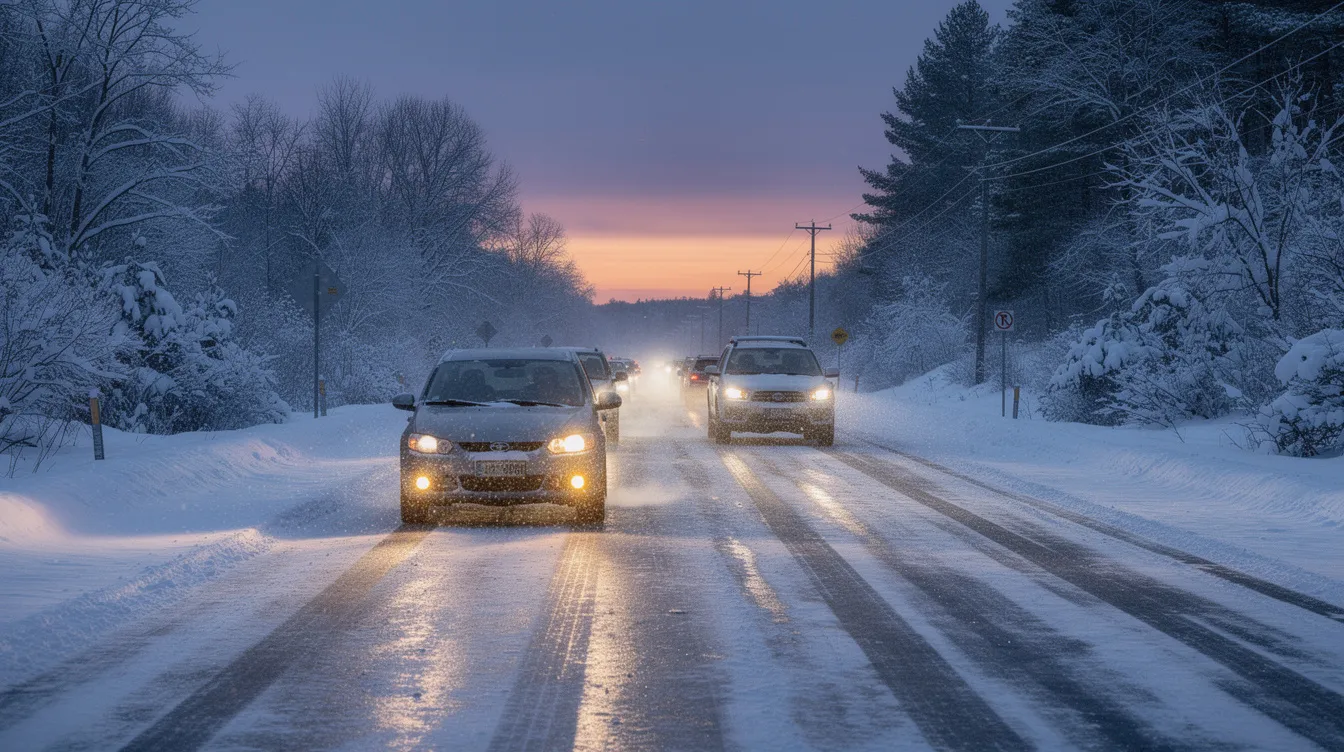
Winter driving conditions – snow, black ice, early sunsets – sharply increase accident frequency, animal collisions, and weather damage. That makes a policy review essential each fall, not just a nice-to-do.
The 2025–2026 winter season saw higher rates of weather-related claims in many northern states, and according to the Insurance Information Institute, about 4.16% of policyholders with collision coverage filed a claim in 2024. Winter driving increases the likelihood of sliding into another vehicle or object, and car insurance coverage chosen in summer may fall short when multi-vehicle pileups and severe injuries are on the table.
Typical winter claim scenarios include:
- Sliding into a guardrail or another car on black ice
- Hail damage or cracked windshields from flying debris
- Tree branches collapsing under heavy snow onto parked vehicles
- Hitting a deer at dusk on a dark highway
- Icy-road fender benders in parking lots
Bare-minimum state liability limits (often $25,000 per person) versus winter-ready coverage with higher limits, collision, and comprehensive can be the difference between full protection and being personally responsible for thousands in damages.
Question 1: Do I Have the Right Winter Coverage Options (Not Just State Minimums)?
Before December, ask your insurer to walk you through every major coverage option on your auto policy, focusing on how each responds to winter losses. Most states require liability insurance for car coverage, but state minimum liability limits may not cover a serious accident.
- Liability coverage: Icy roads cause multi-car crashes. Higher policy limits provide greater financial protection if you cause a serious car accident. Review and potentially raise liability, collision, and comprehensive coverage for winter risks.
- Collision coverage: Pays for damage to your own car if you slide into a guardrail or another vehicle. Before dropping collision on an older car, reconsider whether winter storms change that math.
- Comprehensive coverage: Protects against theft and non-accident damage – hailstorms, falling ice, tree limbs, vehicle theft while the car is warming up, and deer or moose strikes on dark winter evenings. Ask if you have all necessary coverages.
- Uninsured/underinsured motorist coverage: Roughly 1 in 8 U.S. drivers is uninsured. If an at-fault driver with poor coverage hits you on a snowy road, this protection steps in for medical expenses and sometimes repair costs. Inquire about uninsured and underinsured motorist protection.
- Medical payments or PIP: Can help cover ER visits, physical therapy, or lost wages after a winter crash regardless of fault, depending on state rules.
Example: A minimum coverage driver and a winter-ready driver are both in the same January pileup. The minimum coverage driver faces medical bills and repair costs that exceed their policy limits – and pays the difference out of pocket. The winter-ready driver, with higher coverage limits and comprehensive, walks away with their insurer handling the bulk of the cost.
Question 2: Are My Deductibles and Out-of-Pocket Costs Realistic for Winter Claims?
Snow and ice increase the odds you’ll actually use your insurance, so November is a smart time to check if you can truly afford your deductible. You pay your deductible before insurance covers remaining costs.
- Common deductible amounts in 2026 are $500, $1,000, or higher. Deductibles affect your out-of-pocket costs after a claim, and a $1,000 hit right before holiday expenses can sting.
- Winter example: You slide into a curb on ice and bend a wheel – $2,000 in damage. With a $1,000 deductible, you pay half. With $500, just a quarter. That difference can determine whether you even file a claim.
- Raising your deductible can lower your insurance premium, but increases what you pay after a January crash when your budget is already tight from holiday spending. Consider adjusting for a lower deductible for the winter months.
- Review your emergency savings: if you can’t comfortably cover your current deductible within a week, ask your car insurance company about adjusting it before the first big storm.
- Different deductibles may apply to collision vs. comprehensive coverage – winter hail damage could trigger a different out-of-pocket cost than an icy-road collision. Evaluate deductibles for collision and comprehensive coverage before winter.
Question 3: Does My Policy Include Winter-Friendly Extras Like Roadside Assistance and Rental Car Coverage?
Cold weather breakdowns, dead batteries, and snowy-ditch mishaps spike between December and March. Winter breakdowns can leave drivers without transportation, so confirm what your car insurance policy includes now.
- Towing and roadside assistance: Check if roadside assistance is available and what it includes – flat tires, dead batteries, lockouts, winching a car out of a snowbank. Ask whether service is 24/7 and available in remote rural areas.
- Rental reimbursement: Winter repair backlogs after a major storm can leave you without a vehicle for days. Confirm whether rental car reimbursement is included in the policy, including daily limits and total duration.
- Trip interruption coverage: For longer holiday road trips around Christmas or New Year’s, this can cover hotel and meals if a breakdown strands you far from home.
- Ask whether these extras are already bundled in your auto insurance coverage or must be added, and what the cost would be.
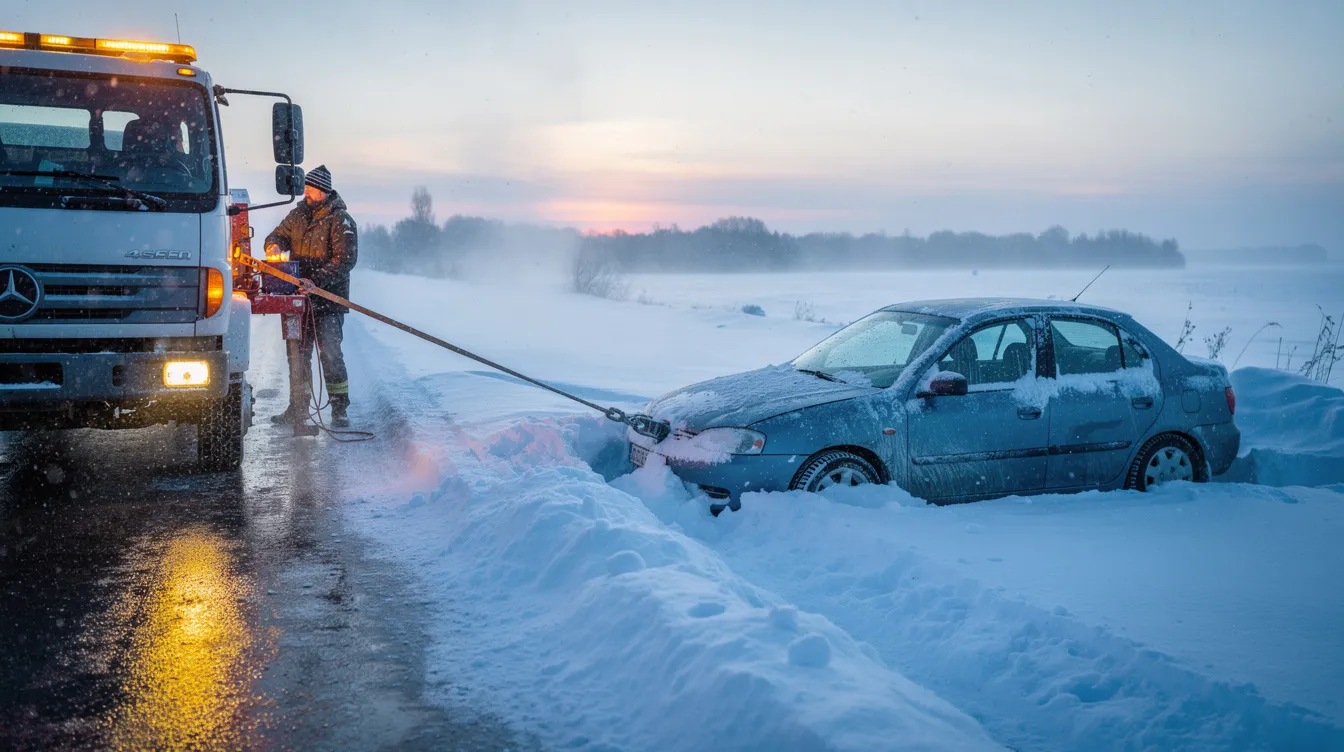
Scenario: Your car won’t start at 7 a.m. on a 10°F morning. Roadside assistance sends a jump-start truck within an hour. When the battery is dead for good, rental reimbursement puts you in a loaner while the shop orders a new vehicle battery – keeping your life on track.
Question 4: How Will My Driving Habits and Winter Mileage Affect My Premium and Discounts?
Many drivers cover fewer miles in winter 2026–2027, work from home on snow days, or avoid nighttime driving. These changing driving habits can influence car insurance rates – and unlock savings you’re missing.
- Ask your insurer to update your annual mileage if winter significantly reduces how much you drive. Discounts are available for low mileage drivers.
- Telematics programs (phone apps or plug-in devices) track braking, speed, and time of day. Safer winter driving could unlock a discount, but aggressive braking on icy roads might be recorded too.
- Your driving record going into winter – recent tickets or at-fault accidents – affects rates and eligibility for safe-driver discounts. Safe driving can save you up to 30% on premiums.
- Ask whether installing snow tires, traction-control features, or advanced driver-assistance systems qualifies you for additional discounts. Most U.S. insurers don’t automatically offer winter tire discounts, but some do – and discounts may be available for installing winter tires or safety features.
- Verify if you are receiving all eligible discounts. Multi-policy discounts are available for bundling insurance products (like homeowners and auto). Good student discounts can lower your car insurance costs. Paperless billing may qualify you for additional savings.
- Weigh the privacy trade-offs of telematics against the potential savings, especially if you anticipate cautious, low-mileage winter driving. That’s how you make an informed decision about available discounts.
Question 5: Am I Covered for Common Winter Losses Like Hail, Fallen Trees, and Animal Collisions?
Not every winter loss involves another car. Many claims come from storms, heavy snow, and wildlife – and these are handled differently within your car insurance policy.
- Hail and ice: Comprehensive coverage usually applies to hail damage, broken windshields from flying ice, and damage from tree limbs collapsing under heavy snow.
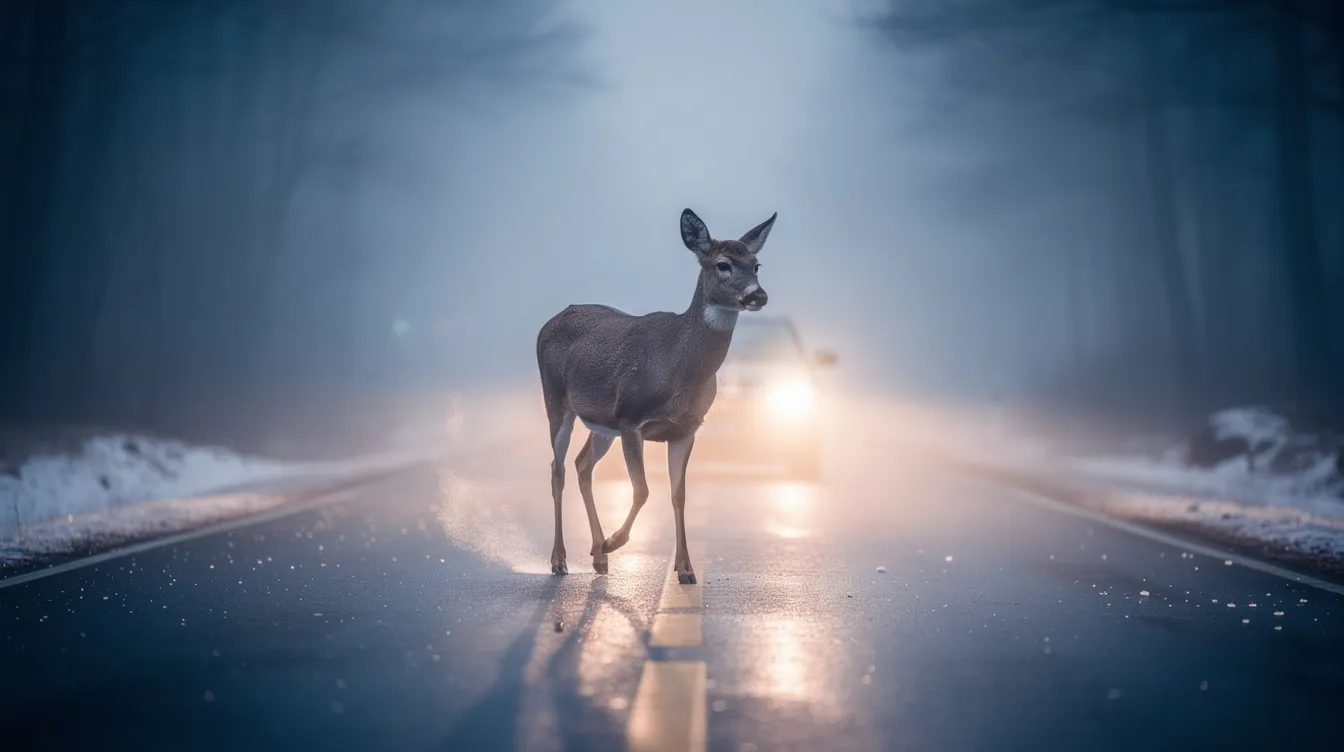
- Animal collisions: Deer, elk, and moose strikes are frequently covered under comprehensive. Winter’s shorter days increase the odds of hitting wildlife at dusk or dawn. Confirm coverage specifics for winter-related events, including towing and rental car reimbursement.
- Theft while warming up: Leaving a car running and unattended on a cold morning is a theft risk. Comprehensive coverage typically responds to a stolen vehicle.
- Parked-car damage: Another driver sliding into your vehicle in an apartment lot involves a combination of their liability coverage and your collision coverage.
- Check for exclusions in policies related to winter driving – some policies define “unattended vehicle” in ways that could complicate a theft claim.
Question 6: How Does the Winter Claims Process Work if I Have an Accident or Damage?
Knowing the claims process before the first snowstorm matters. Ask your agent how claims are filed and supported – don’t wait until you’re standing on the side of an icy highway to figure it out.
- Reporting: Claims can typically be filed online for convenience – via phone, app, or website. Ask whether claims support is available 24/7 and what response times look like during peak winter claim periods. The claims process duration varies by insurance company.
- Repairs: Ask whether your insurer prefers OEM or aftermarket parts, and if there are approved body shops experienced with winter corrosion and salt damage.
- Documentation: Documentation of damage is crucial for filing a claim. Early nightfall in winter means you should know how to safely take accident photos in low light – use flash, multiple angles, and timestamped shots.
- Repair timelines: Ask how long repairs are currently taking in your region. Winter backlogs can stretch timelines, directly affecting rental car coverage needs. Discuss your policy limits and how they affect premiums and coverage duration.
Question 7: Are There Any Gaps, Exclusions, or Winter-Specific Limitations in My Car Insurance Policy?
Exclusions and fine print matter most in winter, when you might use your car in ways your standard policy doesn’t fully cover. Insurance companies may limit policy changes before a severe weather event, so act early.
- Business use exclusions: If you’re making deliveries, driving for a rideshare, or using the car in ways not disclosed to the insurer, your personal auto policy may deny claims. Ask whether occasional winter work – like helping a friend move snowblowers for pay – requires a commercial auto insurance policy.
- Financing and lease requirements: Lenders often require collision and comprehensive coverage. If a new car or new vehicle is totaled in a December crash, lapse in coverage could violate your loan or lease agreement.
- Gap coverage: Gap insurance covers the difference between car value and loan amount. If a nearly new car is totaled on an icy highway, the actual cash value payout might be less than what you owe – gap coverage bridges that difference.
- Optional coverages and new policy additions: Ask about optional coverages like roadside assistance and whether your policy has territory or “wear-and-tear” exclusions that could apply to winter salt corrosion.
- Schedule an annual pre-winter policy review each October with your insurance agent to catch new exclusions, determine whether you have enough coverage, and decide on updates before the season changes. Higher policy limits protect your savings and your life from a single bad winter accident.
Frequently Asked Questions
When is the best time to review my car insurance before winter?
Late October to early November 2026 is ideal. This gives you time before the first major snow or ice event so any policy changes – like adding comprehensive coverage or lowering deductibles – are fully in effect when you need them.
Should I increase or decrease my coverage if I drive less in winter?
Driving fewer miles might qualify you for a lower annual mileage rating or a telematics program, but winter’s higher accident and injury risk per mile means it’s usually unwise to cut core protections like liability, collision, or comprehensive coverage. Many insurers can adjust your mileage estimate without reducing the protections that matter most.
Does putting winter tires on my car lower my insurance premium?
Some car insurance companies in colder states offer specific winter-tire or safety-equipment discounts. However, most U.S. insurers do not automatically lower your premium for snow tires. Ask your insurer directly whether proof of winter tires could qualify you for a purchase-related or equipment discount.
Will a minor winter fender bender always raise my rates?
Not necessarily. The impact on insurance rates depends on fault, claim size, your insurer’s rating rules, and whether you have accident-forgiveness coverage. A small collision claim in January might not affect your next renewal if your insurance company offers first-accident forgiveness. Ask before you file so you can answer that question with confidence.
Do I need to tell my insurer if I start using my car for winter gig work or deliveries?
Yes. If you begin rideshare driving, food delivery, or package delivery, you should notify your insurer. Many personal auto policies exclude business use, and a claim denied for undisclosed commercial activity could leave other drivers and yourself unprotected. You may need a rideshare endorsement or a separate commercial policy to cover the factors involved in gig work.