
Heating season is approaching, and before you light the fireplace, a few targeted safety steps can protect your family, your house, and your insurance standing. This practical home fire safety checklist walks you through everything from alarm testing to chimney maintenance to escape planning – with a clear focus on what insurers expect and how documentation can save you money and stress if something goes wrong.
Key Takeaways
- Install and test every smoke alarm and carbon monoxide detector near sleeping areas and the fireplace room before the first fire of the season.
- Schedule an annual professional chimney inspection and cleaning, and keep receipts as proof for your insurer.
- Maintain a minimum 3-foot clearance zone around the fireplace and use a sturdy metal screen to contain sparks.
- Create an escape plan with two ways out of each room and practice it with your whole family at least once a month.
- Notify your insurance provider about any wood-burning or gas appliance installations and review policy requirements before a loss occurs.
Why a Fireplace Safety Checklist Matters for Your Home Insurance
Insurers expect homeowners to take basic fire safety steps before lighting the fireplace each fall or winter. A documented safety checklist does two things: it reduces the chance of a claim, and it supports you if a fire-related claim has to be filed. Maintenance records are vital in case of insurance claims related to chimney fires.
Poor fireplace maintenance is a leading cause of residential fire losses. The EPA reports that dirty chimneys – meaning creosote buildup in flues – account for roughly 30% of home heating fires. Blocked flues, missing smoke alarms, and cracked liners compound the risk. Some homeowners insurance policies may have specific requirements regarding fireplaces, including proof of professional chimney servicing or compliance with local fire codes. Save receipts, inspection reports, and photos of safety upgrades in a digital folder for future insurance conversations.
Step 1: Confirm Your Smoke Alarm and CO Alarm Protection
No fire should be lit until your home fire safety checklist starts with working smoke alarms and carbon monoxide detectors. NFPA data show the death rate per 1,000 home fires is approximately 60% lower in homes with working smoke alarms.
Here is where to install alarms:
- Smoke alarms should be installed on every level of the home, including the basement
- Inside each bedroom and outside each sleeping area
- In the main room with the fireplace, mounted on the ceiling
- CO alarms outside sleeping areas and on every level that has a fuel-burning appliance (fireplace, furnace, gas water heater)
Test every smoke detector and CO alarm using the test button before the first fire of the season. Smoke alarms should be tested once a month, and batteries in smoke alarms should be replaced at least once a year – use the October clock change as your cue. Older smoke detectors should be replaced every 10 years; many CO units last 5–7 years. Label each unit with its installation date using a permanent marker so you know when to replace it.
Interconnected smoke alarms sound all alarms when one is triggered, which is the best setup for a whole-home fire safety checklist. Hardwired alarms with battery backup and power redundancy outperform battery-only models. Yet CDC research shows only about 30% of U.S. households have a CO detector – a dangerous gap given that carbon monoxide is colorless and odorless.
Step 2: Schedule and Document Professional Chimney Maintenance
Chimneys should be inspected annually for safety. Fire departments and insurers alike recommend an annual chimney inspection and cleaning before regular fireplace use. Hire a certified chimney sweep to check for creosote buildup and blockages, and to inspect the flue liner, damper, smoke chamber, chimney cap, roof penetration, and masonry or metal sections.
Book this inspection before the first cold spell – September or early October – to avoid seasonal scheduling delays. Proper installation is essential to avoid risk from incorrect clearances or ventilation issues. Annual cleaning is essential to prevent chimney fires from creosote buildup; bird nests and debris in the flue further increase chimney fire and carbon monoxide risk.
Ask for a written report and photos from the sweep, and store these with your insurance paperwork. Have all fireplaces, wood stoves, and pellet stoves checked – not just the main living room unit. If the inspector flags major defects like a missing liner or severe cracks, do not use the fireplace until repairs are complete.
Step 3: Inspect the Fireplace and Surrounding Area Yourself
Between professional visits, walk through these visible checks:
- Look for cracks in firebricks, loose mortar in walls, or warped metal fireboxes. Call a professional if you see damage.
- Confirm the damper opens, closes, and stays in the intended position. It must be fully open before any fire is lit.
- Clear the hearth and mantel of flammable materials – stockings, dried flowers, paper decorations, candles, and stacked mail.
- Keep furniture, rugs, curtains, and décor at least 36 inches away from the open firebox.
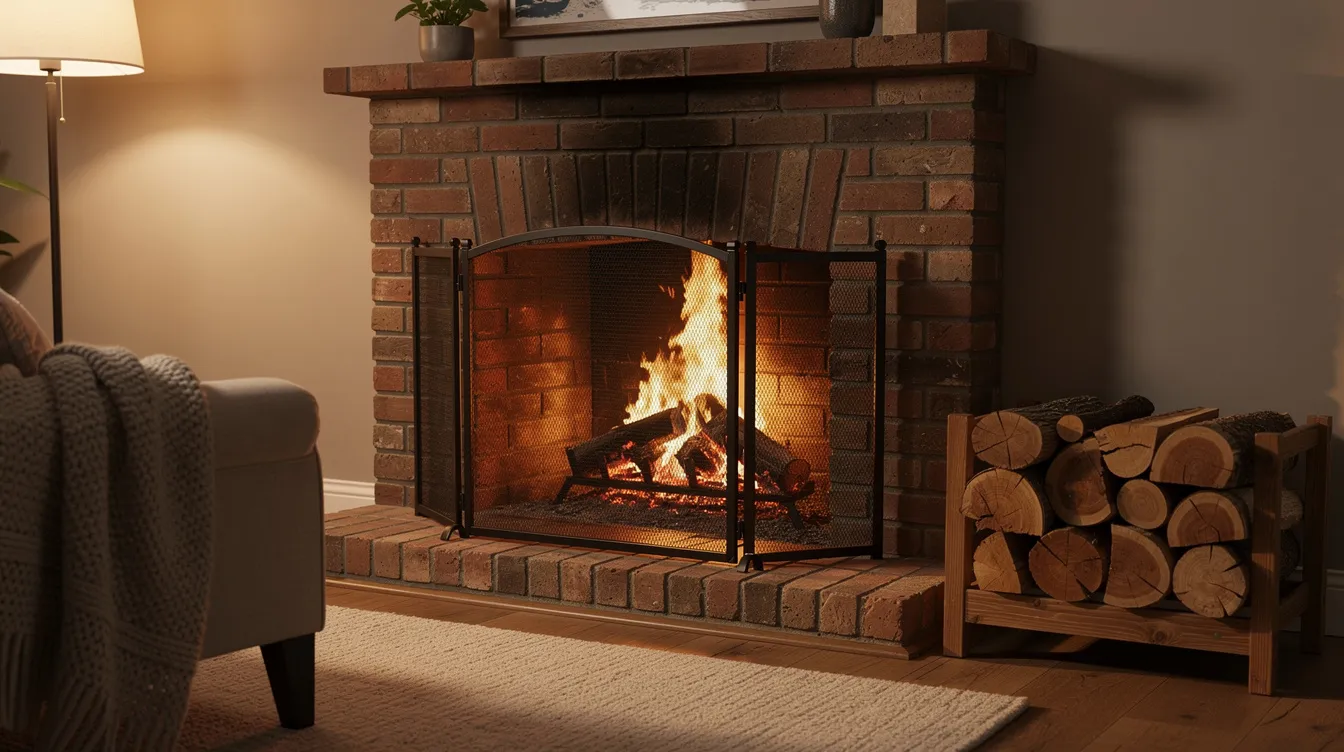
- Fireplaces must have a sturdy metal screen installed, or use heat-tempered glass doors, to stop sparks and rolling logs from escaping into the room.
- Never use flammable liquids to start or revive a fire. Avoid burning trash, cardboard, or Christmas wrapping paper.
- Dispose of ashes in a covered metal container stored away from the house – never on a wooden deck or in the yard near combustibles.
- Keep extension cords and space heaters away from anything that can burn to prevent overheating.
- Use only UL-listed devices for thawing frozen pipes near the fireplace area or basement.
Step 4: Prepare the Right Fuel and Tools Before You Light the Fire
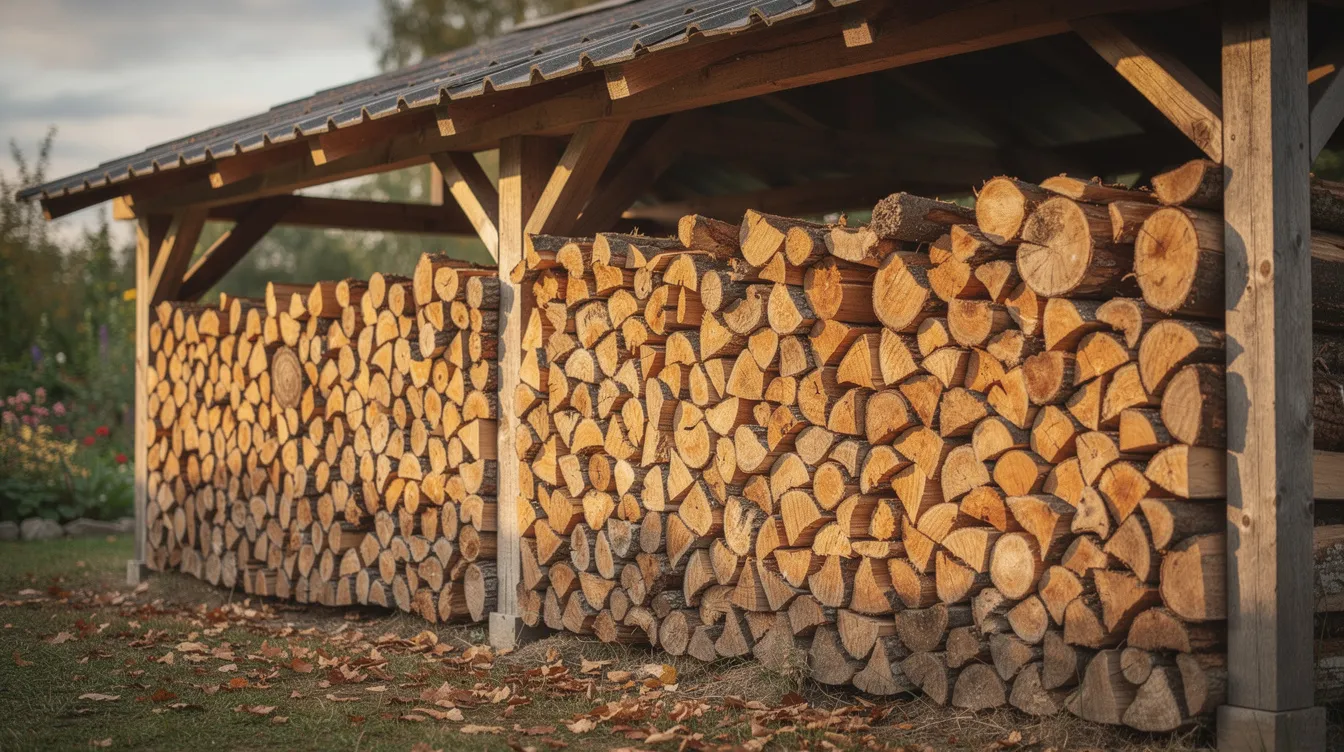
Safe fuel choices and proper tools are essential parts of any detailed fire safety checklist. Burn only dry seasoned hardwood – such as oak, maple, or birch dried for at least 6–12 months – to minimize creosote accumulation and excess smoke.
Never burn pressure-treated wood, paint-covered or stained lumber, plywood, or manufactured boards. These can release toxic fumes and damage the chimney. Use only approved fire starters and avoid flammable liquids like lighter fluid or gasoline that can ignite dangerously.
Keep a basic fireplace tool set (poker, tongs, shovel, broom) on the hearth where it is easy to reach but out of children’s hands. Stack logs loosely to allow airflow so flames burn hot and clean. Store only a small amount of wood on an indoor rack; keep the main woodpile outdoors in the yard, away from the house. Gas log sets or gas starters should be checked by a licensed technician for leaks, proper ignition, and ventilation before seasonal use.
Step 5: Build an Escape Plan and Practice Night-Time Fire Safety
Fire safety is not just about hardware. A family escape plan is a critical part of the home fire safety checklist. Share this plan with your family today and prepare everyone – including children – for what to do when the smoke alarm sounds.
- Create an escape plan with two ways out of each room where possible (a door plus a window or secondary door). Draw a simple floor plan so every escape route is clear.
- Agree on a meeting place outside your home after escaping – a front sidewalk, neighbor’s driveway, or specific tree.
- Practice your escape plan with your family once a month, including at night, so the whole family knows what to do.
- Check that windows on upper floors open easily and are not painted shut. Consider escape ladders for second-story bedrooms. If you need to break a window to escape, use a hard object and clear debris from the frame.
- Keep hallways, stairs, and exits clear of clutter so they can be used quickly.
- If smoke is present, crawl low under it to escape. Test doors for heat before opening during a fire.
- If clothes catch fire, stop, drop to the floor, and roll.
At night, never leave a fire burning unattended when going to bed. Let the fire burn down, spread out ashes, fully extinguish any remaining flames, and shut the fireplace screen or doors. Once everyone is out during a fire, no one re-enters the house – the fire department should handle the situation.
Step 6: Place and Maintain Fire Extinguishers Near the Fireplace
Portable fire extinguishers handle small, contained fires and are a key companion to your fireplace safety checklist. Half of all domestic fires start in the kitchen – from cooking, grease, or an unattended oven – so coverage beyond the fireplace room matters. Also worth noting: 6,000 domestic fires a year are caused by faulty electrics, making extinguisher access throughout the house responsible planning.
- Keep a multi-purpose ABC-rated fire extinguisher mounted on a nearby wall, in the same room as the fireplace but not so close that heat makes it unreachable.
- Place additional extinguishers in the kitchen, the garage, and on each level near exit doors as part of a comprehensive home fire safety checklist.
- Check the pressure gauge monthly – confirm the needle is in the green zone and look for signs of rust, leaks, or broken seals.
- Replace or professionally service any extinguisher that is expired, damaged, or has been used even partially.
Remember the PASS method: Pull the pin, Aim at the base of the fire, Squeeze the handle, Sweep side to side. Post a small instruction card near the extinguisher. If a fire is larger than a small wastebasket, spreading quickly, or producing heavy smoke, evacuate immediately and call the fire department – safely from outside.
Step 7: Connect Fireplace Safety to Your Home Insurance Policy
Every step on this checklist ties back to how insurers evaluate fireplace-related risk and claims. Review your current home insurance declarations page to confirm that wood-burning fireplaces, gas inserts, or wood stoves are disclosed. Notify your insurance provider about any wood-burning or gas appliance installations – adding or converting a fireplace may require updating coverage limits.
Ask your insurance representative whether annual chimney inspections or proof of professional installation are recommended or required. Regular inspections can help reduce risk and influence insurance premiums. Document all major safety upgrades – new smoke alarms, a fire-rated door, a professionally relined chimney – with dated photos and invoices.
If a fireplace-related incident does happen (smoke damage, chimney fire, cracked flue):
- Get everyone out safely
- Call the fire department
- Contact your insurer’s claims line once the emergency is under control
Prevention is almost always less expensive than paying a deductible and dealing with repairs, temporary housing, and warm-weather renovations after a large fire loss. A completed safety checklist, stored alongside your policy documents, shows you acted as a responsible homeowner well before anything went wrong.

Frequently Asked Questions
How often should I have my chimney professionally inspected and cleaned?
Most fire safety and insurance experts recommend at least one professional inspection per year, ideally before the main heating season, even if you only used the fireplace a few times the previous winter. Heavy users burning several nights a week may need more frequent cleaning, while light users still need an annual inspection to catch animal nests, storm damage, or liner cracks that can happen between seasons.
Do I really need both smoke alarms and carbon monoxide alarms near my fireplace?
Yes. Smoke and carbon monoxide are different hazards. Smoke alarms detect visible or invisible particles from burning materials, while CO alarms detect a colorless, odorless gas produced by incomplete combustion – such as from a blocked flue or faulty damper. Many building codes and modern fire safety guidelines call for both types of detectors near sleeping areas and on every level of the home.
Is it safe to go to bed while the fireplace is still burning?
No. A wood-burning fireplace with active flames or large embers should never be left unattended when everyone goes to bed or leaves the house. Let the fire burn down, spread the embers, confirm the fire is fully out, and close screens or doors before sleeping. Unattended fires are a major cause of home losses.
What kind of wood is safest to burn in a residential fireplace?
Seasoned hardwoods such as oak, maple, ash, or birch that have been air-dried for at least 6–12 months burn hotter, cleaner, and with less creosote. Never burn construction scraps that may be treated or covered in paint, softwoods full of sap that cause heavy creosote, or household trash that can release toxic fumes and damage the chimney.
Will using my fireplace affect my home insurance premium?
Some insurers consider wood-burning fireplaces and stoves higher risk than gas or electric heating and may factor this into pricing, especially if multiple solid-fuel appliances are in the house. Talk with your insurer before installing or heavily using a fireplace. Following a documented safety checklist, maintaining alarms, and keeping inspection records can demonstrate responsible fire safety practices – which may help keep premiums from climbing.